Fears of Military Escalation's Impact on Yemeni Rial and Moves to Stabilize Exchange Rates
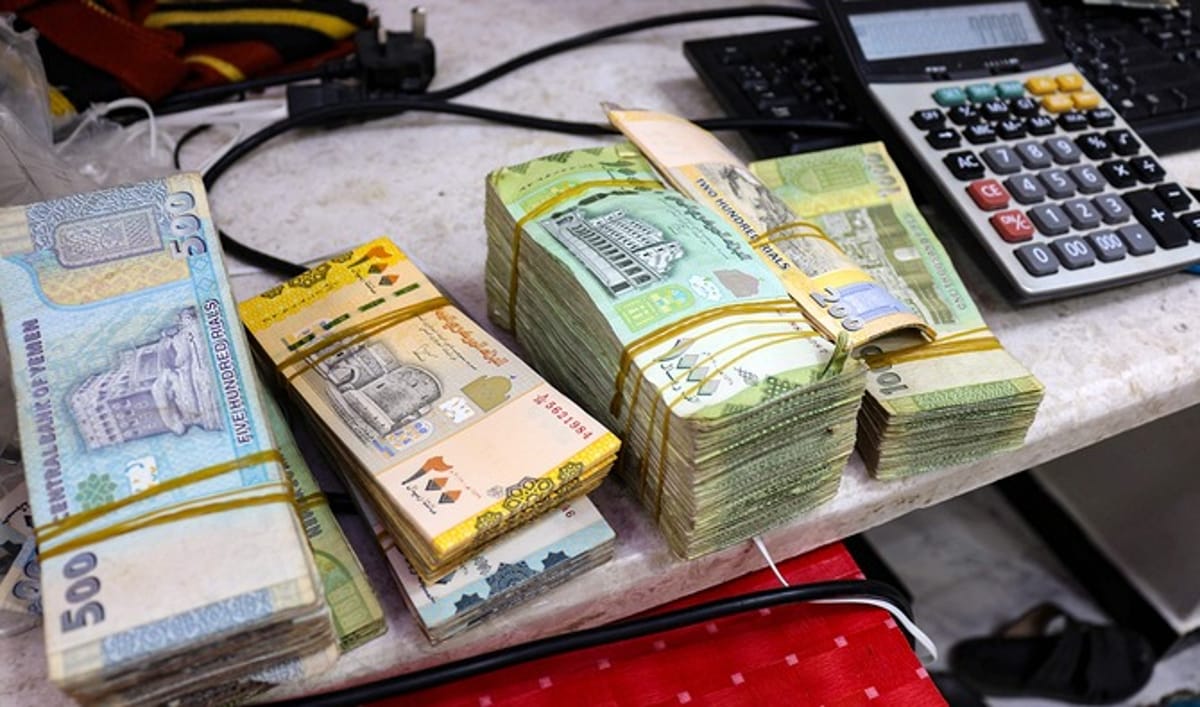
Fears are growing in Yemen over the impact of the recent military escalation in the country on the value of the Yemeni rial, which has maintained its stability for about a year and several months.
These fears coincide with escalating confrontations between government forces and the Houthis on several fronts, particularly in the governorates of Taiz and Lahj.
Yemen is suffering from one of the world's worst humanitarian and economic crises due to the repercussions of the ongoing war between government forces and the Houthis for nearly 12 years.
Government Action in Taiz
In the context of government actions, the First Undersecretary of Taiz Governorate, Dr. Abdulqawi Al-Mikhlafi, chaired an expanded meeting on Wednesday at the Central Bank of Yemen's branch in the governorate to discuss the banking situation and assess compliance with regulations and controls governing banking operations.
The meeting, attended by the Central Bank branch manager Ammar Yasser, Director of the Industry and Trade Office Abdulrahman Al-Qulaie'a, Deputy Director-General of Police Brigadier General Anis Al-Shamiri, Deputy Head of the State Security Apparatus Colonel Mohammed Al-Mahmoudi, Central Bank branch advisor Moath Al-Burkani, and the bank's Director of Supervision, listened to reports from the Supervision Department on Banks and Exchange Houses regarding the general progress of banking activity in Taiz.
Al-Mikhlafi affirmed during the meeting that Taiz governorate will remain a model of compliance with laws and regulations.
Al-Mikhlafi stressed that the current stage requires the integration of efforts from various executive and security agencies to ensure the stability of the banking sector and protect the public interest.
Al-Mikhlafi also emphasized the need for strict adherence to the directives of the Central Bank of Yemen and commitment to the specified exchange rate, confirming that strict legal measures will be taken against any violations in accordance with applicable regulations.
Supplying Liquidity to the Central Bank
As part of the measures taken and based on the directives of the Governor of the Central Bank of Yemen, the meeting approved directing banks operating in the governorate to supply their available cash liquidity to the Central Bank branch, in coordination with the relevant sector.
Subsequently, the First Undersecretary of the governorate, accompanied by the manager of the Central Bank branch and the Director-General of Public Relations in the governorate, conducted inspection visits to Al-Kuraimi and Al-Qutaibi banks. During these visits, they reviewed the liquidity situation and banking operations, and directed that the issues raised be addressed to ensure the continuity of banking activities and the provision of services to citizens normally.
The meeting also approved the continuation of deposit and withdrawal operations in all banks and exchange houses according to approved controls and instructions, while intensifying field supervision and monitoring campaigns, and taking action against any entity found to be in violation of the Central Bank's instructions.
Repeated Experiences of Currency Depreciation
These fears come amidst a history of repeated depreciation of the Yemeni currency since the war began, when the dollar was priced at about 215 Yemeni rials in 2015.
Yemen has been experiencing a significant monetary divide for years between government-controlled and Houthi-controlled areas.
The dollar is priced at about 1,560 rials in government-controlled areas, compared to about 535 rials in Houthi-controlled areas.
Yemenis fear a significant decline in the currency's value, especially since the rial has experienced repeated drops with the outbreak of conflicts, military escalations, and political crises, with the dollar rate reaching nearly 3,000 rials in government-controlled areas at times.
Despite the improvement in the Yemeni rial's value since June 2025, citizens still complain of a noticeable rise in the prices of various goods, which limits the impact of this improvement on their purchasing power.
المصدر: Al-Mahriah Net