Mocha After Houthi Takeover: Old Currency and New Curriculum Imposed Amid Great Human Suffering
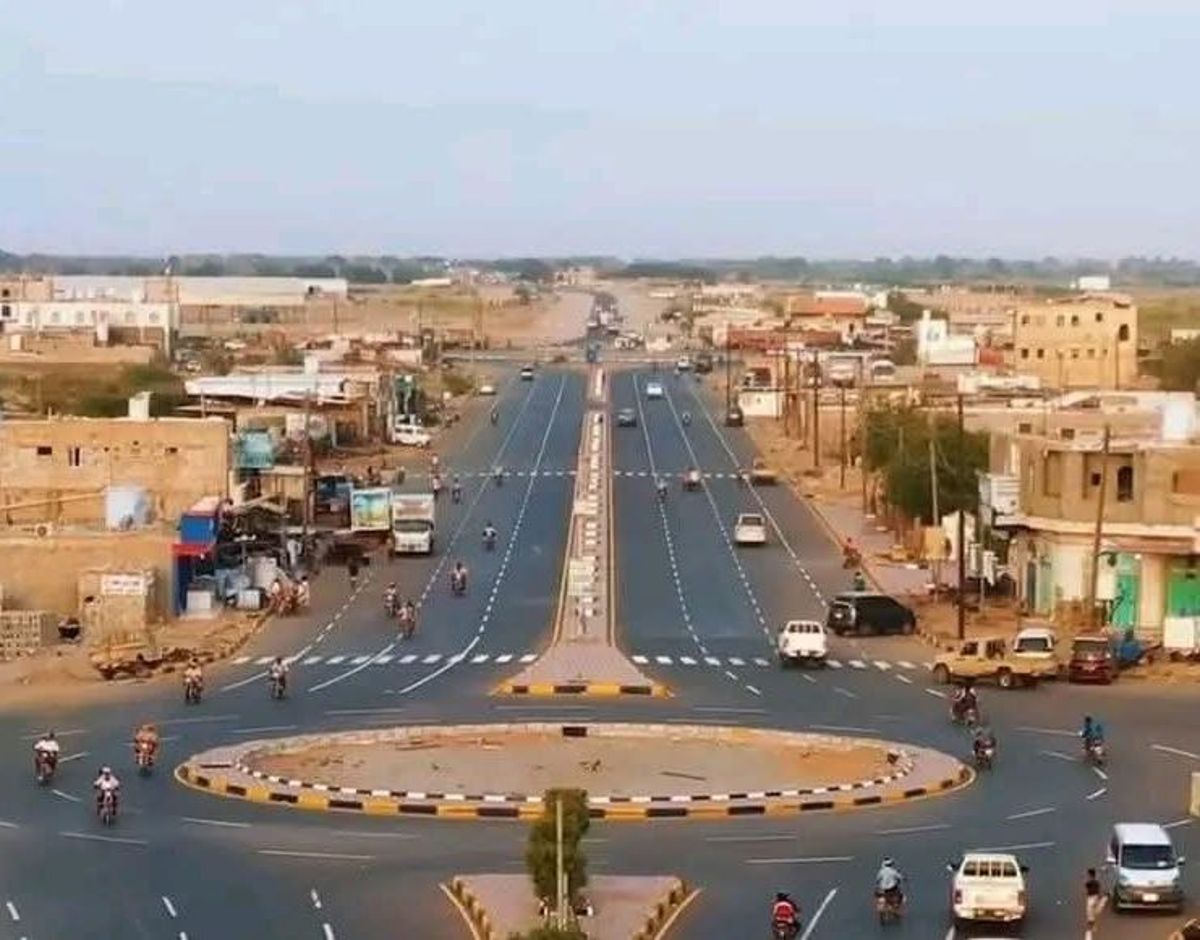
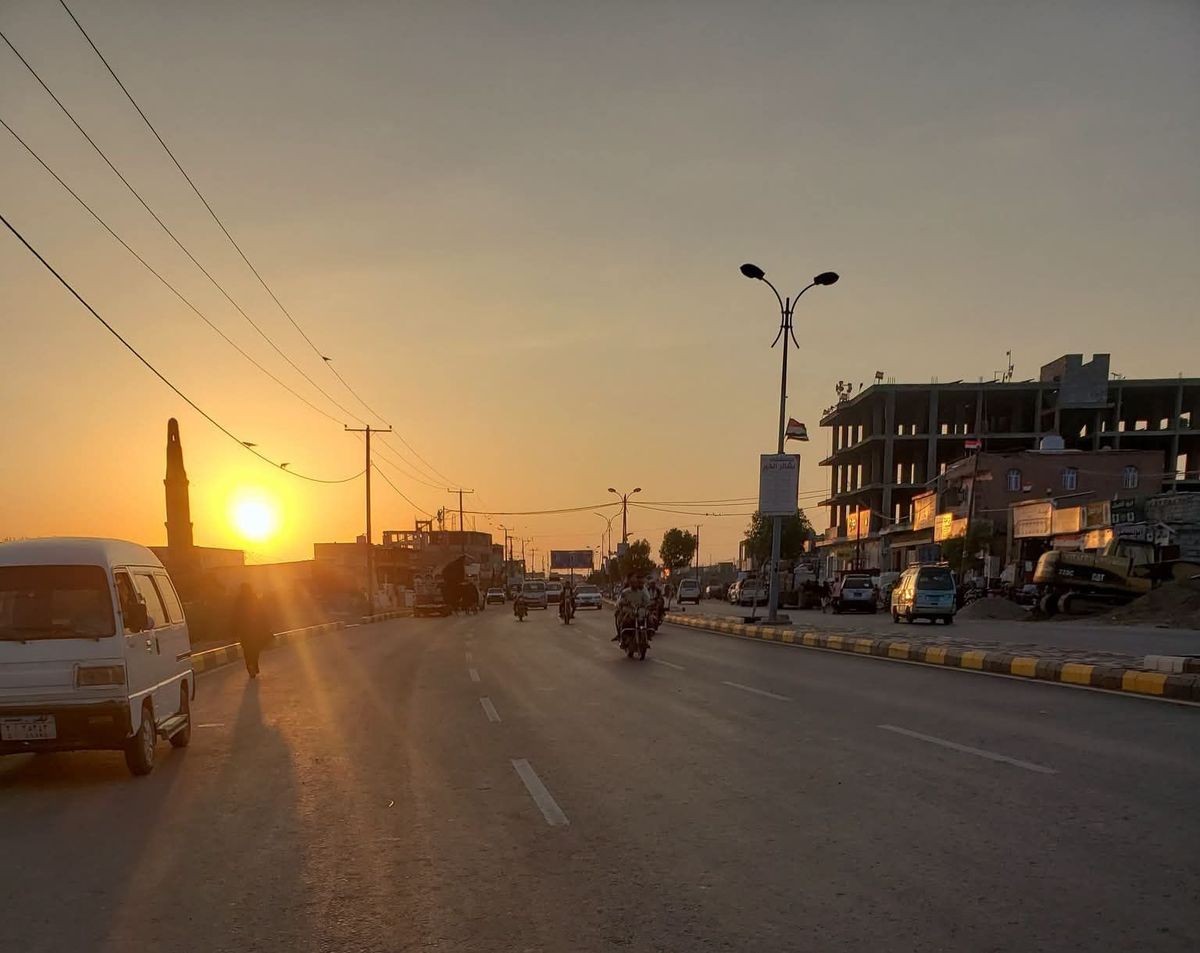
The humanitarian situation in the city of Mocha on the West Coast is deteriorating significantly following its takeover by the Houthi group. The city's neighborhoods have transformed into an environment filled with anxiety and apprehension due to the new laws imposed by the group on the local population.
After the National Resistance forces left their headquarters and the homes of their leaders located in residential neighborhoods, the group quickly positioned itself in them, turning them into barracks and its own headquarters. This has turned some residential areas into direct targets for airstrikes, dealing a severe blow to the tranquility of the residents and increasing terror and panic among children and women.
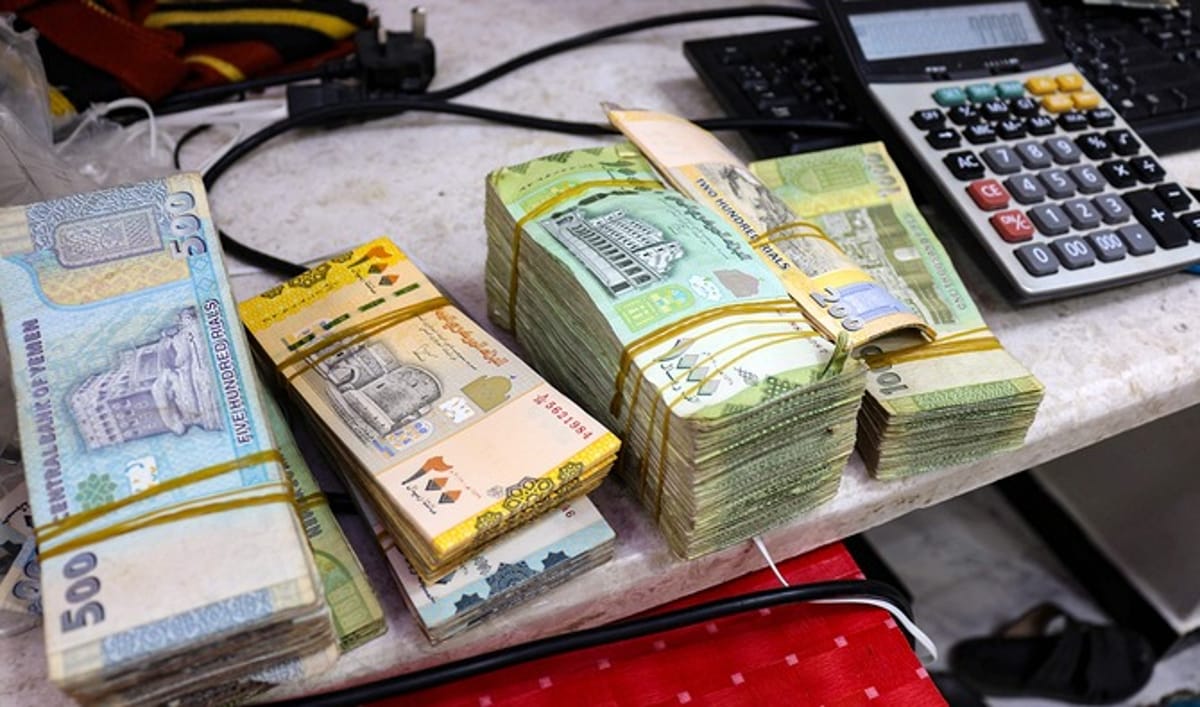
In addition, citizens are facing a growing livelihood and economic crisis imposed by the group's coercive measures. Exchange companies and some shops have been forced to ban transactions with the new currency and replace it with the old one, causing confusion in daily transactions, paralyzing purchasing activities, and depriving residents of the financial and service stability they had grown accustomed to in recent years.
On the service and educational front, a state of setback has emerged in vital sectors. After the people of Mocha benefited from free educational services, education is now disrupted and accompanied by decisions to impose fees on public schools, reaching up to 7,000 riyals in the old currency, equivalent to 50 Saudi riyals, per student. This is alongside efforts to modify the curriculum, which has raised concerns among parents and led many to seriously consider preventing their children from attending school.
Between the weight of psychological pressure and the loss of a sense of security, hundreds of families in Mocha find themselves trapped between two bitter choices. Displacement tempts everyone in search of a safe haven, yet fears of their homes and property being looted keep many of them in their houses despite the tragedy.
A City Under Fear
In this regard, a resident of Mocha, "Abu Muhammad" (40 years old, a father of five, who preferred not to give his name for security reasons), recounts what the residents are experiencing: "Since the Houthis took control of the city, our lives have been shackled by fear and instability. From the first day, we were surprised by the storming and searching of several homes and headquarters belonging to the National Resistance located in residential neighborhoods, turning them into headquarters and bases for the group's members."
He explained in a statement to "Al-Mahariya Net": "We have become besieged in our homes, unable to go out to get what our families need. We are forced to stay at home, and we are afraid to leave because we hear that they are taking heads of households for detention."
Currency Deepens the Crisis
He added: "Our local currency that we used to deal with is now rejected, and we do not have cash liquidity in the old currency. It never occurred to us that we would reach this stage of siege in various aspects of our lives."
He pointed out that the new authorities imposed a ban on dealing with the new currency in exchange companies and transfer offices, which coincided with intense pressure on commercial shops to adopt the old currency as the sole primary option.
He added: "Basic services are scarcely available, with frequent water cuts in some neighborhoods. As for hospitals, not many go there. But what breaks our hearts when comparing the current situation with the past is that we used to receive complete medical care, from examination and tests to treatment. Today, even if there are sick people among us, we are afraid to take them out of their homes lest we lose them completely."
He noted that schools are still closed despite directives to resume classes, but the educational process has undergone radical changes. The group's own curriculum has been imposed, and mandatory registration fees ranging from 5,000 to 7,000 riyals in the old currency per student have been introduced in public schools, whereas our children used to receive all supplies, including uniforms, bags, daily breakfast meals, and school supplies, for free.
He continued: "Today, anxiety and terror prevail among parents, and many families are leaning towards preventing their children from going to school to ensure their safety amid these tragic circumstances."
He continued with regret: "The option of displacement strongly tempts us, and several families have fled to other cities. However, we hesitate to leave our homes for fear of them being looted, plundered, and seized."
A Tragic Situation
In this context, journalist Wadi' Atta said that the humanitarian situation on the Tihami coast has been deteriorating very significantly since August. There were clashes at the rural level in the north, east, and south of the Hays district, especially in the Dhubab mountains, resulting in a wave of displacement to the Hays district and some to the Al-Khokha district.
Atta continued in a statement to "Al-Mahariya Net" that "events accelerated and the fronts collapsed, and people fled in a large, unfortunate, and unprecedented displacement; thousands upon thousands; some left on foot, some clung to military vehicles, some in cars, and some on motorcycles."
Imposing a New Reality
For her part, Umm Shahd recounts the moments of her and her family's departure from Mocha, saying: "The situation was extremely tragic. We couldn't stay amidst the clashes and after hearing that the resistance forces had left the city, so we decided to leave too."
She added in a statement to "Al-Mahariya Net": "We have a car, we loaded what we could into it and left, but the road we took was filled with displaced people. People were carrying their children on their backs and walking, not knowing where they were heading in that gloomy night."
She added: "We reached Aden, but we couldn't contact the rest of our relatives who were unable to leave Mocha, especially those living in the residential city."
She pointed out that in the residential city, all men and young men were taken away on the pretext that they were soldiers belonging to the National Resistance, which instilled fear in the hearts of the remaining families in Mocha, forcing many to stay in their homes and not leave."
She continued: "My family there told me that on the second day of the takeover, the Houthis began monitoring electricity meters and demanding payment of bills; and a few days ago, they started demanding Zakat payments from citizens."
المصدر: Al-Mahariya Net