Is Saudi Arabia Restructuring the West Coast Forces After the National Resistance's Setback?
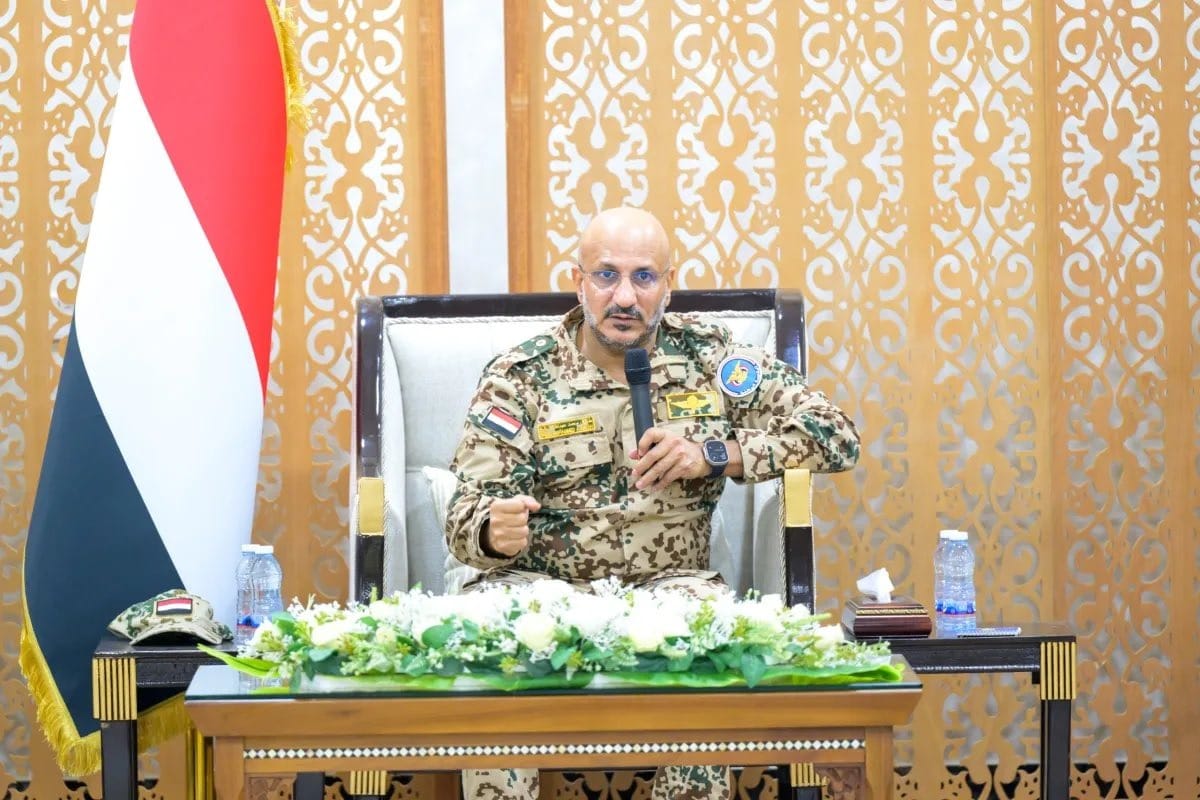
The decision by Presidential Leadership Council member and National Resistance leader, Tariq Saleh, to form the 'Tihami Resistance Force' as a financially, administratively, and operationally independent force, has raised broad questions about the future of military formations on the West Coast, and whether the decision is part of a rearrangement of forces after recent field developments, or if it reflects a Saudi tendency to rebuild a local force directly linked to the Arab Coalition.
On September 13, 2026, Tariq Saleh issued Decree No. (188) to separate the 'Tihami Resistance' from the National Resistance, granting it financial, administrative, and operational independence, with a direct link to the Arab Coalition's joint operations. The decree also appointed Zayid Mansar as its commander-in-chief and promoted him to the rank of major general, according to the circulated decision.
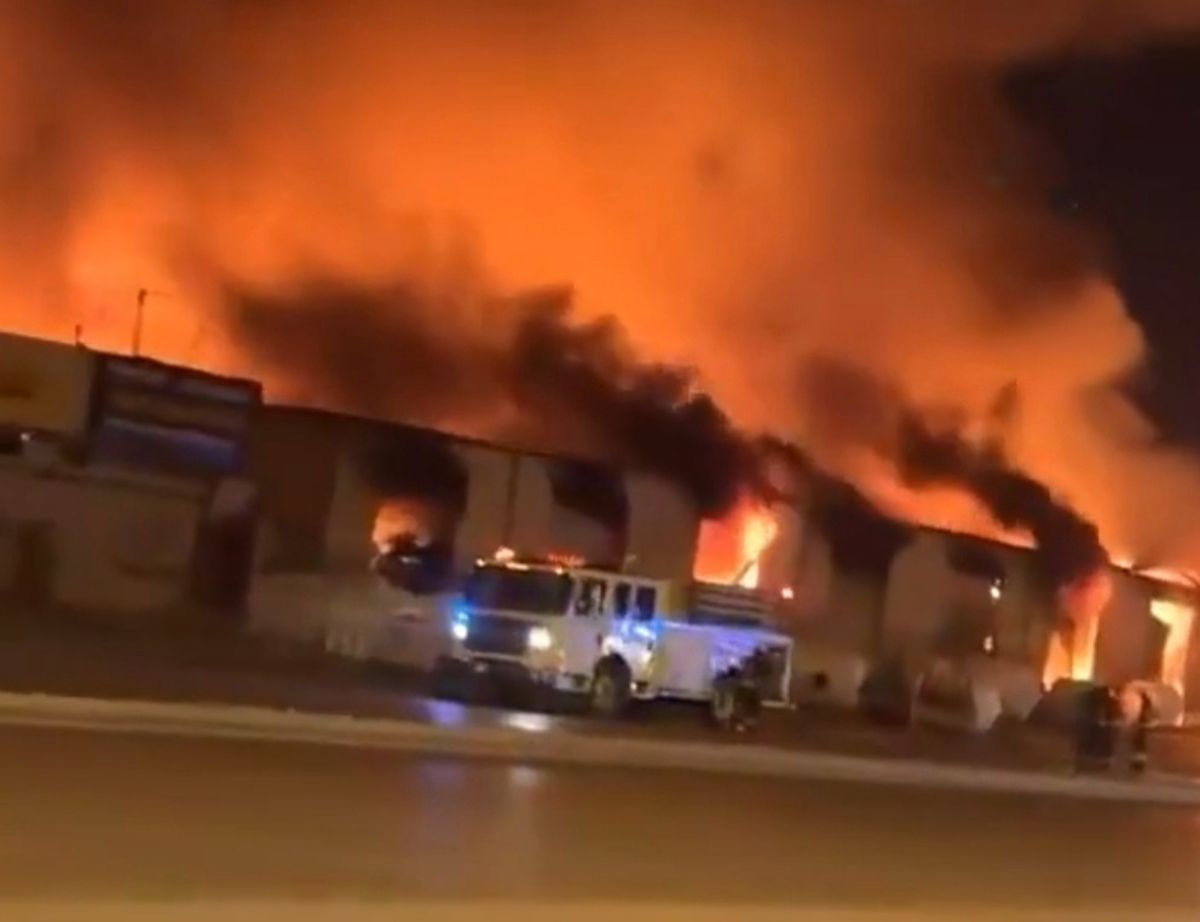
The announcement comes at a time when the West Coast and Taiz governorate fronts are witnessing rapid military movements, coinciding with the redeployment of several government and pro-government forces following recent military developments and setbacks in the coastal areas.
Rearrangement or Response to the Setback?
The decision opens the door to two main possibilities; the first is that the move is part of a comprehensive rearrangement of forces in the West Coast and Hodeidah, aimed at addressing the imbalances that emerged during recent battles and redistributing roles and leadership.
The second possibility is that the move is linked to a Saudi desire to reshape the local military force on the coast, in a way that gives the Coalition a direct role in managing these forces, similar to other military models that have been more closely associated with Saudi support and supervision, including the 'Nation Shield Forces'.
This possibility gains special importance amid talks of the declining influence of the National Resistance forces on the West Coast, forces whose establishment and support over the past years have been closely linked to the Emirati role. This opens the door to interpreting the decision as part of a redistribution of influence within the anti-Houthi camp, rather than just an internal organizational measure.
A Local Force with Tihami Leadership
According to the decision, the new force will be formed from the first and second divisions that were part of the National Resistance formations, and it will have financial, administrative, and operational independence.
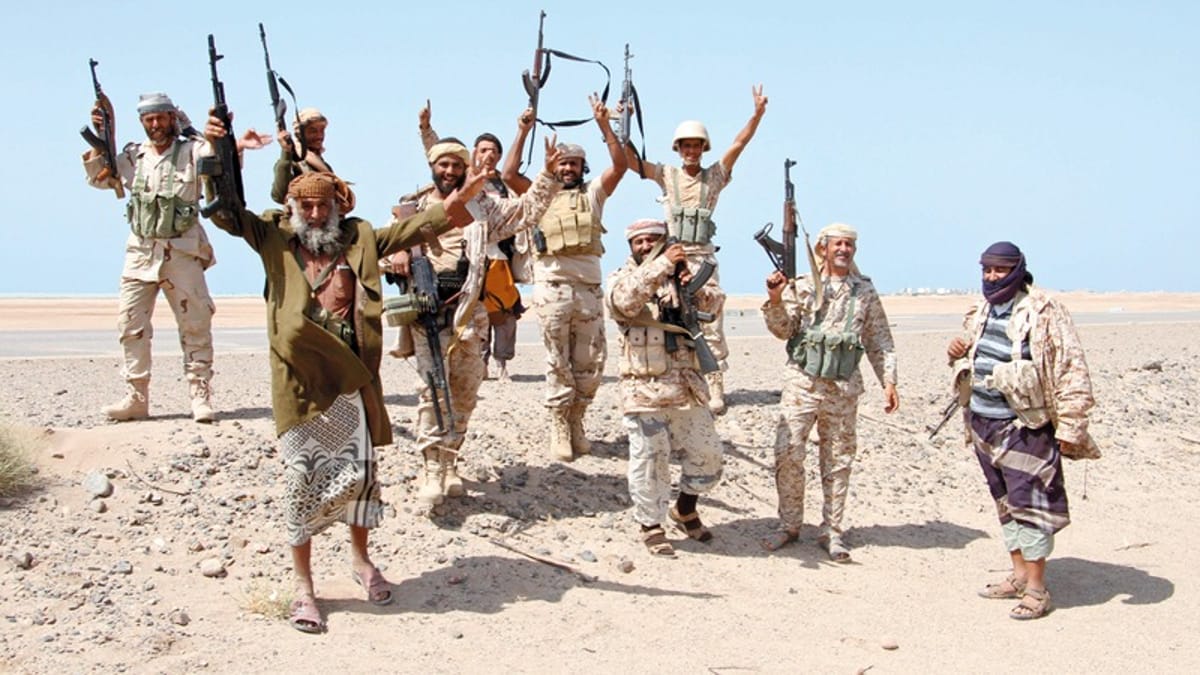
The roots of the Tihami Resistance go back to local formations that emerged after the Houthis seized large areas of Hodeidah governorate and the West Coast. It included fighters from the people of Tihama before being incorporated into the National Resistance formations in recent years.
The new force is led by Major General Zayid Mansar, who is from Hodeidah governorate and belongs to the Zaranik tribe. He is considered one of the military figures associated with the Tihami Resistance from its early days and has previously held command positions within the forces deployed on the West Coast.
The force, according to available information, includes a number of Tihami brigades and formations, including the Zaranik Brigades and the Tihama Brigades, in addition to other formations that were linked to the National Resistance.
From the Coast to Repositioning
The forces of the National Resistance were deployed in several strategic areas on the West Coast, including Al-Khawkha and areas adjacent to Al-Jarahi, before undergoing a new deployment following recent military developments.
Available information indicates that some of these forces have repositioned in areas between the Taiz and Lahij governorates, as part of a reorganization and equipping process, amid talk of a role for the Arab Coalition in rearranging and arming the forces.
This coincides with the military developments on the West Coast, which have revived old questions about the multiplicity of military decision-making centers within the anti-Houthi forces, and the extent of these formations' ability to operate under a unified military command.
An Interpretation Pointing to a Direct Saudi Role
Writer and political analyst Hassan Al-Fadhli considered the decision a long-awaited important step. He said that separating the Tihami Resistance brigades from Tariq Saleh's financial and administrative management and linking them directly to the Coalition's joint operations represents, in his view, a correction of the battle's course and a realignment of ranks.
Al-Fadhli went further, considering that the decision reflects Saudi pressure on Tariq Saleh to separate the Tihami Resistance from his administration and link it directly to the Coalition's operations command.
Al-Fadhli also linked the move to recent developments on the West Coast, believing that Saudi Arabia is seeking to address the consequences of the military setback suffered by Tariq Saleh's forces and to rebuild the military force in the region on new foundations.
On the other hand, the decision to form the new force drew criticism from journalists and writers who argued that creating a financially, administratively, and operationally independent military formation could entrench the multiplicity of forces within the anti-Houthi camp.
Journalist Kamal Al-Salami considered that the decision might have been understandable in previous circumstances, but it comes at a sensitive time after the setback on the West Coast. He emphasized that what is required, in his view, is to reduce the multiplicity of military formations and centralize decision-making under the command of the Commander-in-Chief of the Armed Forces.
He added that talk of financial, administrative, and operational independence raises questions about the new force's relationship with the Ministry of Defense and the legitimate government, warning that the continuation of military formations outside a unified military command could perpetuate the causes of weakness.
Al-Salami also believed that the priority should have been to form a committee to investigate the circumstances of the recent military developments and hold those responsible for the failures accountable, in addition to determining the fate of the National Resistance as a large military formation that suffered a field setback.
For his part, journalist Jahzar considered the formation of the Tihami Resistance to be, in his reading, an acknowledgment of a flaw in the structure of the previous forces and the need to reconsider the way the battle and military leadership are managed.
He believed that the fall of positions on the West Coast in this manner calls for a comprehensive review of military performance, instead of merely redistributing forces and changing their deployment locations.
For his part, writer Abdulqader Al-Junaid believed the decision raises questions about what he described as the 'chaos of the Yemeni house,' considering that forming a military force independent of the Ministry of Defense poses a problem related to the centralization of military decisions and national sovereignty.
Al-Junaid said that such decisions are supposed to be within the powers of the Supreme Command of the Armed Forces, considering the multiplicity of military formations to be one of the manifestations of the crisis of Yemeni legitimacy and the vacuum of power and authority.
At the same time, Al-Junaid suggested that the issuance of the decision at this time reflects, in his view, continued direct Saudi interest in the Yemeni file, believing that Riyadh is trying to address the repercussions of the setback suffered by Tariq Saleh's forces on the West Coast.
He pointed out that the positive aspect of the move, according to his reading, is that Saudi Arabia still has the desire and ability to take initiative in the Yemeni file, and that the rearrangement of forces may be an attempt to regain the military initiative in the areas lost by the government camp.
In conclusion, the formation of the 'Tihami Resistance' could be the beginning of a new phase of restructuring forces on the West Coast, especially if accompanied by re-armament and widespread deployment of the new force. However, if the decision remains limited to separating one military formation from another without addressing the leadership crisis and the multiplicity of decision-making centers, it may not be more than a redistribution of power within the existing military landscape.
المصدر: Al-Mahriah Net