WFP: 71% of Yemeni Families Unable to Secure Food
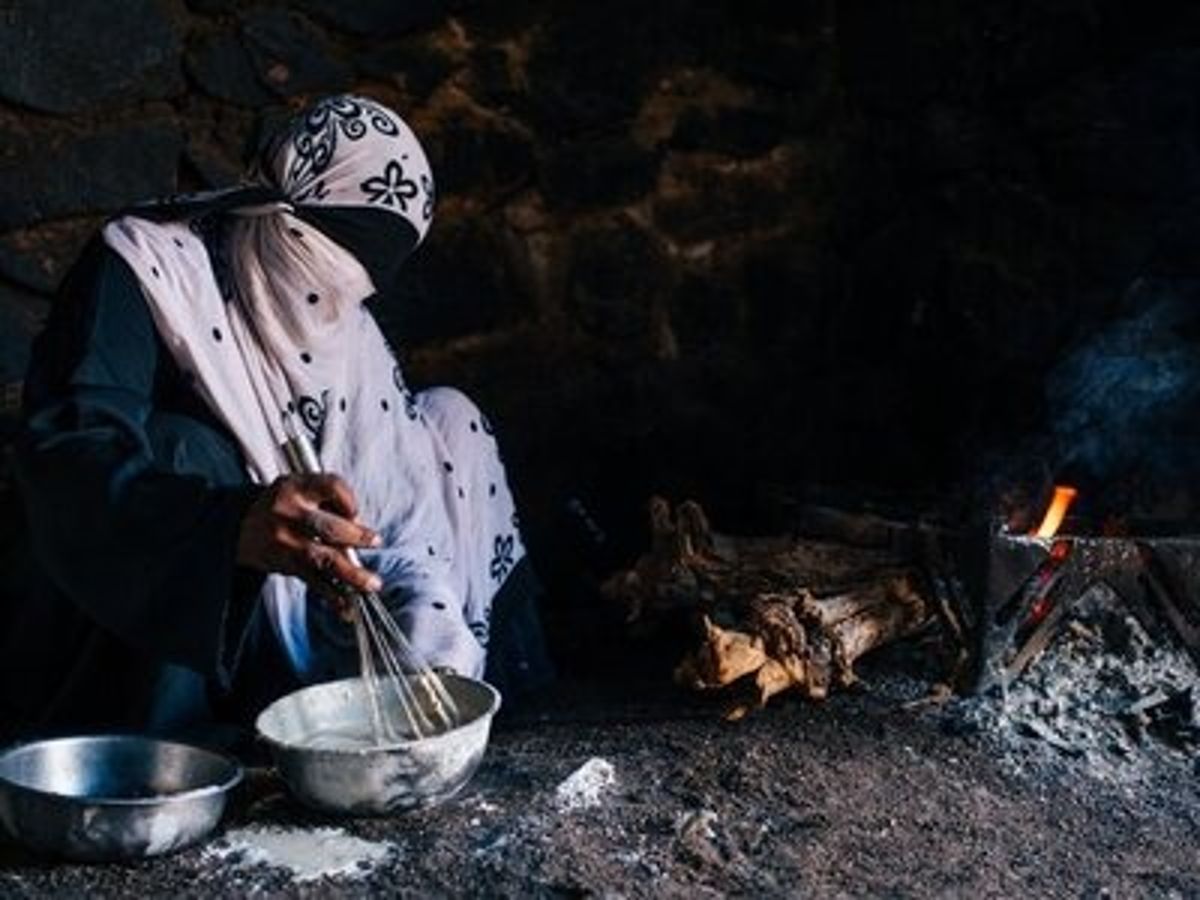
The World Food Programme has warned of a worsening food insecurity crisis in areas under the control of the Yemeni government, amid deteriorating living conditions and rising food prices, revealing that 71% of families were unable to meet their food needs last September.
A recent report by the programme showed that Taiz governorate recorded the highest rate of moderate and severe hunger at 23%, while several areas are witnessing a significant decline in food consumption levels amid continued economic pressures and food supply disruptions.
The report indicated that the West Coast districts, including Mocha and Hays, recorded some of the largest increases in rates of inadequate food consumption, while the Dhubab area, located near Bab al-Mandab, saw a significant rise in families resorting to emergency livelihood measures to secure their basic needs.
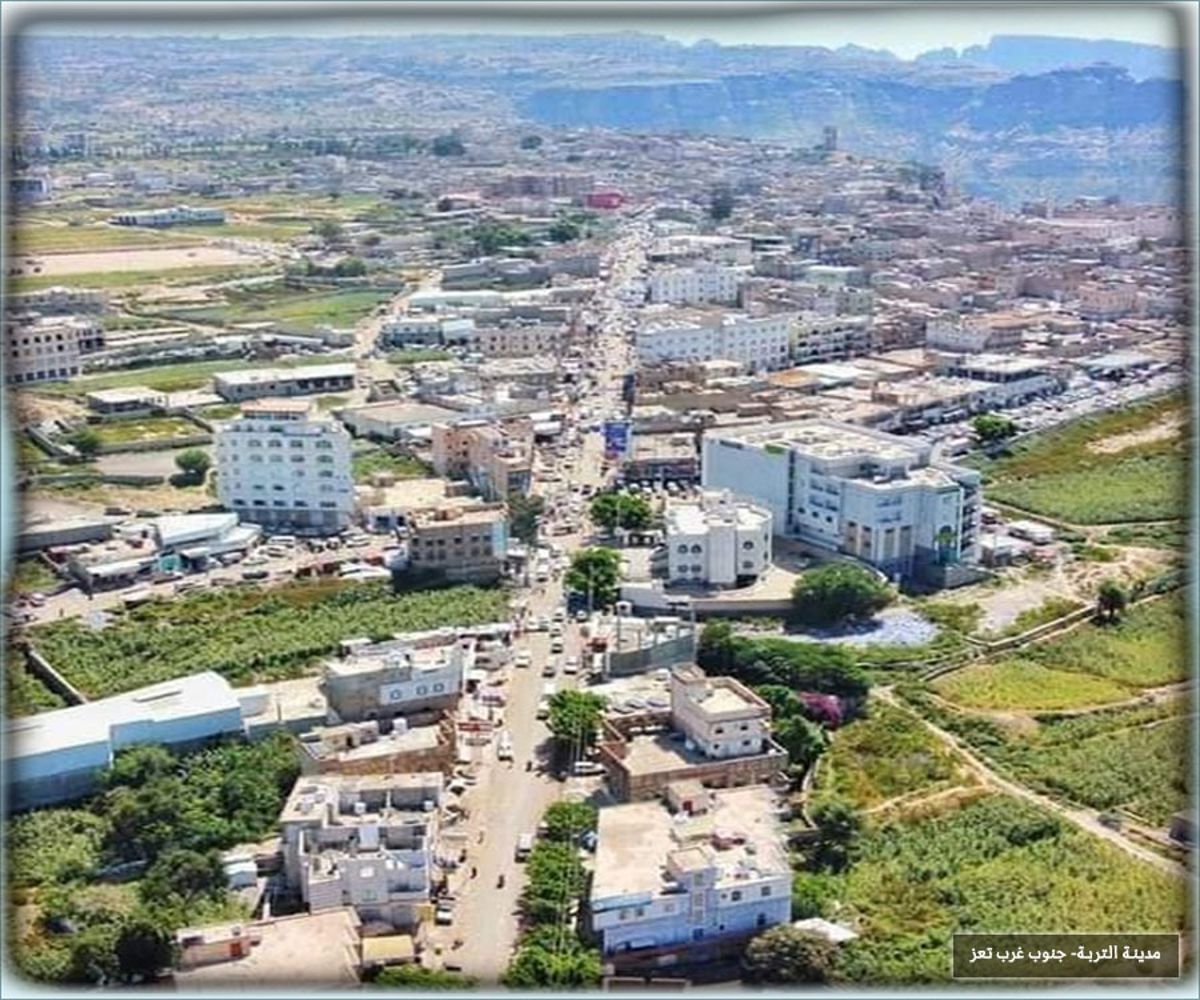
In Taiz governorate, which has been under siege by the Houthi militia since 2015, the rate of poor food consumption rose from 29% to 36% within one year, according to the report.
The report cited traders' statements about depleted wheat stocks, while others have resorted to restricting the sale of flour and rice to a maximum of 25 kilograms per family, amid rising prices and supply disruptions, exacerbating the difficulty for residents to obtain basic food items.
The data also showed that 38% of families in government-controlled areas had to reduce adults' food consumption to feed children, while 75% of long-term displaced families were unable to meet their minimum food needs.
These indicators reflect the extent of the pressure faced by Yemeni families, with declining income sources and eroding purchasing power, driving more families to adopt harsh coping strategies to deal with food shortages.
These developments come as the suffering of the residents of Taiz city increases due to the Houthi group tightening its siege and cutting off the main roads leading to the city, which exacerbates its isolation and obstructs the flow of food goods and humanitarian aid.
The continued restrictions on transportation and supplies raise concerns about the worsening of the food crisis in Taiz and its surrounding areas, especially with the declining ability of families to secure their basic needs, and the possibility of hunger levels rising to rates more severe than those documented in UN reports.
Yemen is considered one of the countries most affected by food crises in the world, amid the ongoing conflict, economic deterioration, and widening displacement, in addition to declining humanitarian funding—factors that increase the vulnerability of millions and threaten to worsen the humanitarian situation in the coming period.
المصدر: Al-Mahriah Net + Open Sources