Yemen at a Dangerous Humanitarian Crossroads... Fighting Exacerbates Displacement and Drains the Health Sector
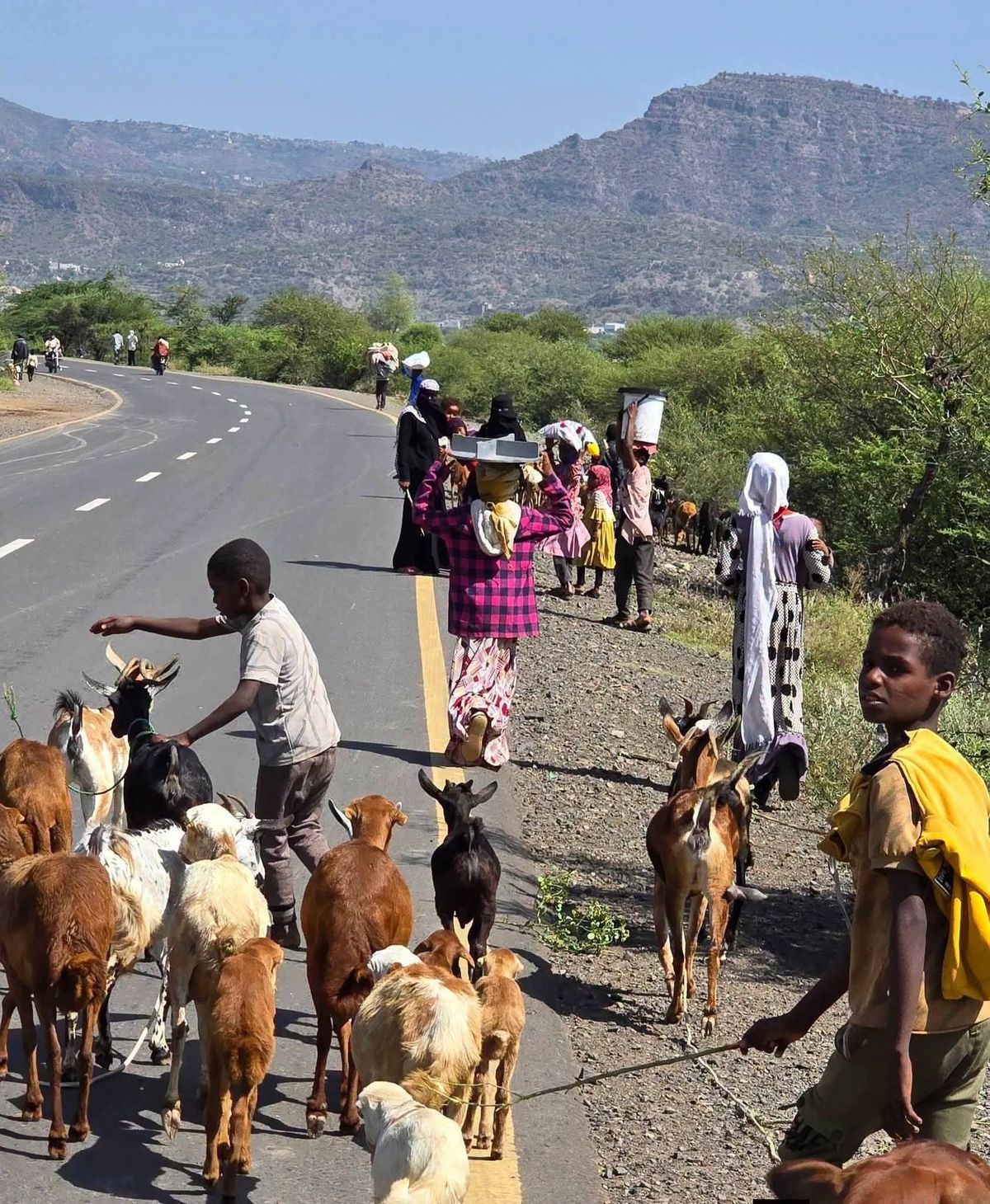
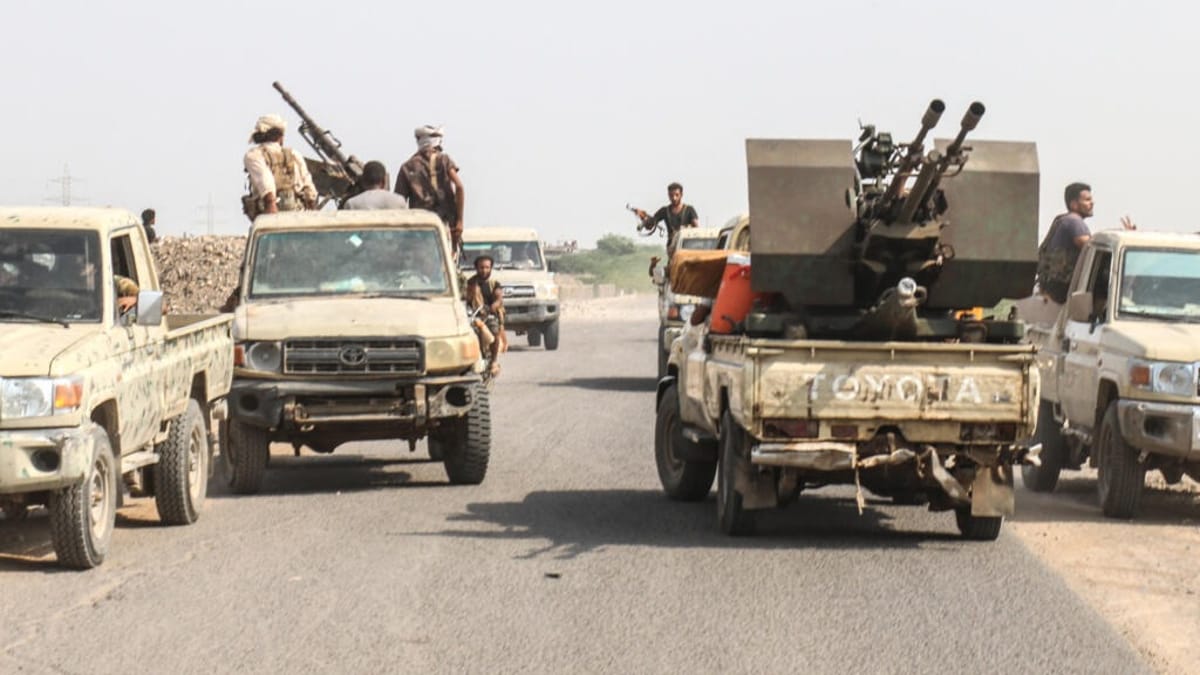
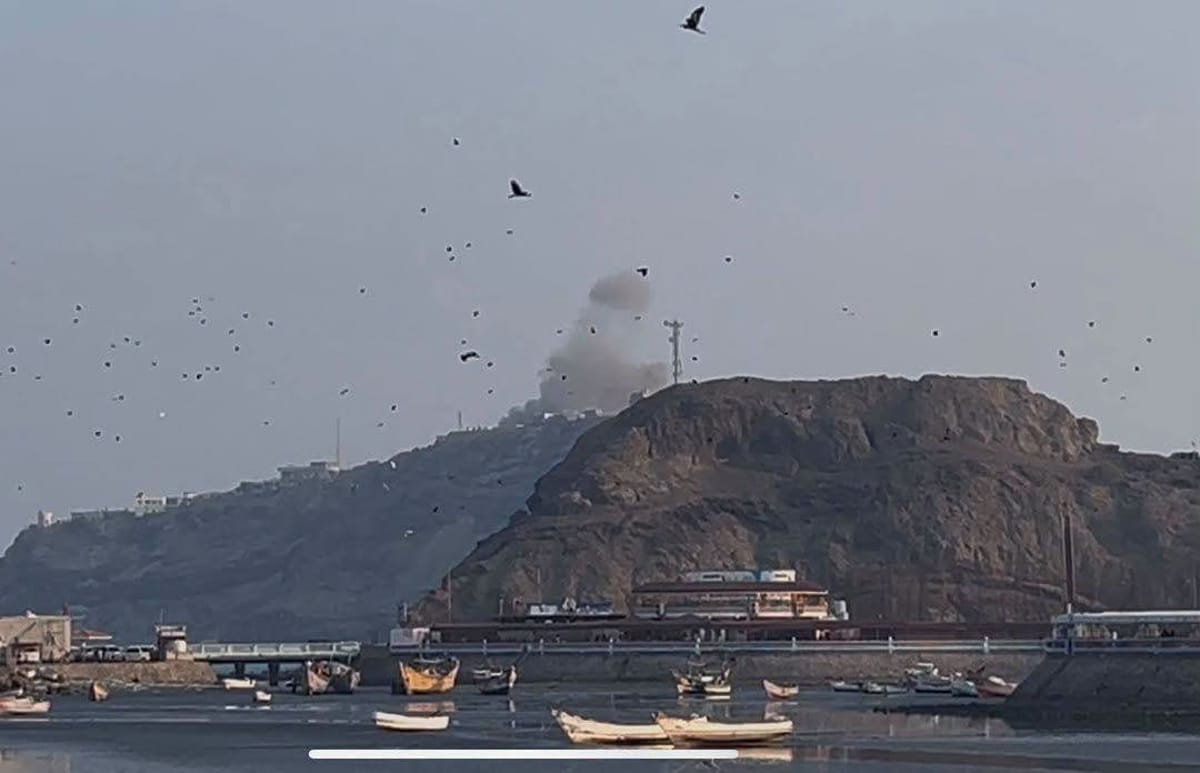
International warnings are mounting about the deteriorating humanitarian situation in Yemen, coinciding with an escalation of military operations in several regions, particularly in the west of the country. This has been accompanied by a rise in the number of dead, wounded, and displaced people, and a decline in the health sector's capacity to respond to the growing needs.
The Euro-Mediterranean Human Rights Monitor warned that the accelerating military escalation threatens a total humanitarian collapse, pointing to the killing of 959 people and the injury of 4,207 others between August 6 and October 2, 2026, based on statistics from the World Health Organization.
In a statement, the Monitor said that the widening scope of confrontations, especially in populated areas, on the west coast, and in Bab al-Mandab, increases the risks of displacement and threatens civilians, warning of the consequences of continued military operations on hospitals, water and sanitation networks, and civilian infrastructure.
It also called for an independent and urgent investigation into a video clip published on October 5, which, according to the Monitor, shows people being run over by an armored vehicle near Bab al-Mandab. The incident was attributed to forces loyal to the Yemeni government.
The Monitor demanded verification of the identities of the victims and those involved, the fate of the individuals who appeared in the recording, and a determination of whether they had surrendered or were out of combat due to their injuries, while preserving evidence and investigating the chain of command related to the incident.
It considered the killing of persons who are hors de combat (out of combat) due to capture or injury a violation of international humanitarian law, which could constitute a war crime if the elements of the crime and its connection to the armed conflict are proven.
In this context, the organization Action For Humanity (AFH) warned of the deteriorating humanitarian situation in Yemen due to the escalating fighting in the western regions of the country.
The organization said in a statement published on ReliefWeb, that increased military activity has been recorded in the past 24 hours around Mokha, Dhubab, and the Bab al-Mandab area, raising concerns about the consequences of the escalation for civilians and the possibility of new waves of displacement.
It explained that more than 174,000 people have been displaced since August 2026, noting that humanitarian needs are increasing in the conflict-affected areas.
The organization's Country Director in Yemen, Mohammed Bahshwan, said that civilians trapped amidst the ongoing escalation are the main source of concern, warning that continued fighting could deprive families of food, clean water, healthcare, and sources of income.
He added that the organization is preparing to enhance its humanitarian response through food aid, cash support, water and sanitation services, and emergency shelter, in addition to conducting rapid needs assessments for newly displaced families.
Funding Gap Threatens the Health Sector
For its part, the World Health Organization (WHO) warned of a widening funding gap that threatens the health response in Yemen, amid escalating fighting, increasing numbers of displaced people, and growing humanitarian needs.
According to the United Nations, the organization stated that its urgent funding needs in Yemen have increased from $9 million to $31 million, in addition to $700,000 to support Yemeni refugees in Djibouti.
The WHO Representative in Yemen, Dr. Sayed Jafar Hussain, explained that the situation is heading towards a "complex emergency," with increasing health needs and depleted available resources.
According to the latest data from the International Organization for Migration (IOM), the number of people displaced by the escalation has exceeded 200,000, while about 3,800 people have fled across the Red Sea to Djibouti.
Yemeni health authorities reported 959 deaths and 4,207 injuries in 10 governorates as of October 2, while health facilities in conflict zones face a severe lack of support, especially for trauma care and primary healthcare services.
The WHO said that about half of the health facilities in conflict-affected areas lack partner support, while there are no partners to operate trauma stabilization centers in the Lahj coast and Al Dhale'e, leaving gaps in health services on the front lines.
It added that hospitals are facing shortages of surgical supplies, anesthesia materials, blood bank supplies, and fuel, coinciding with the rising cost and difficulty of delivering essential supplies, as well as the suspension of emergency obstetric services in Marib and Ras al-Ara in Lahj governorate.
The organization warned of worsening disease outbreaks, noting that cholera cases have tripled in three weeks, alongside a rise in dengue fever and malaria cases.
More than 22,000 suspected measles cases were also recorded this year, including 128 deaths, amid the disease's spread among unvaccinated displaced children, along with increasing risks of malnutrition among the displaced.
More Than 200,000 Displaced
In another indicator of the widening crisis, the International Organization for Migration (IOM) said that more than 200,000 people have been displaced in Yemen in recent weeks due to escalating fighting.
It clarified that at least 201,217 people have been forced to leave their homes, up from about 76,000 displaced in mid-September, and described the speed of displacement as "alarming".
It noted that Taiz governorate topped the list of affected governorates, with displaced people from there accounting for more than half of the total registered displacements, while others have sought refuge in temporary camps or with relatives and neighbors in ten governorates.
The IOM Director General, Amy Pope, said that civilians "are fleeing death and have nowhere safe to go".
According to the organization, more than 3,700 people have arrived in Djibouti by sea, most of them women and children, under difficult humanitarian conditions.
Fears of a Widening Humanitarian Crisis
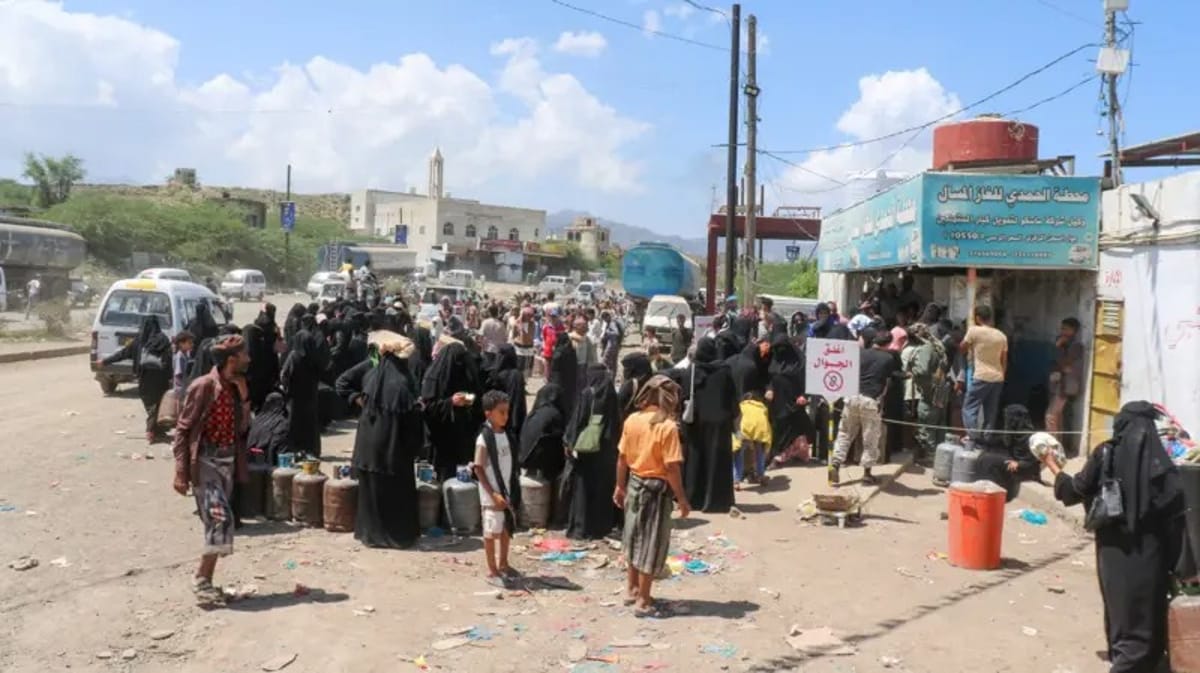
These developments come as Yemen faces one of the most complex humanitarian crises, with continued funding declines and rising needs.
The Euro-Mediterranean Monitor said that 22.3 million Yemenis, including 10.95 million women and girls, are in need of assistance and protection this year, while the number of internally displaced persons has risen to about 5.2 million.
It added that more than 18 million Yemenis face acute food insecurity, while more than 2.2 million children under five suffer from acute malnutrition, warning of the risks of widening famine and epidemics.
International bodies have warned that the continued closure of roads and crossings in and around Taiz and the disruption of movement on major roads hinder civilians' access to food and medicine and complicate the evacuation of the sick and wounded.
The warnings also indicated that restrictions on Sana'a International Airport obstruct the movement of humanitarian workers and patients needing treatment abroad, while maritime disruptions in the Red Sea create additional difficulties for supplies entering through the port of Hodeidah.
International organizations called on the parties to the conflict to protect civilians and persons hors de combat, facilitate access to food, medicine, fuel, and humanitarian aid, and allow medical evacuations and the passage of relief convoys across front lines.
They also called on donors to increase funding for the humanitarian response in Yemen amid expanding needs and dwindling resources, while the WHO called for urgent funding to avoid a widening gap between available health services and growing needs.
المصدر: Almahriah Net + Open Sources