Between Bombing and High Prices: How Do Taiz Residents Live Through the Siege and Escalation?
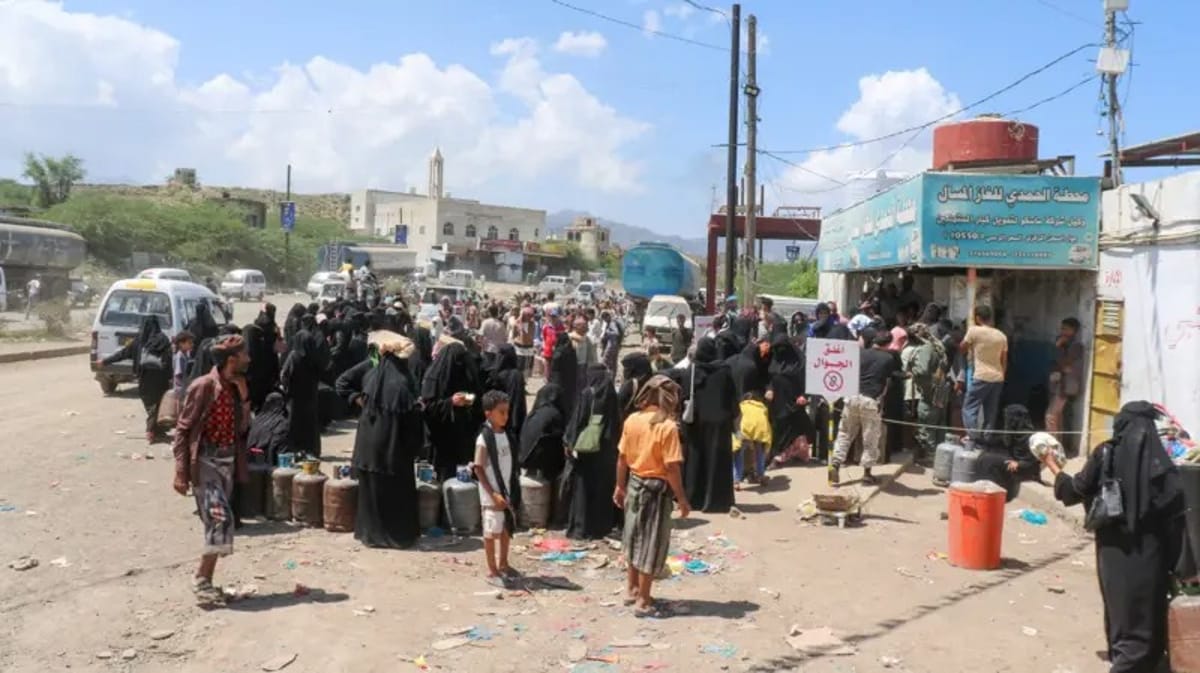
"Two days ago, I went out to buy some kitchen supplies and was surprised by the difficulty of finding transportation and the huge number of people queuing at grocery stores. People are worried that the siege on this city will last a long time, as it did in 2015." With these words, citizen Mohammed Saleh (30 years old, a father of three living in Taiz city) began his conversation with "Almahriah Net".
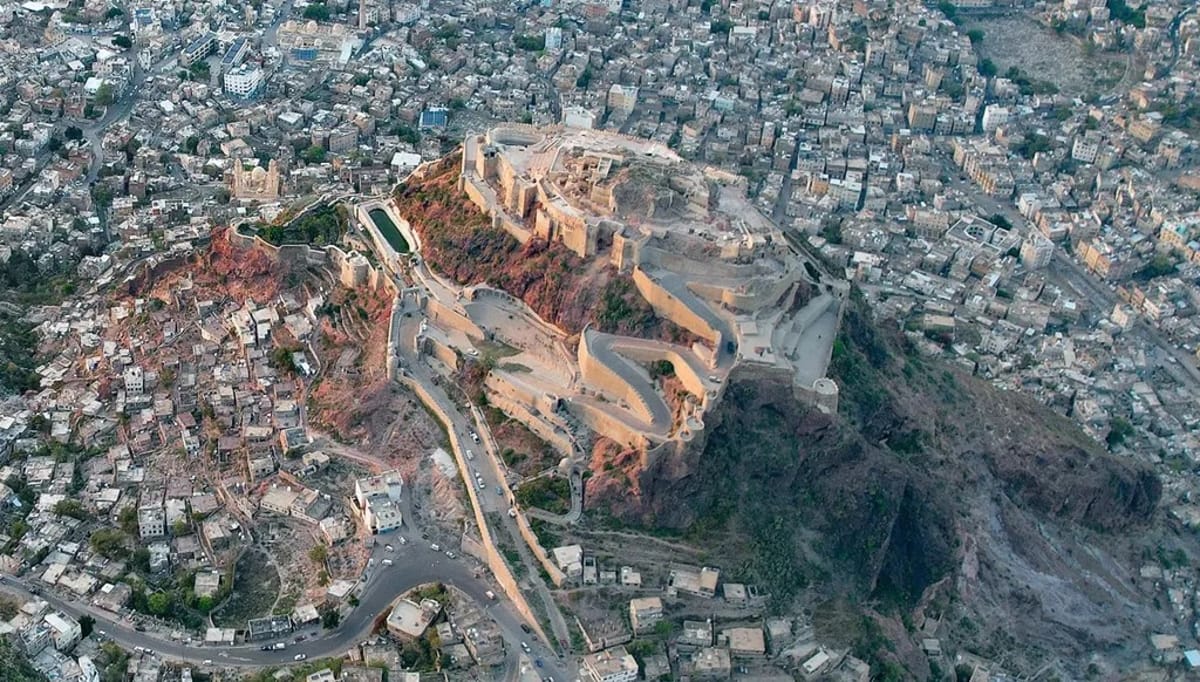
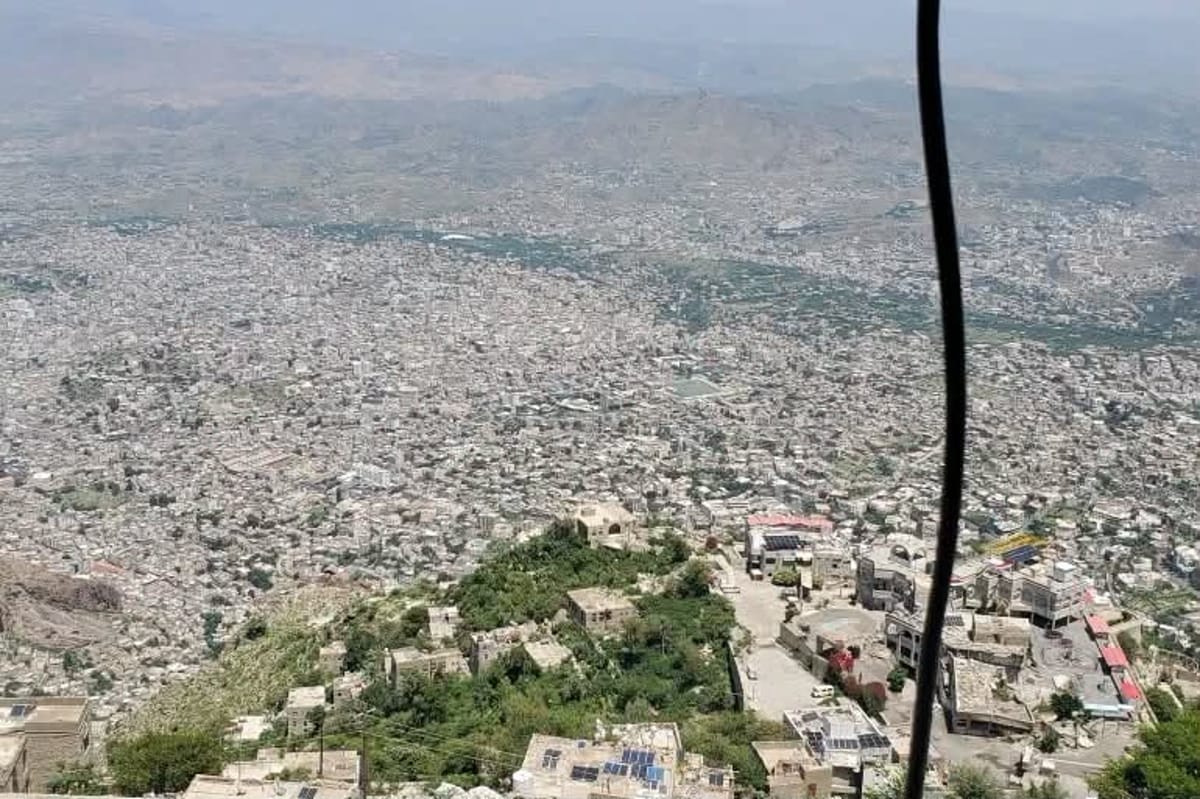
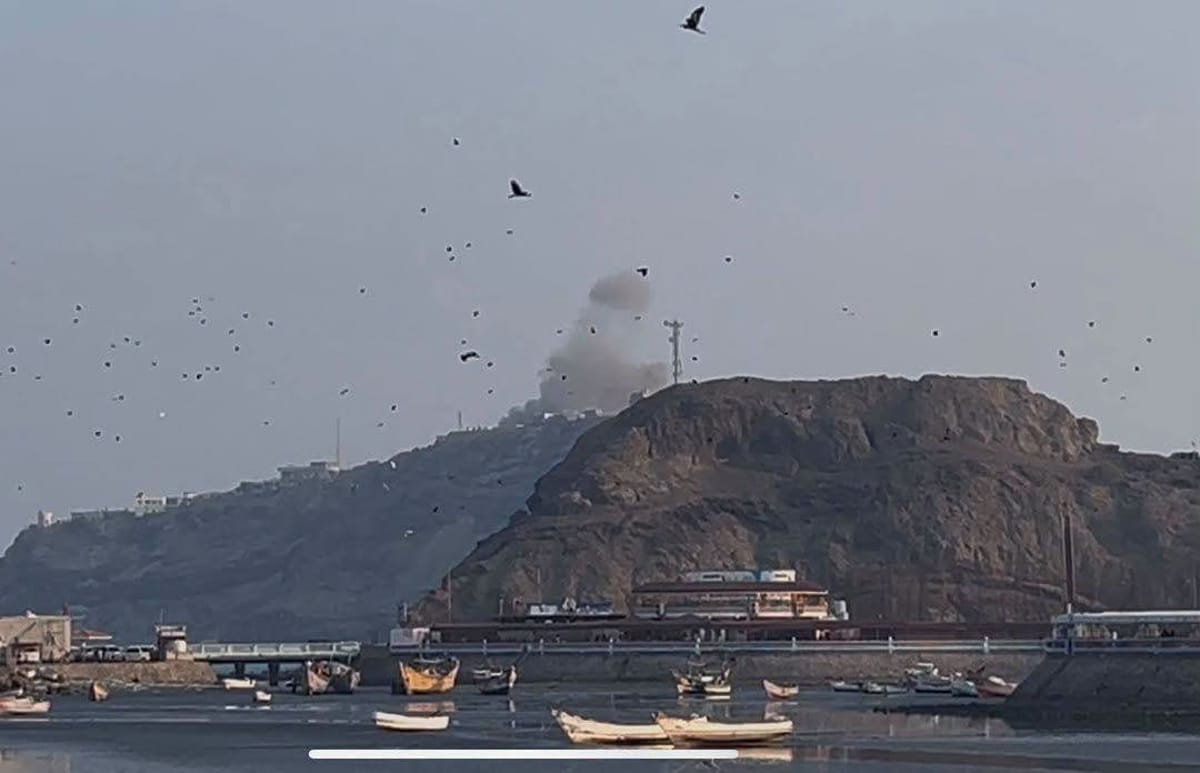
Taiz is enduring harsh days due to the intense military escalation by the Houthi group, which has cast a shadow over the daily lives of citizens, causing an exacerbation of human and economic suffering on various levels.
New Displacement Under Fire
Anxiety has loomed over the residents of neighborhoods near the front lines, following the group's intensified shelling with projectiles and gunfire, which resulted in a number of civilian casualties, both killed and wounded, and pushed dozens of families into new waves of internal displacement in search of safety.
The suffering was not limited to the security aspect; the closure of main roads and the entrenchment of the siege led to a sharp deterioration in living conditions. Some merchants exploited this by raising the prices of basic goods, while citizens rushed to buy and store large quantities of food, fearing the tightening grip, which created a severe supply crisis.
Saleh adds to "Almahriah Net," "I wanted to buy ten kilos of flour, so I stood in line. When it was my turn, I could only get one and a half kilos. The worker told me that the quantity had run out for the day, which made me worried. We are still in the early days of the road closures, and we are used to buying in small quantities depending on the money we have."
He continued, "People are buying food in large quantities. Some women offer their gold to merchants in exchange for large amounts of flour, oil, and rice to ensure food security for their families for a long time. And some men are buying excessively, which has ignited a real crisis in this regard at this early stage."
He added, "Transportation has become scarce with the fuel crisis, and in turn, the price of a single trip has risen to 300 riyals instead of 200, which has made getting around expensive for us."
Commercial Suffocation: Port Closures and Liquidity Shortage
As the effects of this field escalation extended to the banking and commercial sectors, markets witnessed the disappearance and a severe shortage of foreign currencies, which sparked fear and confusion among both citizens and merchants.
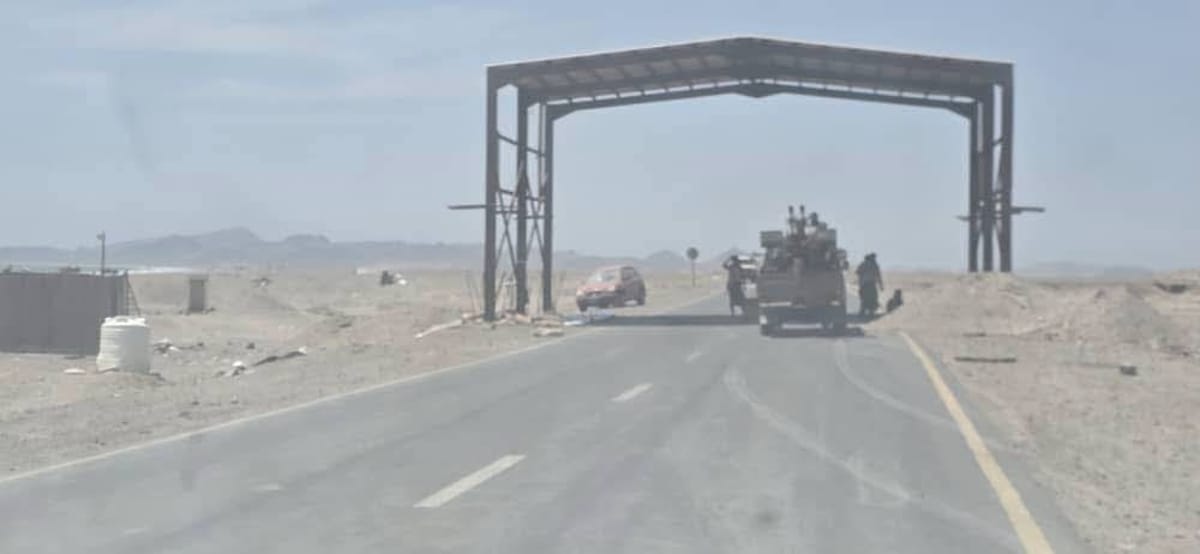
In this context, Mohammed Al-Islami, a wholesale food merchant in the Sala district east of Taiz city, said that "the closure of the city's eastern crossing caused an unprecedented buying frenzy and a massive turnout from retailers and citizens to purchase large quantities of food items, leading to the depletion of stock in some warehouses within a few days.
Al-Islami explained, in a statement to "Almahriah Net," that wholesalers were forced to turn to major traders within the city to buy new quantities, but they were met with a refusal to sell except at extremely high prices that did not match the purchasing power of citizens. He confirmed that they had to buy at these high prices to ensure their business continuity and meet the increasing demand in the market.
He added that the closure of the "Eastern Crossing" coincided with the closure of the "Al-Aqroudh" route, which led to the tightening of the siege on the city from all sides, completely paralyzing merchants' ability to import goods from outside. This was directly reflected in the escalating pace of prices and the rising cost of living.
Al-Islami pointed to another crisis exacerbating the suffering of the commercial sector, which is the extreme difficulty in obtaining foreign currencies after exchange companies refused to sell them to traders, at a time when major traders insist on dealing exclusively in hard currency. This has created an additional, complex obstacle on top of the repercussions of road closures and the siege.
Al-Islami warned of the intense anxiety prevailing in the streets of Taiz due to the continued and escalating siege, noting that fears are growing day by day with the ongoing road closures and military escalation against the city, which threatens to worsen the humanitarian and economic crisis in the coming days.
He stressed that the current crisis is not limited to the scarcity of goods and rising prices but also affects the very structure of daily commercial activity, which is now threatened with total collapse. He emphasized that the continued tightening of the stranglehold on the arterial routes to Taiz city leaves the local commercial sector completely unable to meet the basic needs of the population.
Al-Islami concluded his statement by calling on the concerned authorities and humanitarian organizations to take urgent action to press for the opening of roads and securing food supply chains, stressing that "the Taiz citizen is paying the highest price for this complex crisis that combines a military siege with the collapse of food security."
Urgent Calls to Save the City
For her part, community activist Ilham Al-Akhali confirmed that the humanitarian and living situation inside Taiz city is going through an unprecedented tragic phase, as a result of the Houthi group tightening its siege on all of the governorate's crossings from all directions.
Al-Akhali explained, in a statement to "Almahriah Net," that "the city is witnessing a severe shortage and near-total absence of basic food supplies, which has sparked widespread anxiety and fear among citizens, coinciding with a severe crisis in oil derivatives and domestic gas due to the comprehensive siege."
Al-Akhali issued an urgent appeal to humanitarian organizations to intervene quickly to save the city's residents, provide urgent food supplies, and extend a helping hand to the displaced and affected groups.
The community activist praised the resilience and perseverance of the people of Taiz in facing this suffering, recalling the experience of resilience since the beginning of the war, and affirming that the will of the residents will not be broken by these harsh conditions.
Al-Akhali called on the international community, the coalition, and the head of the Presidential Leadership Council to assume their responsibilities and work to open the city's crossings, and to secure and protect the main road through the Al-Hujariah district and its countryside, as it is the only lifeline, represented by the "Al-Turbah" road, from which the residents breathe, to prevent the complete strangulation of the city.
Al-Akhali concluded her statement by warning of the serious repercussions of the current situation, pointing out that the continued lack of food supplies threatens to exacerbate the food security crisis and puts thousands of families at risk of a real famine unless the situation is addressed urgently.
المصدر: Almahriah Net