Is a Political Solution in Yemen Off the Table?
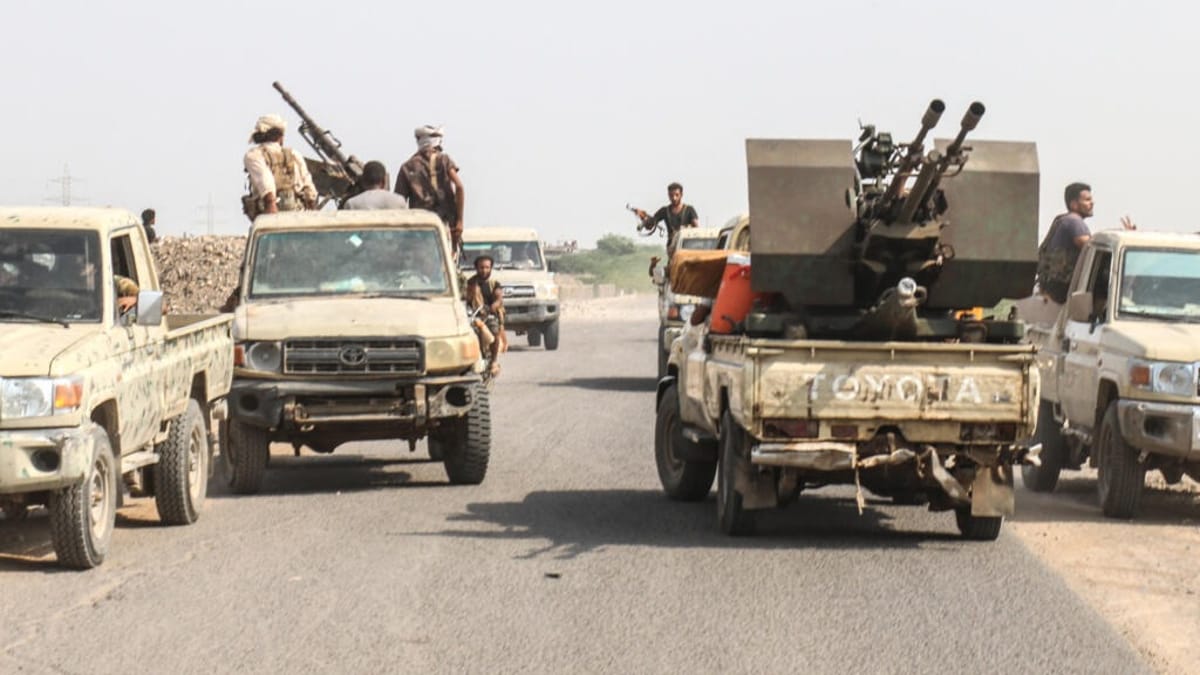
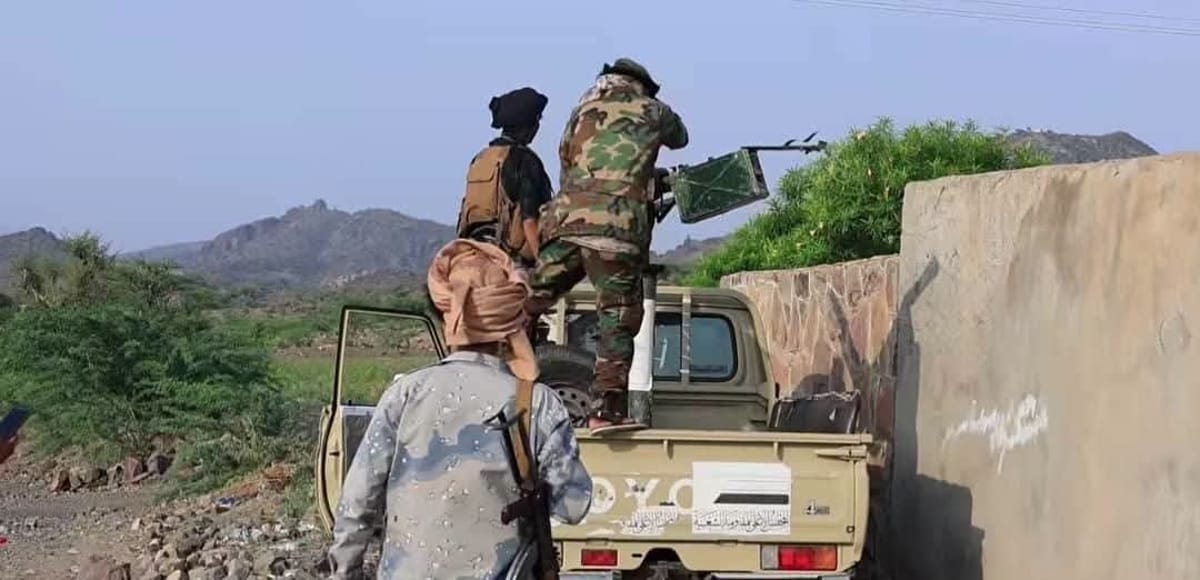
The announcement by Rashad Al-Alimi, Chairman of the Presidential Leadership Council, of the start of large-scale military operations against the Houthis, with the aim of "restoring the state and ending the control of the Houthi group," has marked a new phase that could end years of relative calm that has prevailed on various battlefronts.
In a video address on Sunday, Al-Alimi said: "Based on our constitutional responsibility to protect the sovereignty of the Republic and its citizens, based on the decisions of the National Defense Council, and after completing the necessary procedures and measures, I announce today the start of military operations to reclaim the remaining territories of the Republic and extend the authority of the state and its institutions over the entire national territory."
The move was seen as the start of a long-awaited new phase, as the years of truce did not see a significant breakthrough towards peace, except for limited agreements for the release of prisoners and abductees. This is a file that the parties also failed to close with a full release of everyone on an "all-for-all" basis.
Mura'd Al-Areifi, an editor at the Sana'a Center for Strategic Studies, considered the path to a political solution almost absent, stressing that indicators point towards a comprehensive war strategy different from the past.
Al-Areifi cited the Makkah Alliance's declaration, the decision to move to the practical implementation of defense commitments, and to take the necessary measures to provide and quickly deploy the agreed-upon military forces and capabilities within Saudi Arabia in accordance with approved arrangements.
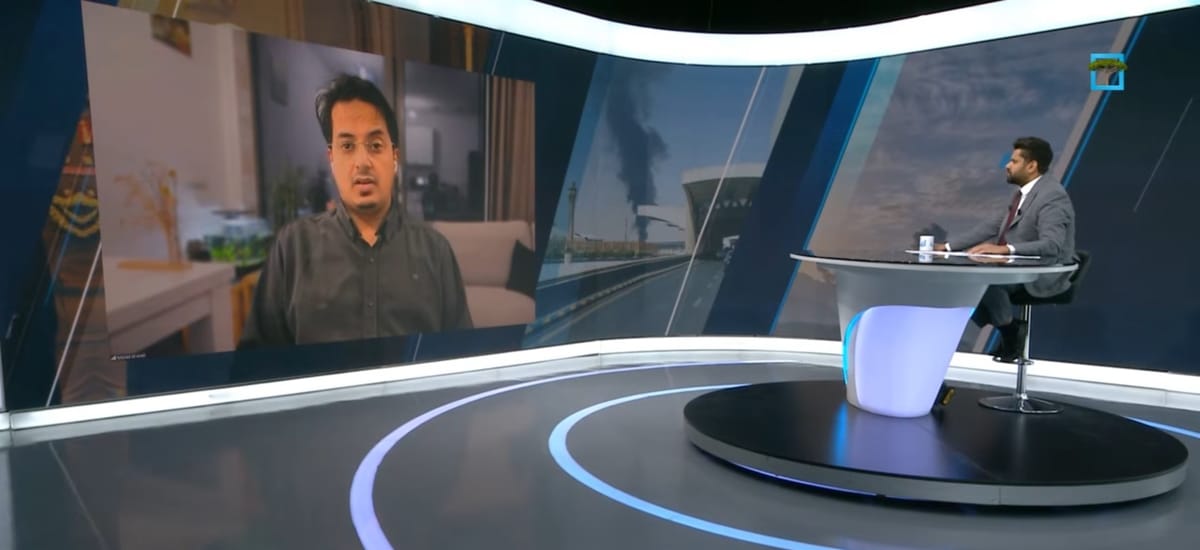
According to Al-Areifi, speaking to the Al-Tasi'a program on Al-Mahriah TV, this development could pave the way for a comprehensive battle in Yemen and might reverse the gains the Houthis have made since last September.
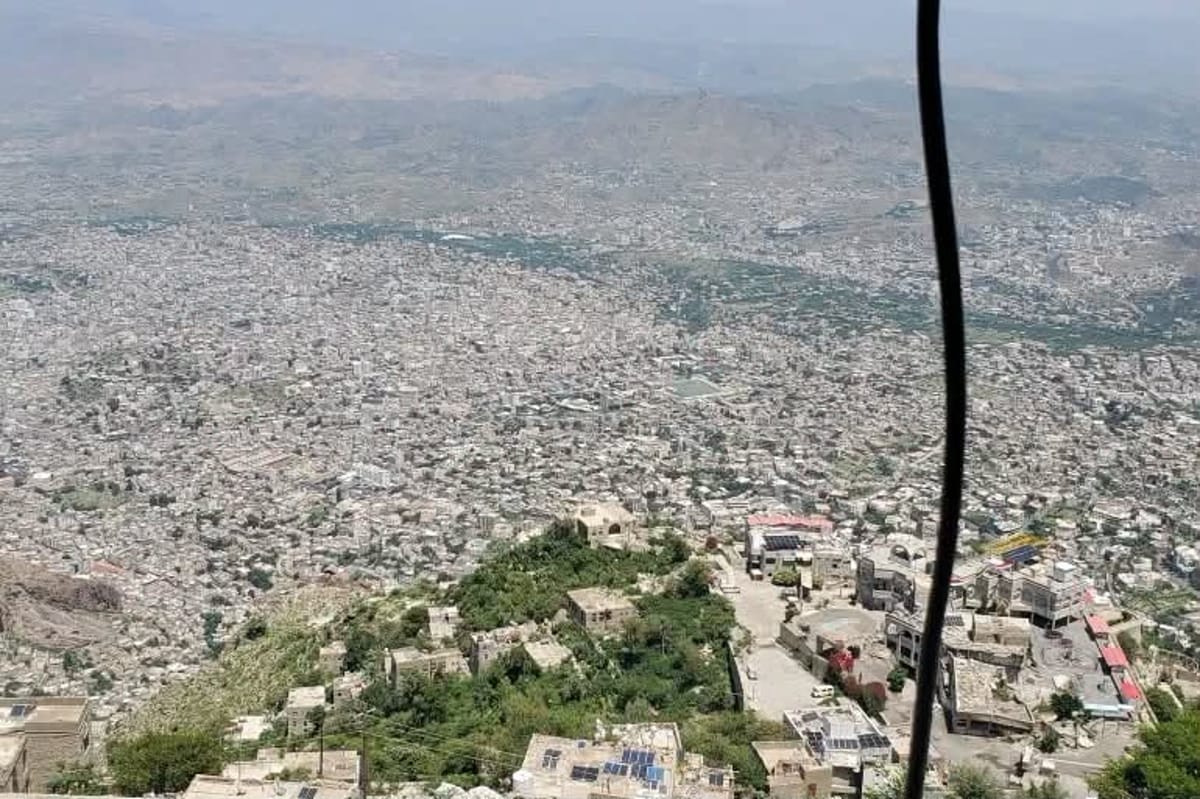
He believes that the progress made by government forces on the West Coast and the expansion of confrontations on the Taiz fronts signify a setback for the Houthis, who were close to imposing a siege on the city of Taiz.
Al-Areifi considered the battles in Taiz to be important beyond the governorate's borders, saying that if the Houthis manage to consolidate their control there, it would give them a more sustainable military position on the West Coast and Bab el-Mandeb.
He continues: The initiative on the ground has shifted to the Yemeni government and the Saudi-led coalition, with the coalition becoming more involved in the battles. However, he is hesitant to assert that the operations will quickly turn into a decisive battle towards Sana'a, explaining that the Houthis still have the advantage of fighting in mountainous areas where they have accumulated extensive experience.
For his part, Abdulaziz Al-Uqab, head of the Fikr Organization for Dialogue, said that peace is not an impossible goal or an unknown secret, but rather the decision of the brave when they realize that the victory of peoples is achieved through construction, not destruction, and through reunification, not by widening the rift.
He added on his (X) platform account, "Every opportunity wasted today will be paid for by ordinary people tomorrow. Those who make true peace are those who have the courage to compromise for their nations and see in dialogue and just, realistic solutions a safe way out that guarantees everyone's dignity and safeguards the future."
Al-Uqab said, "History does not immortalize those who prolonged the conflict and crushed hope, but rather those who built bridges amidst the rubble and crafted a lifeline for generations from wisdom and sincere intentions. Hail to peace and correct initiatives."
المصدر: Al-Mahriah Net