War Haunts the People of Taiz: Forced Displacement and Exclusionary Rhetoric in Neighboring Governorates!

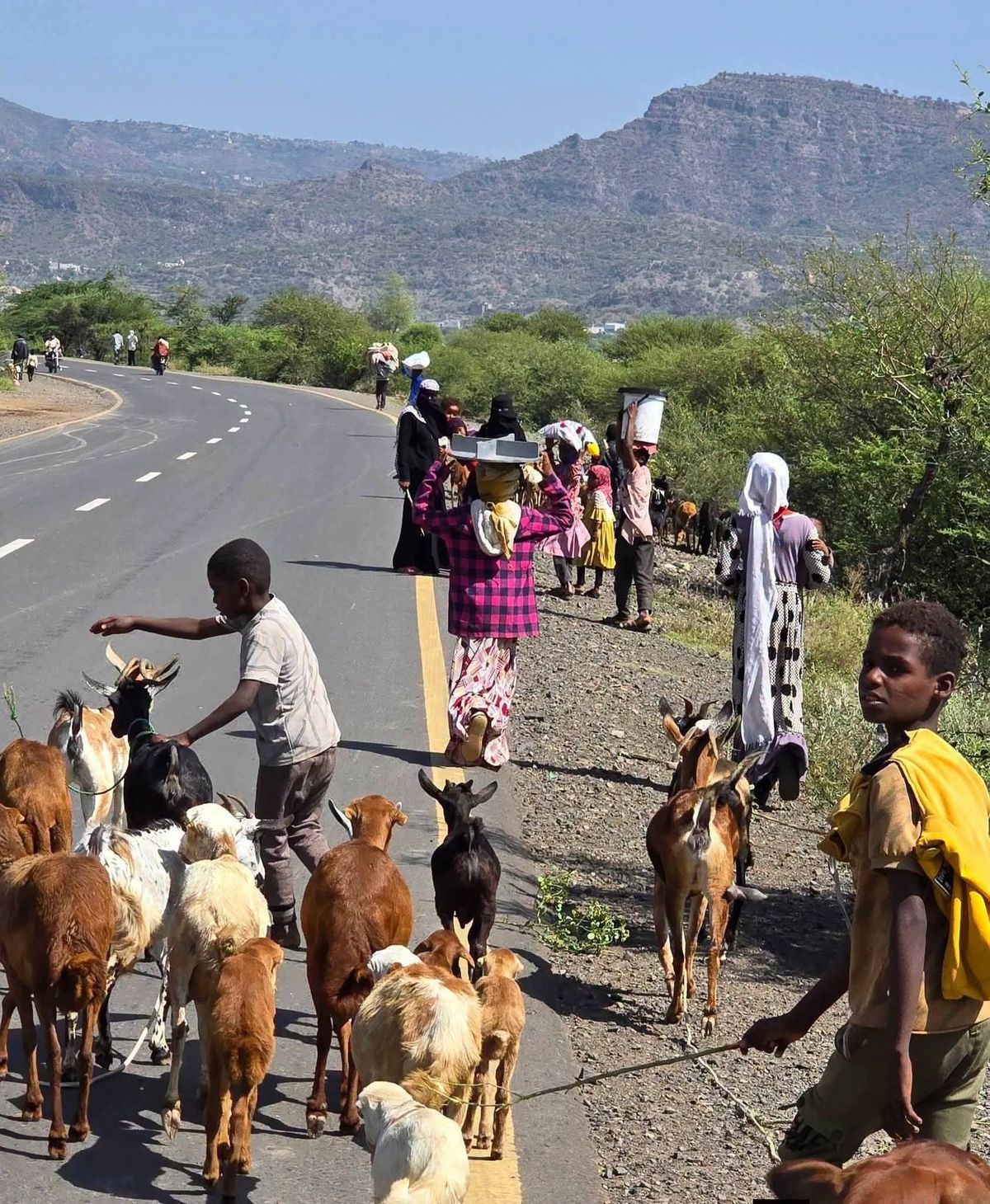
The years-long war in Taiz Governorate has not only left its people facing shelling, siege, and deteriorating living conditions, but its repercussions have extended into their daily lives, forcing many to leave their homes in search of safety and stability in other governorates.
As the military escalation in the governorate continues, residents have found themselves facing harsh choices: either stay under the threat of war or become displaced, with all the psychological, financial, and social burdens that entails.
However, for many displaced individuals, leaving Taiz marks the beginning of another journey of challenges in neighboring governorates. Some encounter marginalization, discrimination, and exclusionary rhetoric based on their regional and geographical origins, with their northern Yemeni roots becoming a reason for suspicion or restrictions.
Caught between the bitterness of displacement and the harshness of their reception, the people of Taiz find themselves trapped between a war that forced them from their homes and a new reality fraught with obstacles to their integration and stability. Instead of the governorates they fled to being safe havens that alleviate the effects of the conflict, some face additional challenges that affect their sense of belonging and their right to live in dignity and safety, free from political and regional classifications.
This suffering raises questions about the conditions of the displaced people of Taiz in neighboring governorates, the extent of the discrimination they face, and the impact of regionalist discourse on their lives and chances for stability, at a time when humanitarian considerations and citizens' rights should take precedence over any geographical affiliations or political calculations.
The Suffering Doesn't End Upon Reaching Safety
Omar Haidar, a 40-year-old father of five displaced from the city of Mocha in Taiz Governorate, told Al-Mahriah Net about his suffering after fleeing to Aden: "I was forced to flee to Aden in search of safety, but my journey didn't end when I reached the city's gates. My family and I were stopped for investigation before entering Aden."
Haidar explained that he was taken to the checkpoint headquarters for investigation while his wife and children remained in the car for a full day, amid fear and anxiety, especially with the high midday temperatures. He noted that the investigation focused on suspicions of them being affiliated with the Houthis, or simply because they came from northern areas, he said.
He added that the situation was psychologically harsh for him, as he was preoccupied throughout the investigation with the fate of his children and whether they were okay in the car, especially since they had fled Mocha under extremely dangerous conditions, amid gunfire and shelling, which intensified the family's fear and psychological exhaustion during their displacement journey.
Haidar pointed out that his family was desperate to reach safety but found themselves held up for long hours at the gates of Aden, instead of finding the protection and security they sought after a journey fraught with fear.
After the investigation, which lasted a full day, the family was able to enter Aden and move into a relative's house. However, more than a month later, they are still staying with relatives and have not been able to find housing suitable for their living conditions due to high rent prices in the temporary capital and some landlords exploiting the displaced people's need for shelter.
Haidar noted that the suffering of the displaced is not limited to the conditions of war and displacement, but sometimes extends to how some people view them. He mentioned that he and other displaced people from Taiz have experienced discrimination and racism from some individuals who treat them based on their regional affiliation, labeling them as "northerners." He stressed that this does not apply to all people in Aden, but only to a limited group.
Discrimination Exacerbates the Suffering of the Displaced
In this context, journalist Ijlal Al-Bail, who focuses on humanitarian affairs and displacement issues, said that the displaced did not leave their areas by choice, but were driven by war to seek safety. She stressed that they should not face discrimination in their areas of displacement due to their geographical origin or be held responsible for conflicts they did not choose.
Al-Bail added in a statement to Al-Mahriah Net that a displaced person who fled war in search of safety should not find themselves facing fear and discrimination again. She affirmed that the duty is to embrace the displaced, protect their rights, and counter hate speech and exclusion.
She stressed that legitimate security measures must be based on objective justifications and applied in accordance with the law. She explained that targeting displaced persons or restricting their movement because of their regions or geographical origins is a form of discrimination not justified by security considerations, and it is not permissible to treat the displaced as suspects simply for coming from conflict areas.
Protecting the Displaced is a Shared Responsibility
Al-Bail emphasized that local authorities and humanitarian organizations have a responsibility to respond quickly to the needs of new arrivals, ensuring they receive basic services without discrimination. They must also strengthen protection mechanisms, monitor exclusionary practices, and address them responsibly and decisively to safeguard the rights and dignity of the displaced.
She noted that the needs of the displaced are not limited to providing safe shelter and basic services urgently, but also include providing livelihood opportunities at a later stage after their basic needs are met, as well as ensuring their children's continued education and helping them obtain identification documents they lost during displacement.
She highlighted the importance of protecting the displaced from exploitation and discrimination by establishing mechanisms for monitoring, complaints, and reporting potential violations. She called on humanitarian organizations to monitor protection risks, provide legal advice, and refer cases to the relevant authorities, while ensuring the confidentiality and privacy of the affected individuals.
Discrimination is a Violation of the Principle of Equality
For his part, lawyer and human rights activist Abdulrahman Berman said that discrimination against displaced people from Taiz or any other Yemeni region based on their geographical origin or regional roots is an affront to the principle of equality and non-discrimination. It contradicts the fundamental rights that every Yemeni citizen should enjoy, regardless of their region, social background, or political, sectarian, or religious affiliation.
In a statement to Al-Mahriah Net, Berman added that forced displacement does not nullify human rights or diminish citizenship. Instead, it makes the displaced more in need of protection and care, as they are among the most vulnerable groups after losing their homes and property. He stressed the need for official bodies, civil society, and the community at large to redouble their efforts to provide them with the necessary protection.
He explained that turning regional affiliation into a criterion for acceptance or rejection, or a means to restrict the displaced in housing, work, movement, and access to services, including education and healthcare, is something that cannot be justified by political or security circumstances.
Berman stressed that any security measures must be based on specific legal grounds, not on geographical identity or collective suspicion of people from a particular region. He emphasized that it is not permissible to subject the displaced to procedures based on their regional affiliation, or to leave these matters to the discretion of individuals and security officials.
He noted the need for laws to regulate these procedures and for official, administrative, and judicial authorities to assume their responsibilities in reviewing non-compliant practices, addressing any violations, and holding perpetrators accountable.
Berman called on local authorities and security agencies in Aden and other governorates where displaced people have arrived, whether from coastal areas or from Taiz districts, to counter hate speech and regional incitement, investigate complaints of discrimination, threats, or assault, and hold those responsible for these violations accountable.
He also called on those affected to document the incidents they experience, file complaints with the public prosecutor's office and security agencies, and inform specialized human rights organizations to document the violations and support the victims. He stressed the importance of protecting them from any retaliatory acts they might face as a result of filing reports.
Berman concluded by emphasizing that equal citizenship is a right for every Yemeni, stressing that the suffering of displacement should not become an additional punishment for people who have lost their homeland, property, and homes, and the peace and security they once enjoyed.
المصدر: Al-Mahriah Net