Hodeidah Governor's Remarks Raise Questions About the Fall of the West Coast
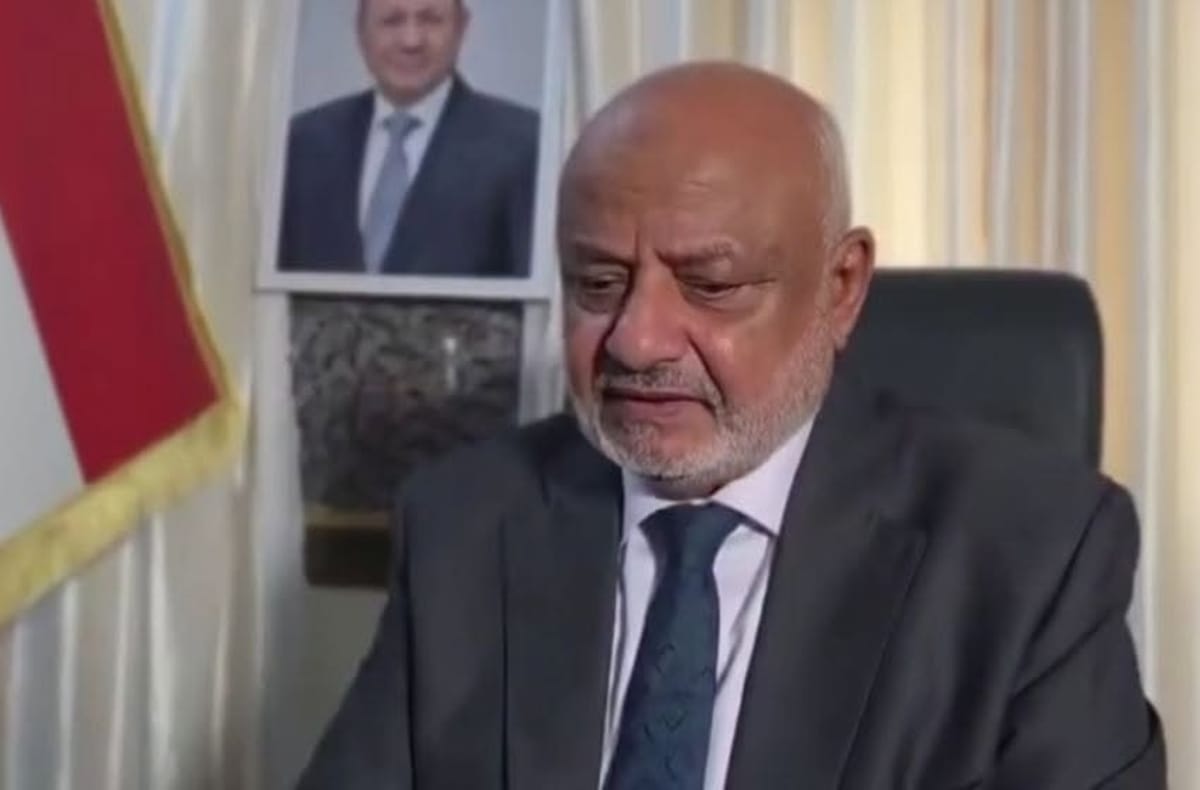
Remarks by Hodeidah's governor, Al-Hassan Taher, regarding recent developments on the West Coast have reignited controversy over the circumstances surrounding the fall of several areas and sites to the Houthi group, amidst conflicting accounts regarding the reasons for the withdrawals that preceded the Houthi advance in parts of Hodeidah and Taiz governorates.
Taher stated that what happened on the West Coast and Tihamah Plain fronts was not a military defeat, describing the developments as the result of a "great deception and conspiracy." He affirmed that the time will come, according to him, to expose those who "paid, financed, and facilitated" what occurred.
The governor's remarks came after the Houthis took control of several areas on the West Coast in recent days, including Hays, Al-Khawkha, and areas around the city of Mocha and Bab al-Mandab, following withdrawals by government forces from several positions.
In statements broadcast by the Hodeidah Governorate's media office, Taher said what happened was "not a defeat; there was no war, there was a great deception and conspiracy." He added that a day will come to expose the perpetrators and the parties he said paid, financed, and facilitated what happened, and to reveal what he described as the "real enemy" of the people of Hodeidah and Yemen.
Referring to the nature of the forces he said his troops faced, the governor mentioned that the confrontation was not with the Houthis alone, but with "Houthis, Iran, and their supporters, even from major powers." He also spoke of someone paying "billions of dollars" to facilitate what happened, without naming specific countries or entities.
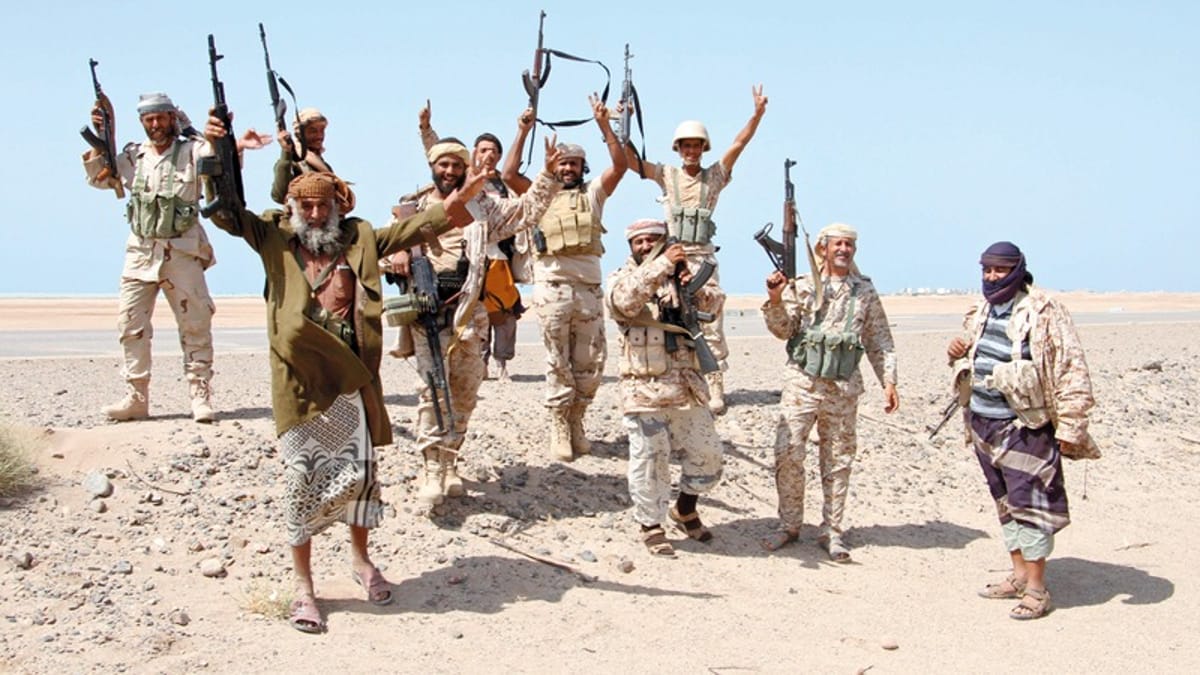
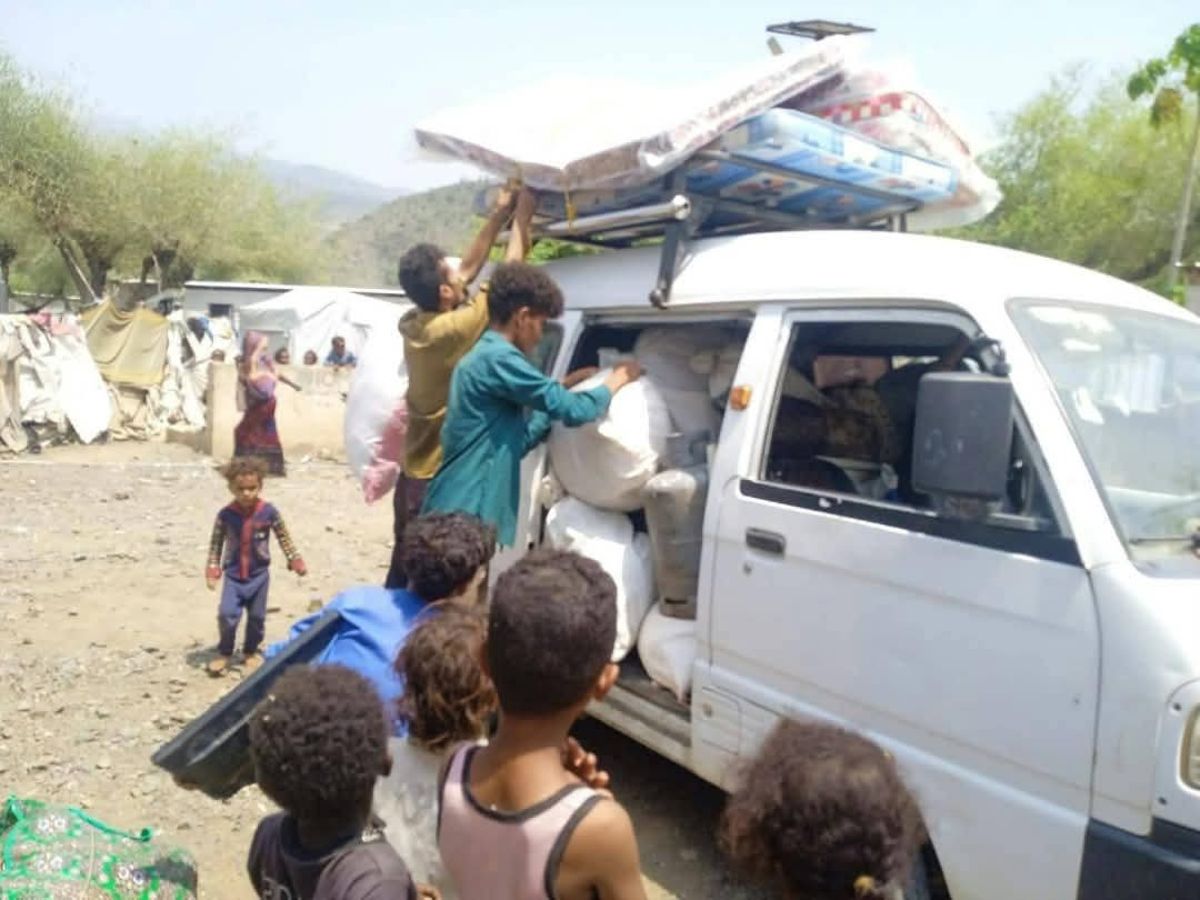
Taher, on the other hand, stressed that the fighters on the West Coast "did not falter nor were they defeated." He said that work is underway to reorganize the forces and care for the displaced, noting that recent developments will be a catalyst for reorganizing the force and preparing for a new round of confrontations.
He added that morale remains high, sending a message to the people of Hodeidah that the forces are "returning" to their areas, and emphasizing that what happened will not end the confrontation but will, in his view, lead to the recapture of the areas controlled by the Houthis.
Conflicting Accounts on the Reasons for the Fall of Mocha and the Coast
The governor's remarks coincided with a widespread debate about the narratives presented to explain the recent military developments. Political writer and analyst Yassin Al-Tamimi believes that Taher's statement represents a different narrative from the one presented by Brigadier General Sadiq Duwaid, the spokesman for the forces formerly known as the "National Resistance."
Al-Tamimi said that Duwaid's account spoke of a massive Houthi military advance towards the West Coast districts in Taiz and southern Hodeidah, estimating the participating force at about 75,000 fighters. He considered this narrative to present the Houthi advance as a result of superior numbers and a large military mobilization.
In contrast, Al-Tamimi believed that the Hodeidah governor's statements offer a different explanation, based on the existence of a "major betrayal and conspiracy" behind the fall of strategic areas. He pointed out that Taher spoke of huge sums of money paid to facilitate the operation, without revealing the names of the entities or countries he meant.
Al-Tamimi suggests that the importance of the governor's statements, in his view, is also linked to his previous proximity to decision-making circles in the coastal regions, considering that this background gives him knowledge of the behind-the-scenes military and political landscape there.
Al-Tamimi also believes that the narrative of a large Houthi mobilization needs, in his estimation, an explanation consistent with the nature of the operations the region witnessed, noting that the Houthis used, according to his account, a large part of their missile arsenal to target Mocha and the fronts.
Al-Tamimi concluded that what he describes as the "suspicion of complicity and betrayal" now requires, in his view, an investigation and disclosure of the facts, linking this to what he described as the political and military legacy of the family of the late Yemeni President Ali Abdullah Saleh.
These points, as presented by Al-Tamimi, remain a "political interpretation and analysis of events and not independent proof of betrayal or complicity."
Strategic Implications
For his part, Abdulmajeed Zabeh, head of the Tihamah Sons Union, considered that the Hodeidah governor's statements go beyond being a political reading of recent events, acquiring, as he described, special importance given the Tihamah coast's location and its geographical extension towards Bab al-Mandab.
Zabeh said that the governor's talk of a "great deception and conspiracy" is based, in his estimation, on direct knowledge of what happened in the moments preceding the recent developments. He believes that Taher, by virtue of his position and responsibility, has insight and background on the movements that took place in the region.
He opined that the governor's mention of huge financial flows to facilitate what occurred raises, in his view, questions that require clear answers about the entities that financed those movements, the paths of the funds, and the parties that benefited from them.
Zabeh indicated that the governor, in his estimation, may possess information and documents related to what happened, calling for these files to be presented to the high command and the coalition leadership, which would allow, he said, for them to be examined and for necessary action to be taken.
He added that the importance of Taher's statements, in his view, lies in the potential to reveal what he described as the "behind-the-scenes of the security and military file" on the Tihamah coast, including the nature of movements, the scale of support, and the facilitation paths that preceded the fall of several positions.
Accusations Without Names... and Open Questions
A notable point in the Hodeidah governor's statements is his mention of parties he said paid, financed, and facilitated what happened, and of "Houthis and Iran" and "major powers" that he said the forces faced, along with his reference to the payment of billions of dollars. However, in his published remarks, he did not name any specific country or entity.
This leaves a major part of the narrative presented by the governor without disclosed details so far, especially regarding the identity of the entities he said financed or facilitated the recent developments, the nature of the role he speaks of, and the evidence on which he relies.
In contrast, Taher focuses on denying that the recent developments were the result of a collapse or failure of the forces, presenting them instead as the outcome of a broader operation that he said included "deception and conspiracy." He confirmed that the forces are working to regroup and prepare to retake the areas they lost.
Thus, the governor's remarks have opened two parallel paths for discussion: the first concerns military responsibility for the withdrawals and the fall of the areas, and the second relates to the discussion of political and financial roles of parties the governor did not name.
Resolving these narratives remains dependent on the disclosure of details that Taher said he would announce later, and on what investigations or field information can provide as independent evidence regarding the reasons for the withdrawals and the parties behind them.
المصدر: Almahriah Net + open sources