Will the UAE Return to Yemen with its Previous Agenda or Under the Saudi Umbrella?
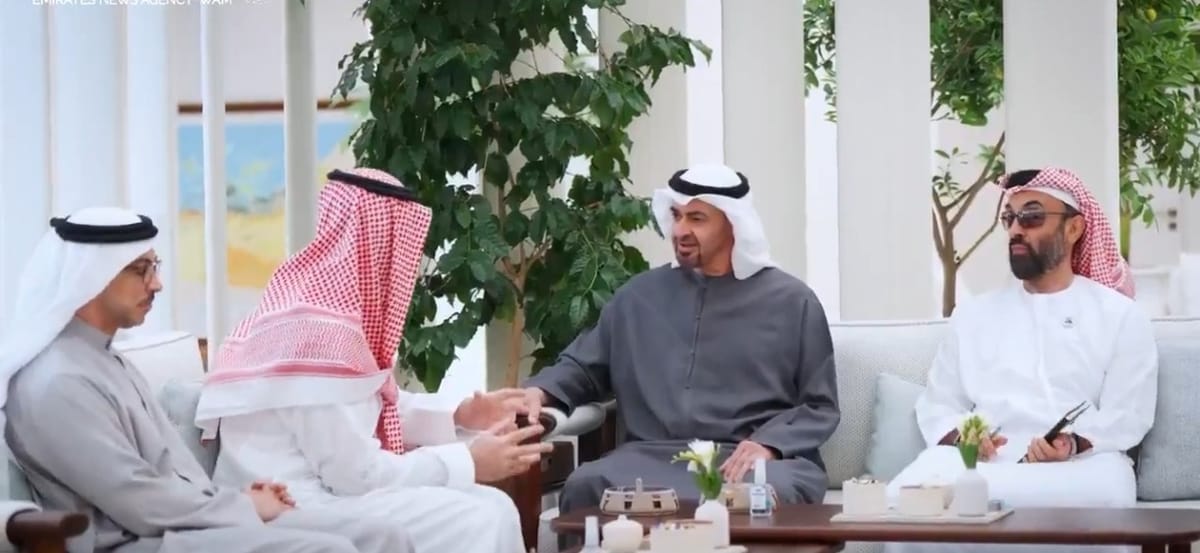
The visit of Saudi Defense Minister Prince Khalid bin Salman to Abu Dhabi on October 18 raises questions about the future of Saudi-Emirati relations in Yemen, and whether the rapprochement between the two countries paves the way for a new Emirati return to the Yemeni file, or if it will remain governed by deep divergences related to the future of the South, the nature of authority in the liberated areas, and how to deal with the Houthi group.
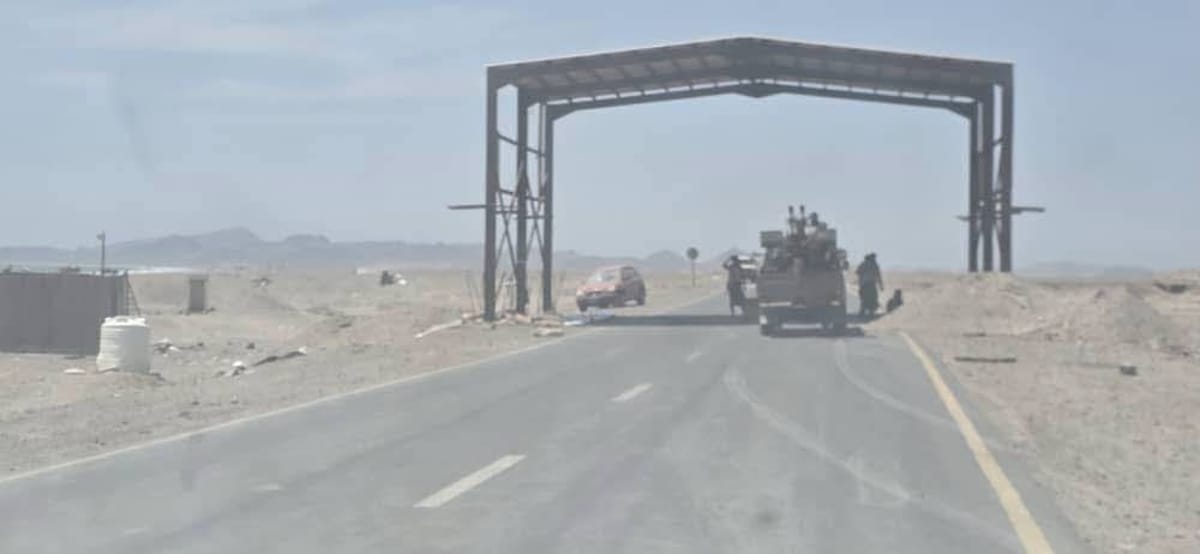
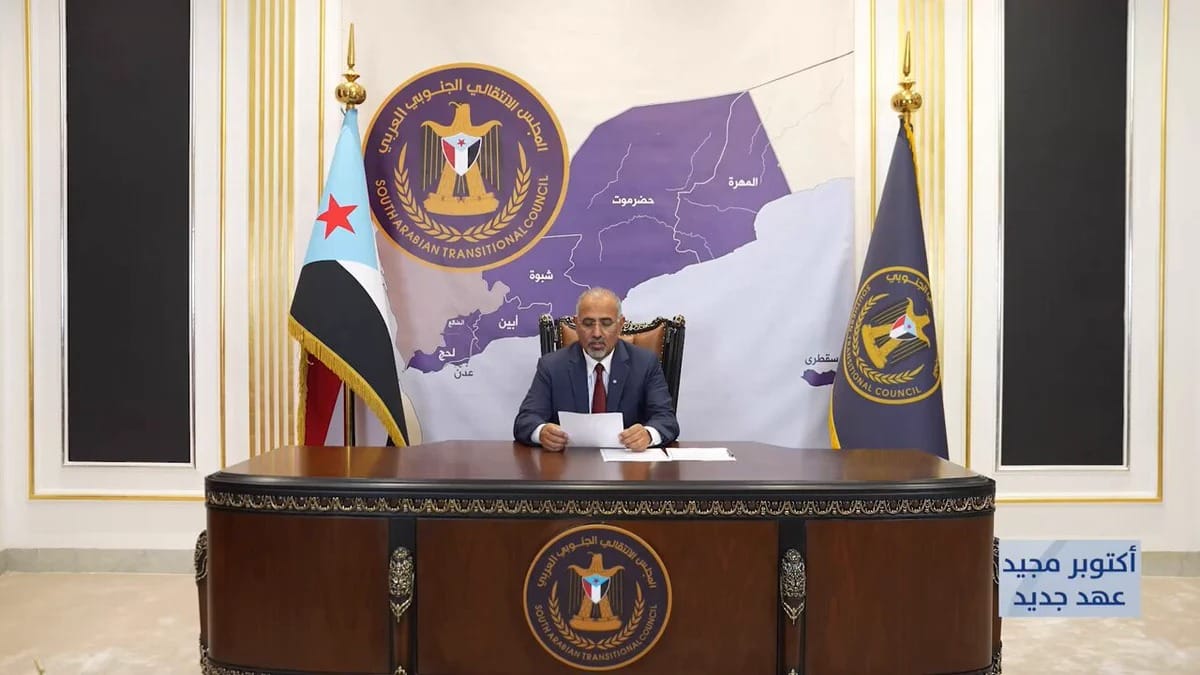
The visit came amid military and political escalation in the Yemeni arena, and after the developments in Hadramaut and Mahra early this year, which ended with the decline of the Southern Transitional Council's influence, the dismissal of its president Aidarous al-Zubaidi from the Presidential Leadership Council, and the announcement of the council's dissolution, coinciding with the withdrawal of Emirati forces from Yemen following escalating disagreement with Riyadh.
Although the Saudi-Emirati meetings emphasized the importance of bilateral relations and coordination on regional developments, they did not include a detailed announcement of new understandings regarding Yemen.
In contrast, the controversy sparked by Emirati academic Abdulkhaleq Abdulla's proposals regarding the future of the North and South has raised questions about the limits of agreement between the two countries and the possibility of reaching a common vision for the future of the Yemeni state.
This is not just about the disagreement over Yemen's unity or separation, but extends to the nature of the potential Emirati role in the next phase, and whether Abu Dhabi will engage in arrangements led by Saudi Arabia, or seek to restore its former influence through local forces with which it maintains political and military relations.
The Essence of the Saudi-Emirati Divergence
A Yemeni academic residing in Saudi Arabia, who requested anonymity, said that the core of the Saudi-Emirati divergence in the Yemeni file revolves around the future of the South and the nature of the political settlement that will determine the shape of the state and power arrangements in the next phase.
The academic explained in a statement to "Al-Mahriah Net" that the rapprochement between Riyadh and Abu Dhabi in facing security threats does not necessarily mean their visions align regarding the future of the South, the role of local political and military forces, or the relationship between the southern issue and the internationally recognized institutions of the Yemeni state.
He added that the calculations related to the South differ between the two countries; for Saudi Arabia, the file is linked to the security of its borders, the stability of Yemen, and power arrangements in the liberated areas, while the UAE has extended relations with southern forces and local military formations, foremost among them the Southern Transitional Council before the developments that led to its dissolution.
He continued that the dilemma lies in how to reconcile the two countries' common security interests with their differing visions for the future of the South, noting that agreeing to confront the Houthis does not automatically resolve the dispute over the shape of the state or the nature of political and military influence.
The academic said, "The UAE wants the South and to keep the Houthis in the North, which means a continued real threat to Saudi Arabia's security, and it is not accepted by segments of Yemenis who see this path as entrenching division and weakening the state."
He added that Abu Dhabi must review its approach to the Yemeni file, considering that the Houthi threat is not limited to Saudi Arabia but extends to the security of the Gulf and the region, and dealing with it requires a vision that transcends calculations of local influence.
A Proposal that Brings Division Back to the Forefront
Emirati academic and political analyst Abdulkhaleq Abdulla sparked widespread controversy after proposing an approach based on collective Gulf recognition of the state of South Arabia as a strategic ally, leaving northern Yemen to its internal wars, stopping support for the internationally recognized Yemeni government, and not dealing with the Houthi authority in Sana'a, neither in war nor peace, until further notice.
Abdulla's proposals, in essence, re-posed a fundamental question about the future of the Yemeni state: Can the separation of North and South lead to a stable settlement, or will it entrench division and give the Houthis an opportunity to consolidate their power in the northern part of the country?
This proposal reflects a trend calling for reshaping the approach to the Yemeni crisis based on separating the paths of the North and South, rather than linking them within a comprehensive political settlement. However, it raises issues related to the future of borders, resources, and security and military institutions, as well as the fate of areas with overlapping political and social interests.
These proposals gain additional significance at a time when the confrontation with the Houthis is escalating, as any rearrangement of the political and military map in Yemen could affect the ability of anti-Houthi forces to coordinate their operations and unify their decisions.
Does the Proposal Serve the Houthis?
Abdulla's proposal was met with criticism from Yemeni and Saudi figures, who argued that abandoning the Yemeni government and letting the Houthis rule the North could weaken the state, entrench division, and keep security threats alive.
Yemeni journalist and political activist Ali Al-Aqbi said that the call to abandon the legitimate government and leave millions of Yemenis under Houthi authority reveals, in his words, a failure to appreciate the risks of the Houthi project to Yemen and the region.
For his part, Saudi activist Ghazi Al-Qahtani considered the proposed ideas to be contrary to Saudi interests and to serve the Houthis, referring to fears that separating the South from the North would leave the group in a position to strengthen its influence and continue threatening Saudi Arabia.
As for Yemeni journalist and political activist Marib Al-Ward, he warned that letting the Houthis rule northern Yemen in exchange for pushing for a separatist state in the South could entrench division and keep the source of the threat to Saudi national security active.
Observers believe that the reaction to the proposal reflects the sensitivity of the southern file in regional calculations, and that the debate is not only about secessionist demands but also about their potential repercussions on Saudi security, the future of Yemeni state institutions, and the nature of the conflict with the Houthis.
The Transitional Council.. A File Not Closed with the End of its Previous Status
The Southern Transitional Council represents one of the most prominent outstanding issues in Saudi-Emirati relations, following the developments in Hadramaut and Mahra early this year, and the subsequent military and political moves that led to the decline of the council's influence and the announcement of its dissolution in January 2026.
The Chairman of the Presidential Leadership Council, Rashad al-Alimi, had issued a decision to dismiss Aidarous al-Zubaidi from the council's membership and refer him to the public prosecution on charges including high treason, according to what Yemeni authorities announced at the time. The dissolution of the Transitional Council was also announced by leaders who participated in meetings in Riyadh, amid disagreements over the move and positions from some of its leaders.
These developments were followed by the withdrawal of Emirati forces from Yemen, a move that came amid escalating disagreement between Riyadh and Abu Dhabi over the military and political actions of forces associated with the Transitional Council.
These events reflected a shift in the balance of power within the anti-Houthi camp and a strengthening of the Saudi role in reorganizing institutions and forces in the liberated areas. However, they do not necessarily mean the end of the southern issue or the disappearance of the social and political forces represented by the council, especially with the continued demands for the restoration of the southern state and the movements of its supporters.
Here lies one of the main test points for any new Saudi-Emirati rapprochement: How will Abu Dhabi deal with a political and military reality that has changed after the decline of the Transitional Council? Will it accept arrangements led by Riyadh that place southern forces within a broader political path, or will it continue to support a political project independent of the Yemeni government's directives?
This issue is not only related to the political council's position but also extends to the fate of the military and security formations associated with it, and how they will be integrated or reorganized within the power and security arrangements in the South.
Therefore, any potential Emirati return to the Yemeni file will face a different reality than the previous phase, given the decline of the Transitional Council's status, the changing balance of power in Hadramaut and Mahra, and Saudi Arabia's efforts to strengthen its role in managing political and security arrangements in the liberated areas.
Will the UAE Return with its Previous Agenda?
Khalid bin Salman's visit poses a question that goes beyond restoring communication between the two countries: Will the UAE return to the Yemeni file through coordination with Saudi Arabia, or will its potential return reproduce the previous pattern of influence based on supporting local forces with independent political and military projects?
A Yemeni government official, who preferred to remain anonymous, told "Al-Mahriah Net" that past experiences have sparked debate about the impact of external support for armed formations on the unity of military and political decisions within the anti-Houthi camp.
The official added that the multiplicity of power centers in the South contributed to complicating the relationship between the Yemeni government and the Transitional Council, leading to disputes over control of institutions, strategic areas, and the nature of authority in the liberated zones.
He continued that supporting armed formations outside the framework of state institutions has, in his estimation, weakened the government's ability to unify security and military decisions against the Houthis and deepened the division within the camp opposing the group.
The government official revealed that recent developments pose a question about the nature of any potential Emirati return: Will it be within arrangements coordinated by Saudi Arabia, in a way that does not conflict with its security and political priorities, or will Abu Dhabi seek to maintain independent influence through local forces with which it still maintains relations?
The official pointed to local formations and forces, including the Giants Brigades led by Abdulrahman Abu Zara'a Al-Muharrami, and the governor of Shabwa, Awad Mohammed bin Al-Wazir Al-Awlaqi, as parties about which there is discussion regarding the nature of their relations with the UAE and their role in future arrangements.
The official stressed that any rapprochement between Saudi Arabia and the UAE should lead to clear coordination regarding the future of Yemen, unifying anti-Houthi efforts, and avoiding the reproduction of disputes over power and influence within the internationally recognized government's camp.
The political debate coincided with a report published by the British newspaper "The Guardian" on October 17, which spoke of a potential understanding for the UAE to resume financial support for some anti-Houthi Yemeni forces, particularly the Giants Brigades, in exchange for Saudi air cover.
If this information is confirmed and the arrangements mentioned are implemented, it could indicate a return to military coordination between the two countries, especially amid escalating confrontations with the Houthis. However, this does not necessarily mean that Riyadh and Abu Dhabi have reached an understanding on the future of the South or the role of the dissolved Transitional Council.
المصدر: Al-Mahriah Net