Political Analyst: Continued Airstrikes Will Not Change the Balance of Power in Yemen
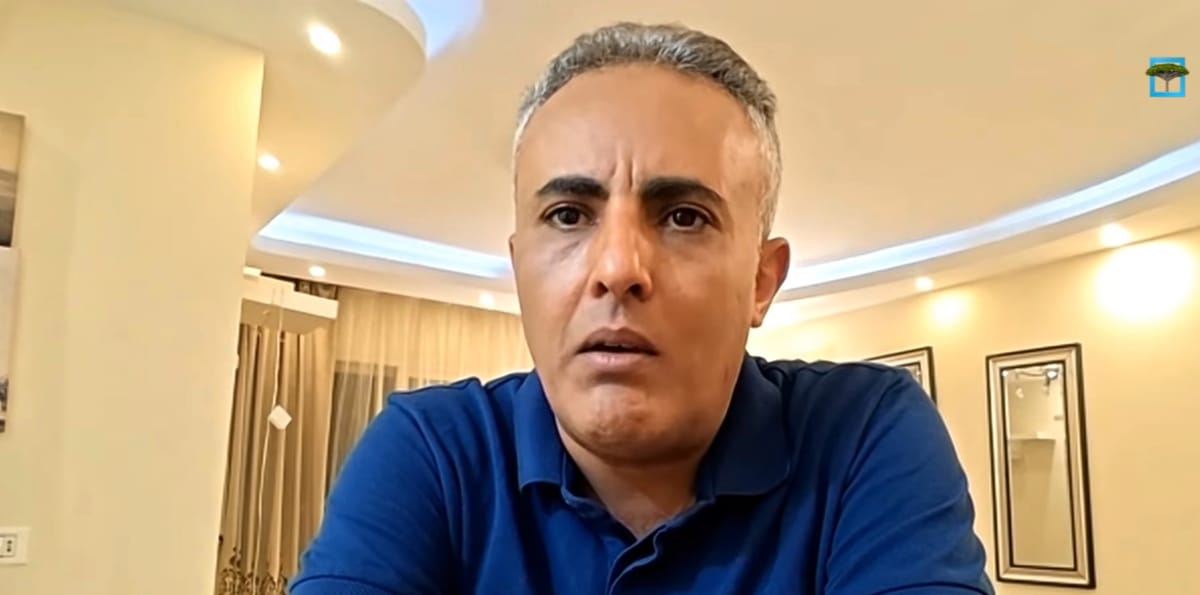
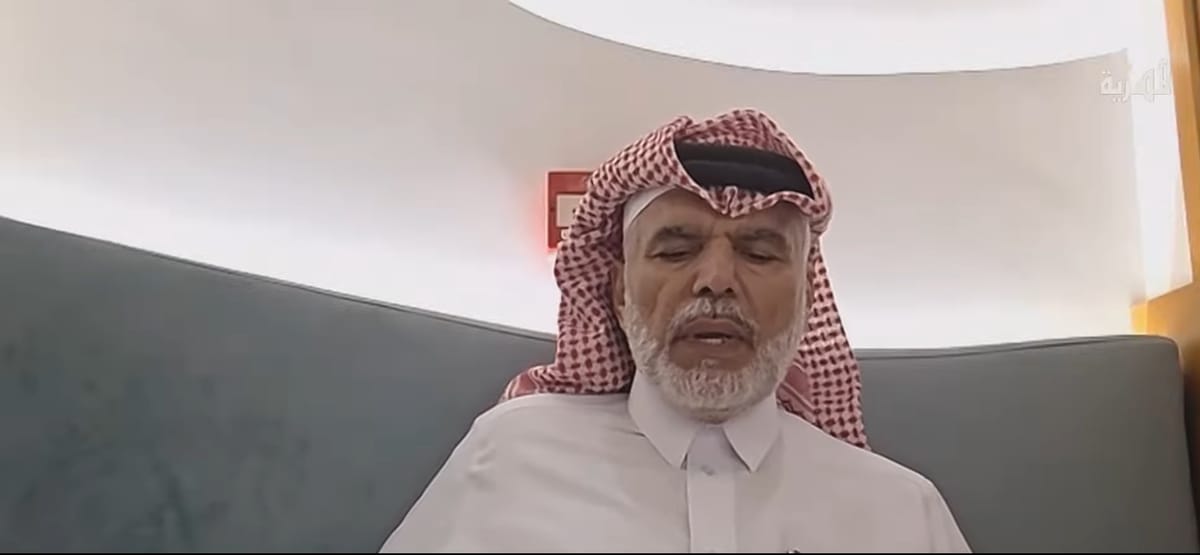
Political analyst Salah Ali Salah said that Saudi Arabia's options for dealing with the Yemeni file are becoming more difficult over time, given the continued military threats from the Houthis and the complexities of the regional and international scene.
Salah added, in a statement to the 'Al-Tasi'a' program on Al-Mahriah Channel, that Riyadh faces three main options for dealing with the developments in Yemen: first, continuing to manage the battle by relying on airstrikes; second, supporting a large-scale ground military operation; and third, returning to the path of negotiations with the Houthi group.
He explained that continuing the airstrikes might lead to a war of attrition against the Houthis and inflict human and material losses on them, but in his assessment, it would not lead to a change in the balance of power on the ground or end the existing threat.
He pointed out that the ground military option requires providing unified command and control, uniting the forces allied with the Yemeni government, as well as enhancing coordination between fighters in the field, military leadership, and planning and decision-making centers.
He noted that these requirements have not been met so far, which makes a large-scale ground operation towards Sana'a fraught with significant difficulties.
Regarding the negotiation option, Salah expressed his belief that the Houthis might be more rigid in any upcoming negotiations, warning that the chances of reaching an agreement with the group could diminish the longer Saudi action is delayed.
He said that "an agreement with the Houthis yesterday was better than today," indicating that current developments could make reaching understandings more difficult for Saudi Arabia.
For now, Salah ruled out an imminent negotiation breakthrough, despite UN and regional efforts, suggesting that the UN envoy's movements are likely linked to a broader regional context that extends beyond the Yemeni file, including efforts to de-escalate tensions in the region.
He added that the movements related to Muscat, and the talk of a joint Qatari role with Iran and the Sultanate of Oman, come within the framework of regional attempts to contain the escalation, but their chances of success remain unclear.
Implications of the US Elections and Developments in Israel
In a related context, Salah said that political developments in the United States and Israel could add more complexities to the regional scene and affect the chances of reaching solutions to the existing crises.
He noted that the US elections have, in his assessment, turned into something resembling a referendum on President Donald Trump, rather than a traditional competition between the Republican and Democratic parties.
He added that the next phase may witness a period of anticipation, pending the positioning of newly elected Democrats in their roles and their ability to influence the decisions of the US administration.
Salah wondered whether Trump would wait for the next two months, or if political developments would push him to accelerate his military steps towards Iran.
In this context, he pointed out that military data in the region, including the presence of aircraft carriers and strategic bombers, makes the option of a military confrontation viable, considering that the strikes carried out might be part of testing the capabilities of Iranian air defenses and measuring their effectiveness.
He said that the battle, from a military standpoint, appears ready, but the decision to enter a broader confrontation remains linked to Trump's political and military calculations.
Iran May Expand the Scope of its Response
Salah warned that any US attack on Iran could lead to a wide-scale escalation, as Iranian officials have asserted that the response will not be geographically limited.
He noted that Iran has previously targeted Israel and Gulf countries, considering that any new confrontation might push Tehran to expand the scope of its operations and raise the cost of war for the parties involved.
He added that the region could be facing two scenarios: either Trump decides on military escalation, with all the risks of a wider confrontation that entails, or he chooses to wait and work towards reaching understandings with the Democrats in an attempt to achieve a political deal.
He stressed that both options involve significant complexities, given the intertwining of regional files and the increasing military and political tensions in the area.
المصدر: Al-Mahriah Channel