United Nations: More Than a Quarter Million Displaced in Yemen
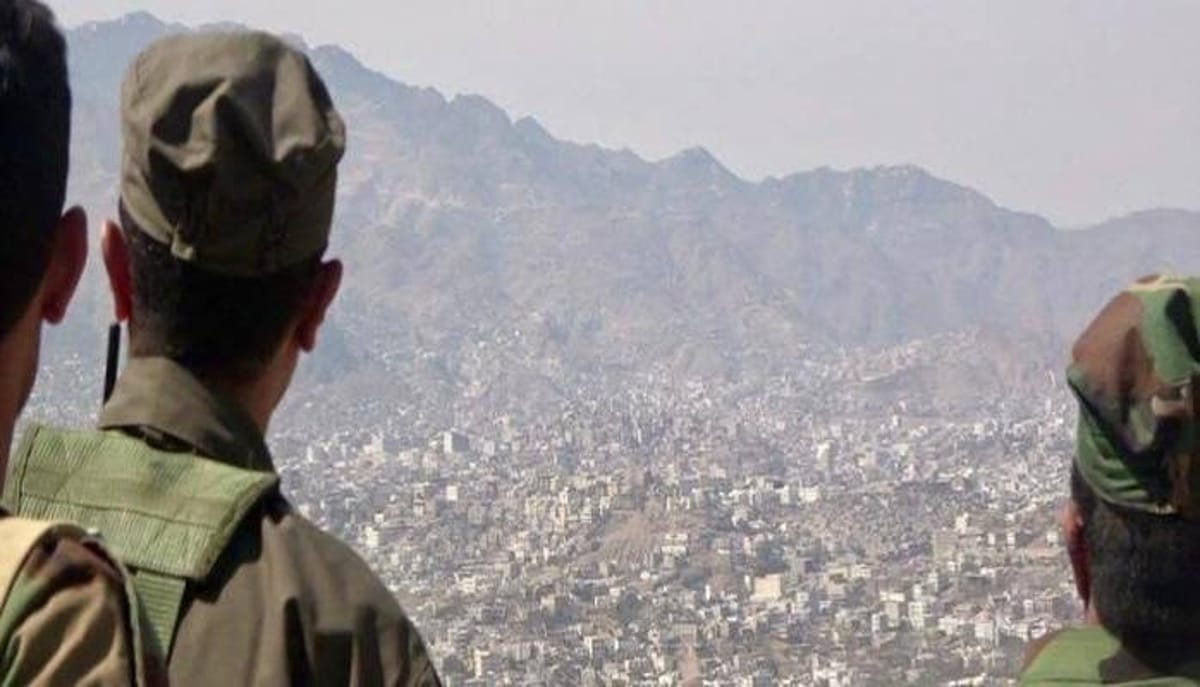
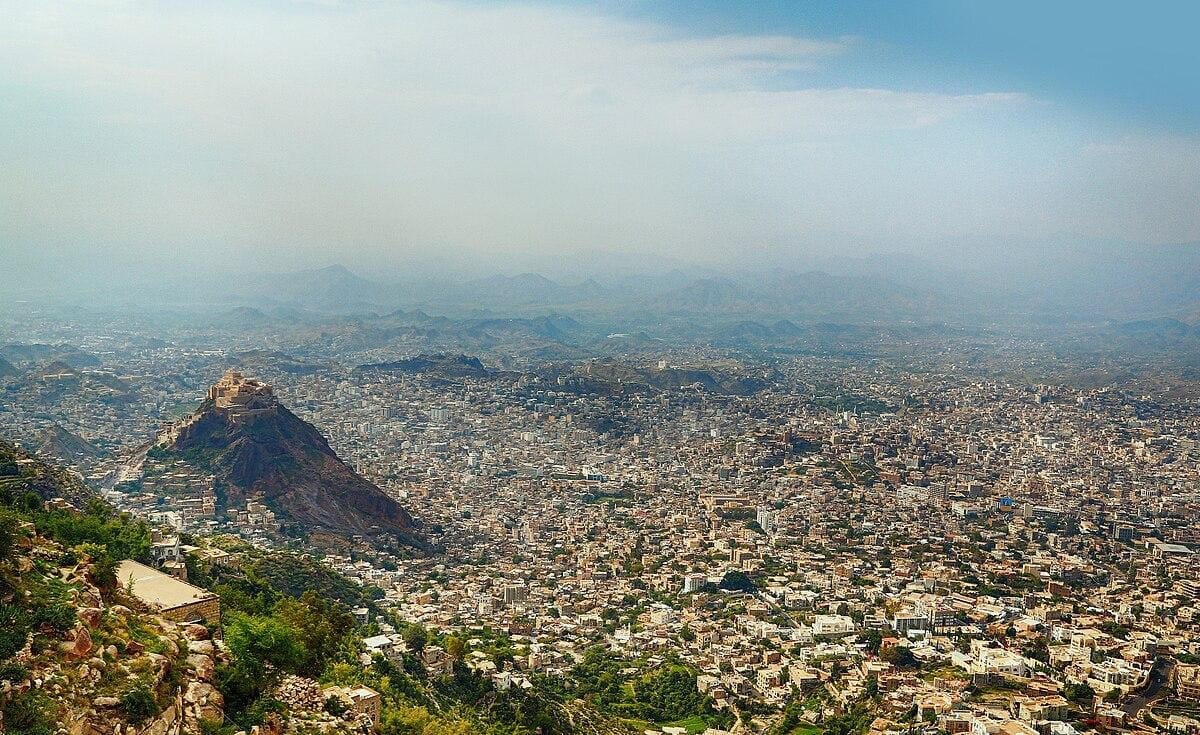
The United Nations announced on Tuesday that more than 250,000 people have fled renewed fighting in Yemen, expressing grave concern for those who have taken refuge in the southwestern city of Taiz and its surrounding governorates, where access has become "essentially closed".
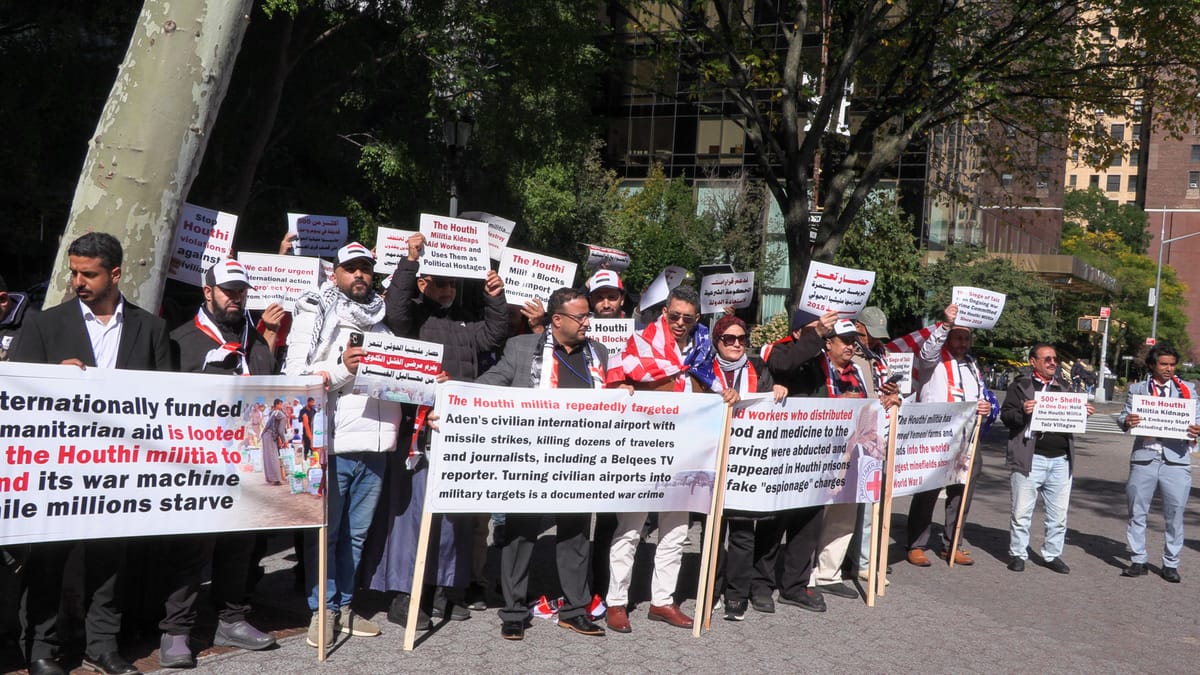
Volker Türk, the UN High Commissioner for Human Rights, said: "The Houthis' closure of the only supply route connecting Taiz to Aden puts civilians at grave risk, prevents humanitarian aid access, and cuts off essential supplies."
The High Commissioner for Human Rights noted that 32 civilians have been confirmed killed across the governorate, including 14 children and nine women. He warned of a significant escalation in the risk of death and injury as the fighting approaches densely populated areas of the city.
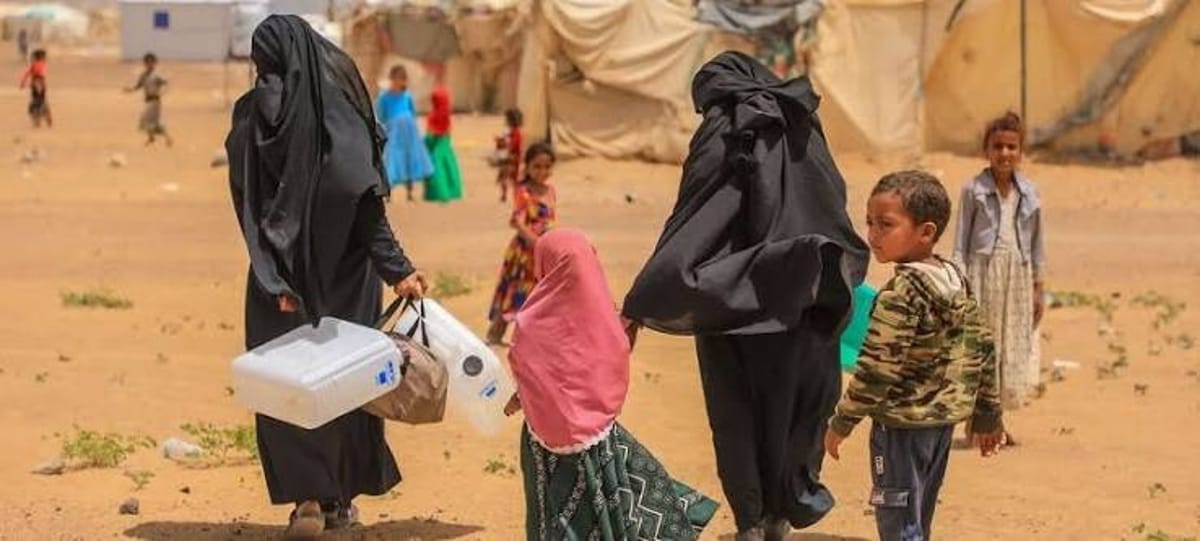
For his part, Akhil Iyer, the representative of the United Nations Children's Fund (UNICEF) in Yemen, said: "Many people have fled again and again. They arrive in camps or communities that are already overcrowded, with little or no food. Clean water is almost non-existent upon their arrival. They have literally arrived with only the clothes on their backs, with almost nothing left to support themselves."
According to the UN World Food Programme, stocks of wheat flour in the affected areas of Taiz are almost depleted.
The UNICEF official, during a press briefing from Aden, described the deteriorating situation in the conflict-affected areas, where "garbage is piling up—especially in the city of Taiz—as sanitation services have stopped".
The United Nations expressed concern about the water and sanitation situation in Taiz because diesel fuel is essential to operate pumping stations in and around the city. Supplies have been compromised due to inaccessibility and blocked supply routes, particularly from Aden to Taiz city.
It called on all parties to protect children and civilians, preserve water systems and sanitation facilities, and fulfill their obligations under international humanitarian law. This includes allowing access for humanitarian actors."
The spokesperson for the World Health Organization, Tarik Jašarević, said that 12 hospitals in Taiz have enough fuel stocks for about four days. He added that the oxygen cylinders needed by these hospitals are facing a daily shortage, while 115 out of 127 essential medicines do not have enough stock for more than a week.
For his part, Matthew Saltmarsh, spokesperson for the UN Refugee Agency (UNHCR), confirmed that access problems are preventing relief teams from reaching those most in need, despite protection activities continuing "wherever access allows".
He added: "Let's not forget that there are about 65,000 refugees and asylum seekers who are also in dire need of support; most of them are from Somalia and Ethiopia."
المصدر: United Nations