Protest in Aden Demands an End to the Siege of Taiz
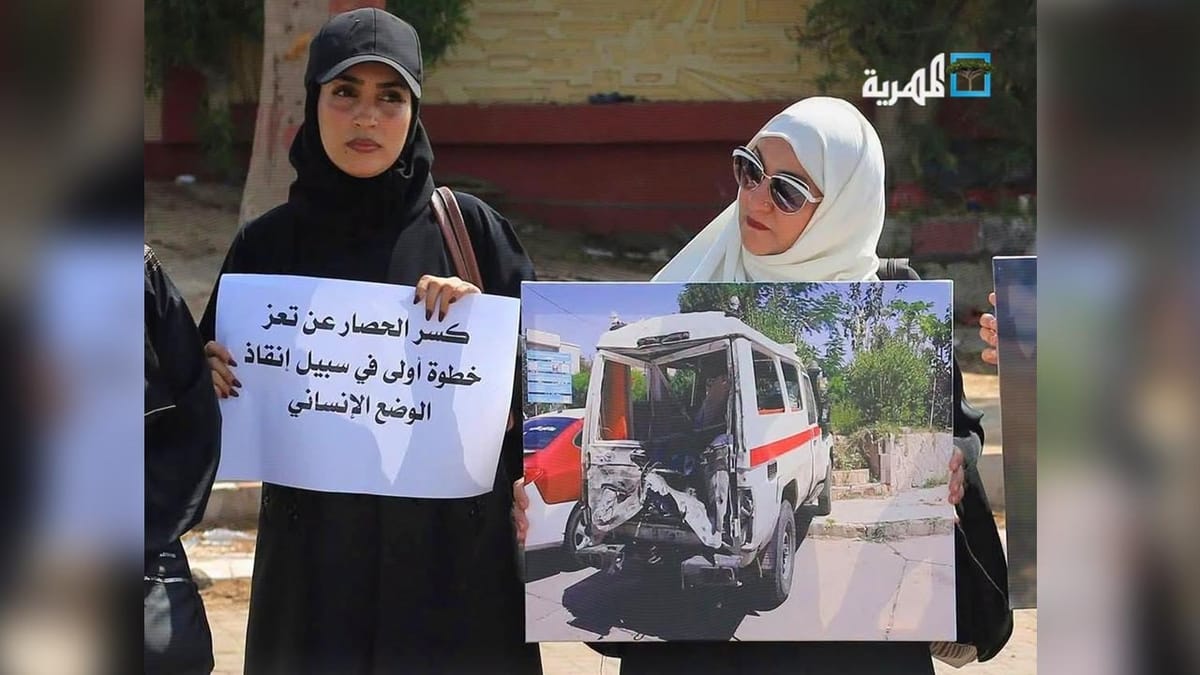
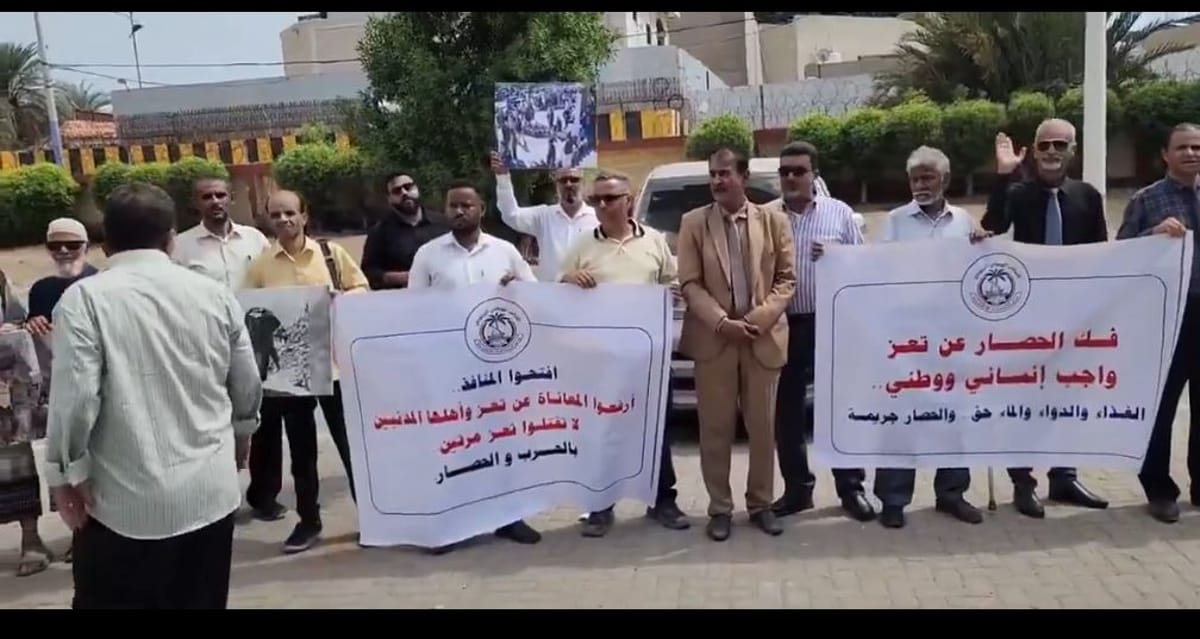
Citizens in Aden held a vigil on Tuesday in front of the UN office to demand the lifting of the siege imposed by the Houthis on Taiz for weeks.
Protesters demanded the opening of roads and crossings and ensuring that humanitarian supplies reach the population.
In a related context, Taiz Governor Nabil Shamsan stated that goods entering Taiz city do not exceed 10% of the required needs, and high transportation costs are doubling the cost of living burdens.
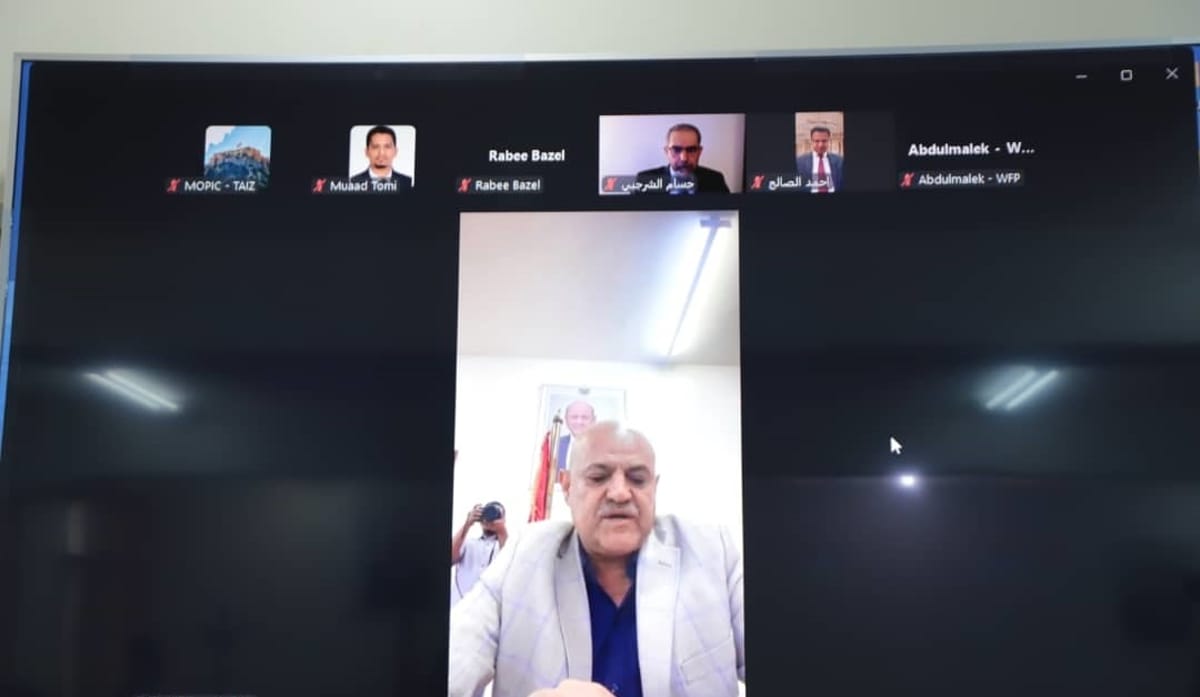
Shamsan noted in a meeting held to discuss the food security situation and supply stocks—attended by the head of the economic team, Hussam Al-Sharjabi, Minister of Local Administration Ahmed Al-Awlaki, and Minister of Industry and Trade Mohammed Al-Ashwal—that the years-long siege on Taiz has not only affected security and humanitarian aspects but has also extended to food, water, medicine, education, employment, and commercial activity.
The governor explained that allowing only 10 percent of goods to enter and imposing prohibitive restrictions and measures on transport have led to increased supply costs and exacerbated the cost of living. This also affects health and water services, disrupting the arrival of vaccines, kidney dialysis supplies, and chronic disease medications, which constitutes collective punishment against civilians.
He stressed that food security is not just about the availability of goods, but also the ability of citizens to access and purchase them amid declining income and purchasing power. He emphasized the need to treat food, water, health, nutrition, and livelihoods as an interconnected system, prioritizing displaced persons and the most vulnerable groups in humanitarian interventions.
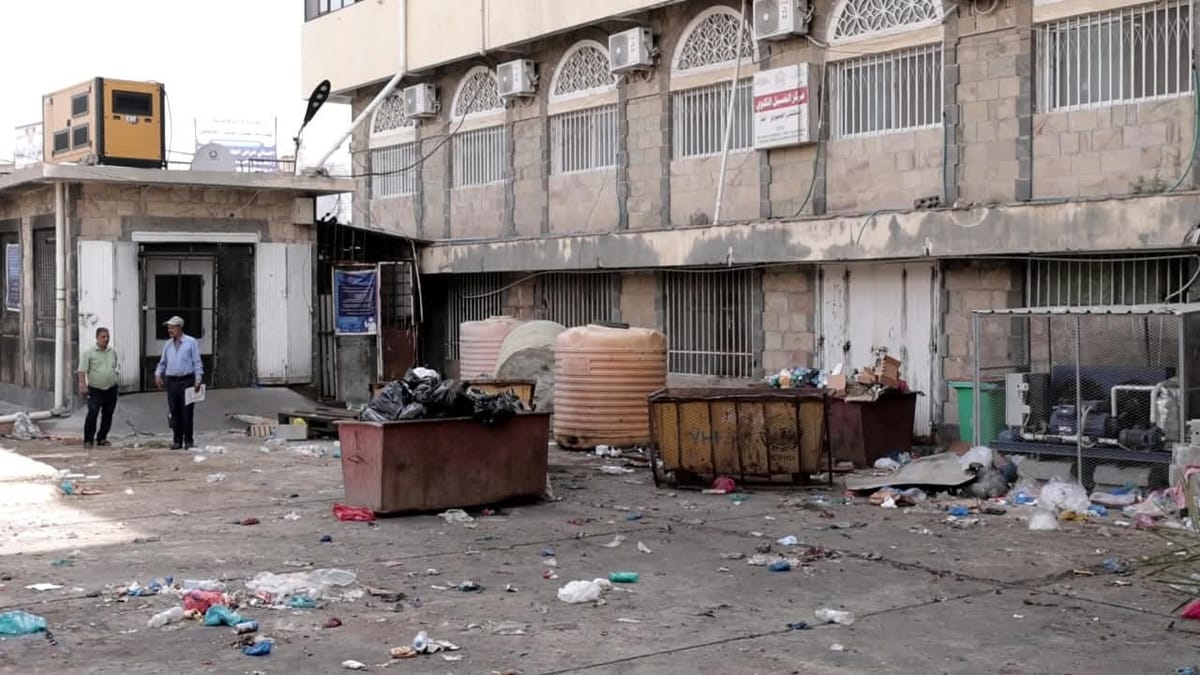
The governor called for enhancing the arrival of food supplies, facilitating the movement of goods and trucks, reducing transport costs, and establishing a continuous mechanism to monitor inventory and prices. He also called for strengthening partnerships with the private sector and traders, expanding the interventions of UN organizations, securing hospital needs for medicines and oil derivatives, addressing the waste crisis, combating dengue fever, preparing for cholera, and operating malnutrition treatment centers.
المصدر: Al-Mahriah Net