Meeting Discusses Food Security and Supply Stocks in Taiz Governorate
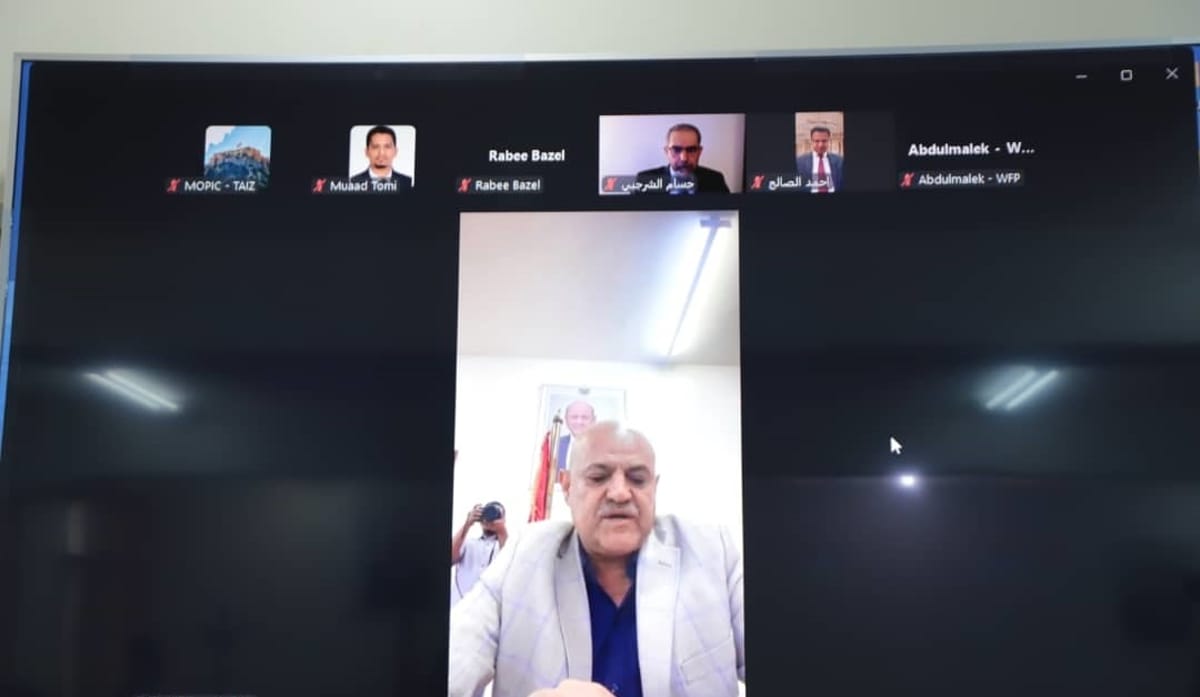
An expanded virtual meeting, including Economic Team Head Hussam Al-Sharjabi, Minister of Local Administration Ahmed Al-Awlaki, and Minister of Industry and Trade Mohammed Al-Ashwal, with the participation of Taiz Governor Nabil Shamsan, discussed the food security situation, supply stocks, and the challenges facing the flow of essential commodities to the city.
The meeting, attended by representatives of the World Food Programme, the Resident Coordinator for Humanitarian Affairs, the local authority, the private sector, the Chamber of Commerce and Industry, and banks, reviewed the repercussions of road and port closures, rising transportation and insurance costs, difficulties faced by traders in financial transfers and trade finance, and their impact on supply chains, prices, and citizens' purchasing power.
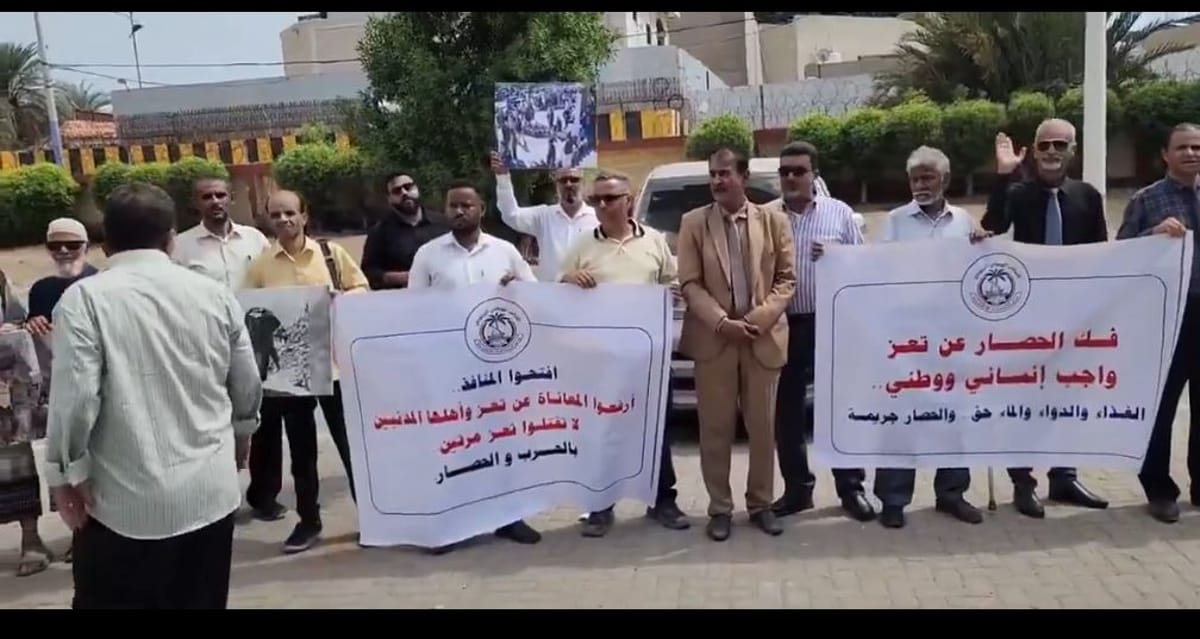
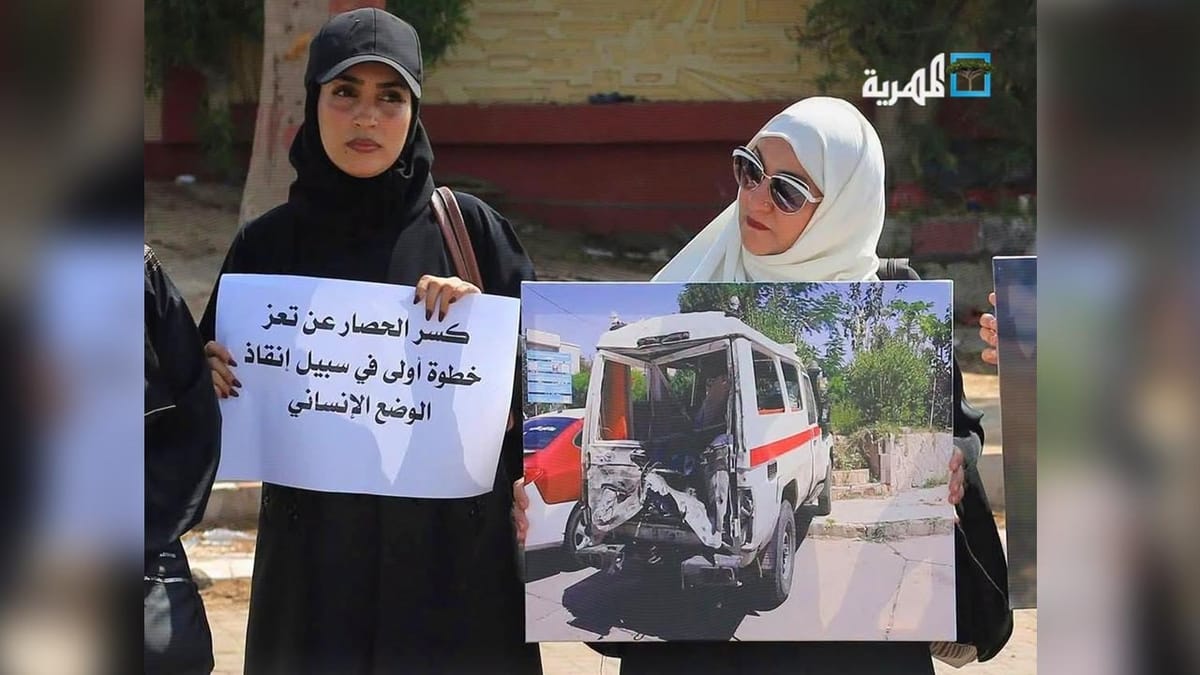
Taiz Governor Nabil Shamsan emphasized that the meeting aims to move from diagnosing challenges to developing practical and sustainable solutions that ensure the continued flow of essential goods and alleviate the living burdens on citizens. He pointed out that the siege imposed on Taiz for years has not only affected security and humanitarian aspects but has also extended to food, water, medicine, education, work, and commercial activity.
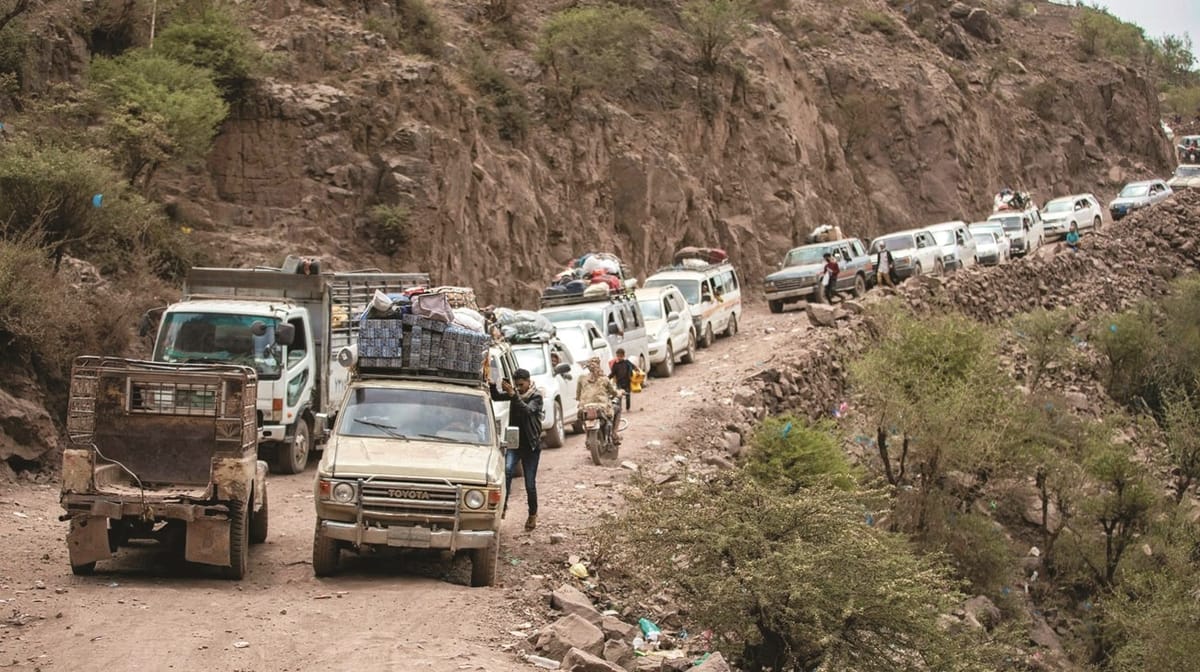
He explained that allowing only up to 10 percent of goods to enter and imposing prohibitive restrictions and measures on transportation have led to increased supply costs and exacerbated living burdens. This is in addition to its impact on health and water services, and the disruption of access to vaccines, kidney dialysis supplies, and chronic disease medications, which constitutes collective punishment against civilians.
He stressed that food security is not only about the availability of goods but also about citizens' ability to access and purchase them amid declining income and purchasing power. He emphasized the need to treat food, water, health, nutrition, and livelihoods as an interconnected system, and to prioritize displaced persons and the most vulnerable groups in humanitarian interventions.
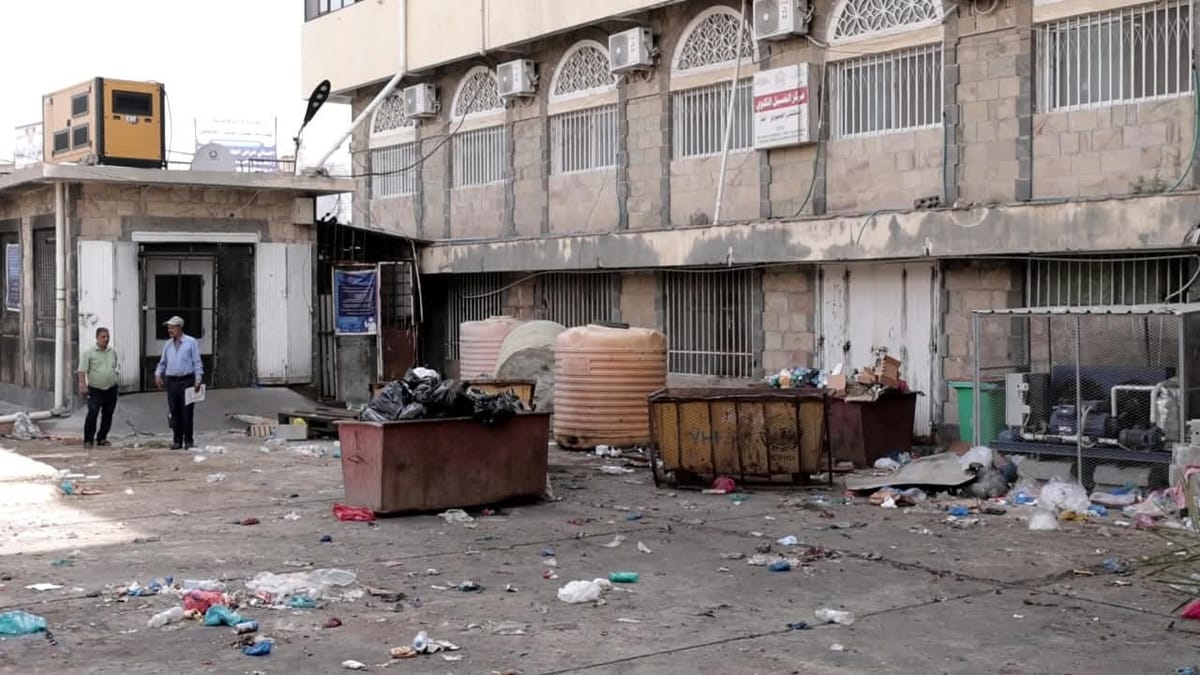
The governor called for enhancing the arrival of food supplies, facilitating the movement of goods and trucks, reducing transport costs, establishing a continuous mechanism to monitor inventory and prices, strengthening partnerships with the private sector and traders, expanding the interventions of UN organizations, securing hospitals' needs for medicines and petroleum products, addressing the garbage crisis, combating dengue fever, preparing to face cholera, and operating malnutrition treatment centers.
For his part, the head of the Economic Team stressed the importance of accurately diagnosing the economic and supply situation in Taiz, and coordinating efforts between the local authority, the government, the private sector, and UN organizations to come up with solutions that maintain market stability, support citizens' purchasing power, and ensure the continued flow of essential goods.
He indicated that the Economic Team will work in coordination with the local authority and relevant ministries to follow up on the implementation of the meeting's outcomes and submit periodic reports on supply stocks, prices, and supply movements.
In turn, the Minister of Local Administration affirmed the ministry's and the government's supportive stance for the efforts of the local authority in Taiz, mobilizing available resources to address existing challenges and meet needs, and enhancing cooperation with the private sector in storage and transportation. He praised the resilience and sacrifices of the governorate's people in the face of the siege.
For his part, the Minister of Industry and Trade affirmed the ministry's commitment to supporting the local authority's efforts, facilitating the movement of goods, overcoming difficulties for traders and the private sector, and strengthening market and supply stock monitoring and consumer protection, in coordination with banks and financial institutions to facilitate transfers and trade finance.
The Director of the Industry and Trade Office, Abdulrahman Al-Qulaia, also reviewed the repercussions of the siege, which has intensified since the beginning of October 2026, leading to the closure of roads and ports and obstructing supply chains to a city of more than 3 million people. It has prevented the entry of food, medicine, petroleum products, and domestic gas, in addition to banks and exchange companies refusing to receive cash from traders, which has disrupted commercial activity, increased prices, caused water shortages, and led to a decline in health services.
He pointed out that the office's monthly report for September and October 2026 detected a large gap between needs and imports for most essential commodities. He called for compelling banks to receive cash from traders without imposing exorbitant commissions, lifting restrictions on supply routes, and expanding the network of beneficiaries of relief aid.
Representatives of the Chamber of Commerce and Industry affirmed that the private sector, despite the siege and difficulties, has managed to provide various essential goods. However, the continued stopping of trucks, preventing the entry of some items, prolonging inspection procedures, along with high transportation and insurance costs and difficulties in financial transfers and financing, represent the main challenges facing commercial activity. They demanded facilitation of goods entry, truck movement, and financial and customs procedures.
At the conclusion of the meeting, participants stressed the need to integrate efforts and work according to a joint timeline, in coordination between the local authority, the government, the private sector, and humanitarian organizations, to press for the opening of roads and to secure food, medicine, and petroleum product supply chains to the governorate, and to follow up on the implementation of solutions and recommendations on the ground.
المصدر: Yemen News Agency (Saba)