Leaders of Dissolved STC Escalate Against Saudi Arabia; Dissolution Disputes Resurface
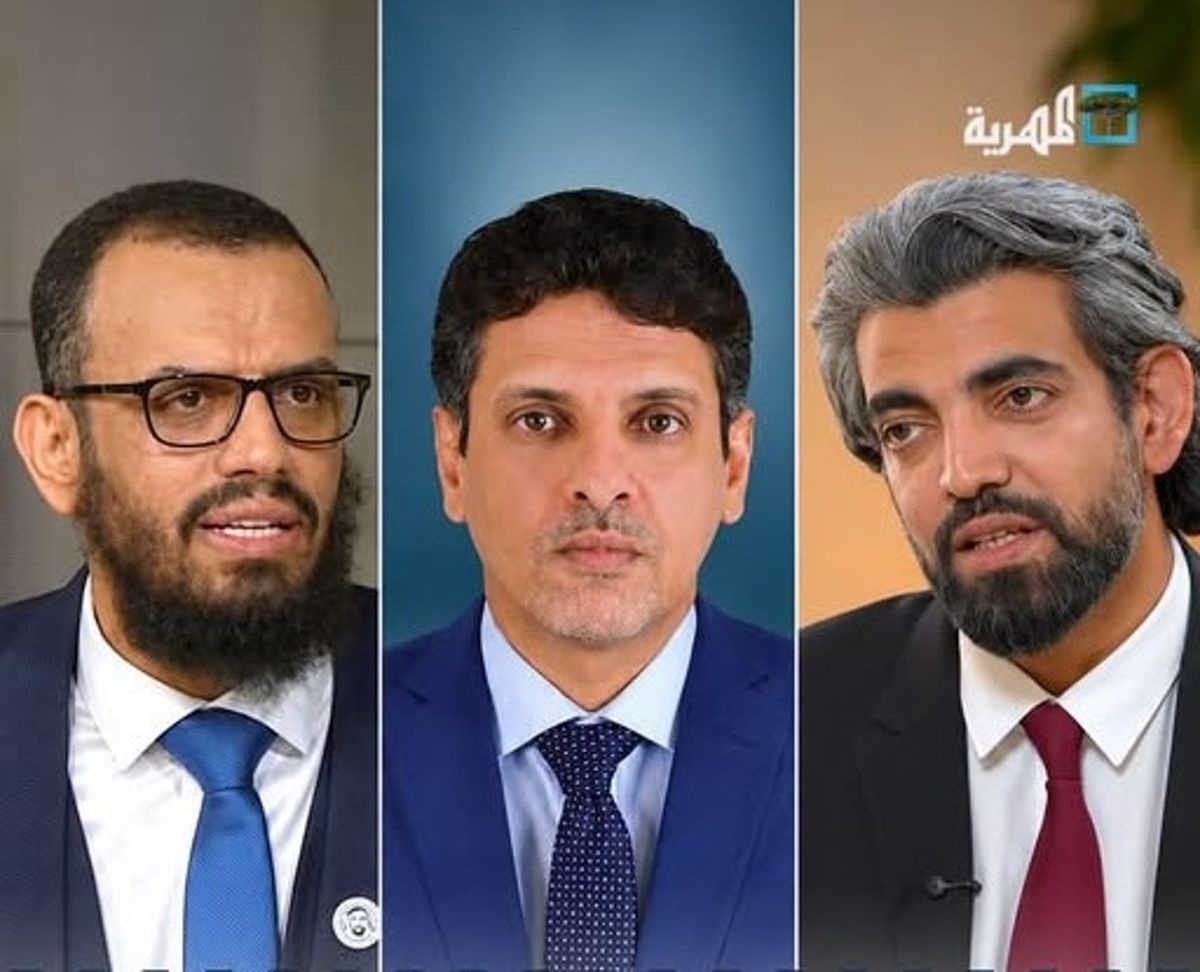
Three leaders of the dissolved Southern Transitional Council (STC) have launched a simultaneous attack on Saudi Arabia, in the latest escalation by the leaders of the UAE-backed council. Rajih Bakrit stated the council's dissolution came under Saudi pressure, considering the council's delegation to be detained in Riyadh. Meanwhile, Hani bin Breik accused Saudi Arabia of breaching partnership and alliance commitments and blamed it for delaying a decisive victory against the Houthis. For his part, Amr Al-Bidh accused Riyadh of promoting an alleged Zionist plot to justify targeting the STC.
The simultaneous statements from the three leaders of the dissolved STC reveal a resurgence of tension with Saudi Arabia, amid ongoing disputes over the council's dissolution announcement and the fate of its leaders. This coincides with reports of new Saudi-Emirati understandings regarding the Yemeni file.
This escalation comes in the context of the repercussions of developments in Hadramaut and Mahra governorates early this year, and the accompanying military movements by STC forces, which ended with the decline of its influence and the announcement of the council's dissolution in January 2026, amidst disagreements among its leaders over the legitimacy of the decision and the future of the political and military entity established in 2017 with Emirati support.
The Chairman of the Presidential Leadership Council, Rashad Al-Alimi, had issued a decision to dismiss Aidarous Al-Zubaidi from the council and refer him to the Public Prosecution on charges including high treason, coinciding with the departure of the remaining Emirati forces from Yemen.
Despite the dissolution announcement, the division within the council has not ended, as figures associated with it still refuse to recognize the decision and adhere to the legitimacy of its previous leadership. This reflects the ongoing dispute over the council's future and the position of its leaders in the political landscape.
Renewed Escalation Against Saudi Arabia
In detail, Rajih Bakrit said in a post on the "X" platform that the STC, as he described it, still represents the South and expresses the will of its people, considering that what happened in Riyadh was not an announcement of the council's dissolution by free and independent will, but rather came under pressure and coercion.
He added that the southern delegation in Riyadh does not, in his words, reflect the will of its members or the will of southerners, warning against using the southern dialogue track to bypass what he described as the reality of the pressures that accompanied the dissolution announcement.
Bakrit reiterated his assertion that the STC, under the presidency of Aidarous Al-Zubaidi, still represents the southern cause, a position that contradicts the dissolution announcement made by leaders who participated in the Riyadh meetings early this year.
Bakrit's position gains additional significance given his previous statements following the dissolution announcement, in which he had criticized Al-Zubaidi and accused him of abandoning his supporters and council leaders and fleeing by sea while a delegation of its leaders was heading to Riyadh, a stance reflecting a remarkable shift in his discourse on those developments.
For his part, Hani bin Breik, a leader in the dissolved STC, accused Saudi Arabia of breaching partnership and alliance commitments, holding it responsible for the delay in a decisive military outcome against the Houthis, an escalation that brings back to the forefront the disputes over managing the military file and the future of southern forces opposing the group.
In a related context, Amr Al-Bidh, the former special representative for foreign affairs of the STC's president, accused Riyadh of promoting what he described as an alleged Israeli plot, considering it a justification for targeting the council and its movements.
These positions came as Bakrit reaffirmed the council's continued representation of the southern cause, in response to a tweet by bin Breik mentioning two important meetings held by Amr Al-Bidh and Anwar Al-Tamimi, the STC spokesperson, signaling the continued activity of figures and leaders associated with the council despite its announced dissolution.
The escalation coincides with Western reports of Saudi-Emirati efforts to re-coordinate their positions on the Yemeni file, after months of tension following clashes between forces backed by the two countries early in the year.
On October 17, the British newspaper "The Guardian" revealed a new understanding between Riyadh and Abu Dhabi, which includes the UAE resuming funding for some anti-Houthi Yemeni government forces, particularly the Giants Brigades, in exchange for Saudi Arabia providing air cover for these forces.
The newspaper quoted Yemeni sources as saying that the arrangement is an indicator of overcoming the differences between the two countries regarding the future of Yemen, amid growing concerns about Houthi advances and their increasing missile and drone attacks. No official confirmation of the details of this arrangement has been issued by either country.
In recent years, the UAE had supported southern military formations, including the Giants Brigades and other forces, in addition to supporting the STC, which extended its influence over Aden, coastal areas, and the island of Socotra, before its control waned following the military developments last January.
Implications of the Escalation
The synchronization of the three leaders' positions indicates a continued dispute within the camp associated with the dissolved STC regarding the outcomes of the January events, and the refusal of some of its leaders to accept the dissolution decision and the resulting rearrangement of the balance of power in southern Yemen.
The statements also reveal a shift in the dispute from objecting to the dissolution procedures to directing direct criticism at Saudi Arabia, which has become the most prominent regional actor in managing political and military arrangements in areas under Yemeni government control, following the withdrawal of Emirati forces.
In this context, the attempt by some leaders to re-propose the STC as the exclusive representative of the southern cause stands out, in parallel with casting doubt on the southern dialogue track sponsored by Riyadh and supported by the legitimate government.
This escalation gains additional importance amid talk of Saudi-Emirati coordination to confront the Houthis, as continued disputes between southern forces backed by Abu Dhabi and the legitimate government backed by Riyadh could affect efforts to unify military formations and rearrange security and military priorities at a time when confrontations on the front lines with the Houthis are escalating.
المصدر: Al-Mahriah Net - Open Sources