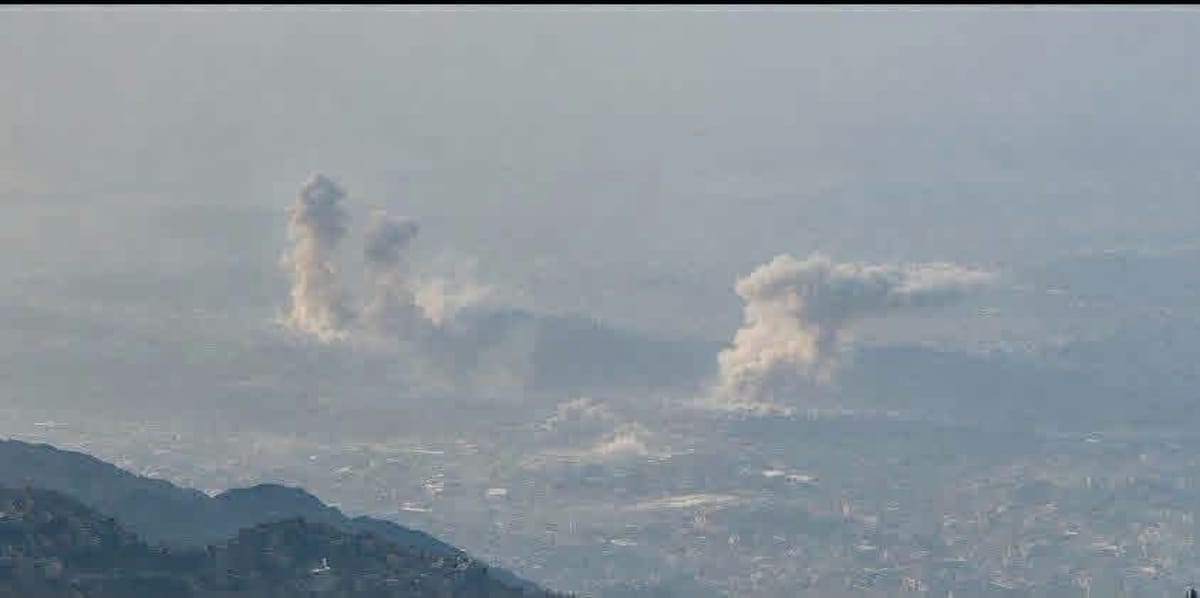
Widening War Narrows Safe Zones for Civilians in Yemen
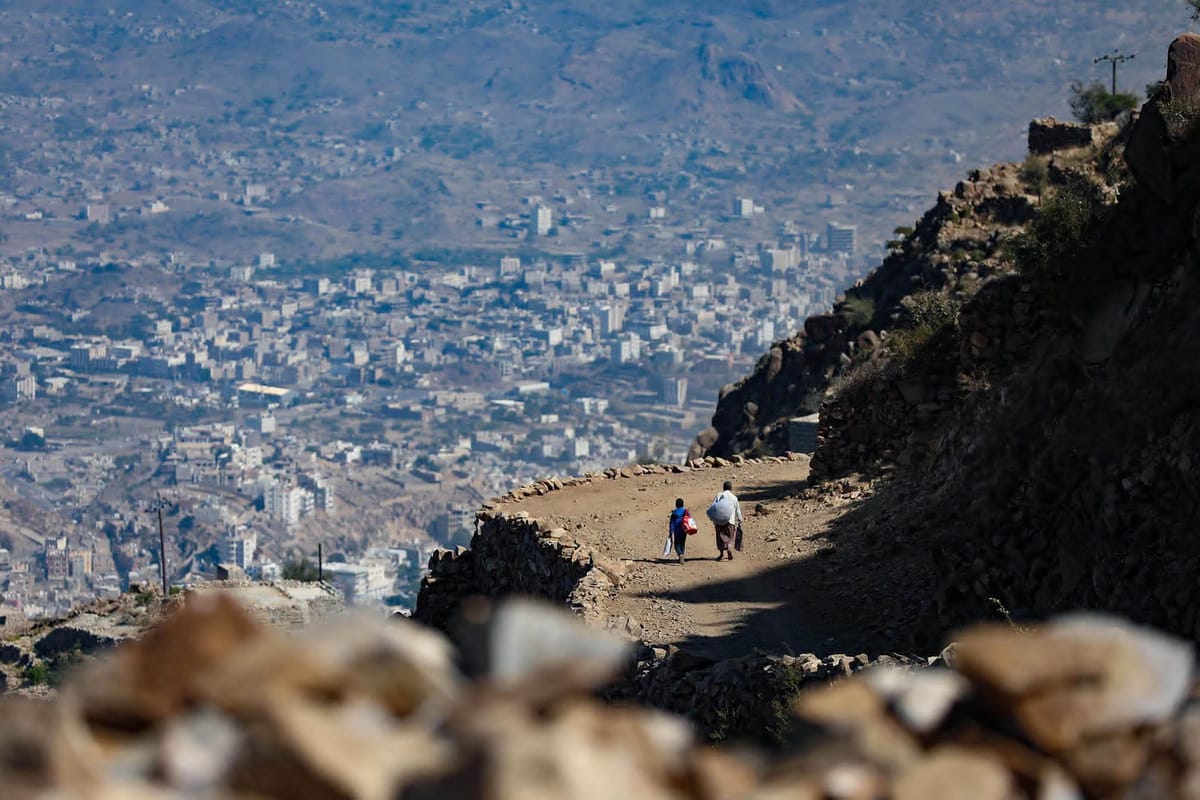
The humanitarian crisis in Yemen is no longer limited to the consequences of the ongoing war. It has transformed into a multidimensional tragedy where military confrontations intertwine with escalating waves of displacement, deteriorating health services, and the declining capacity of humanitarian organizations to respond to growing needs, all while safe spaces for millions of civilians are shrinking.
As confrontations expand in several governorates, the suffering of the population worsens, especially in areas affected by military operations. Civilians find themselves with limited choices: either stay in dangerous zones or flee to other areas that also lack the minimum requirements for stability and a decent life.
Taiz governorate stands out as one of the areas facing a deteriorating humanitarian situation, with persistent threats to civilians and increasing difficulties in accessing basic services, amid warnings of escalating humanitarian consequences.
Escalating Waves of Displacement and Human Losses
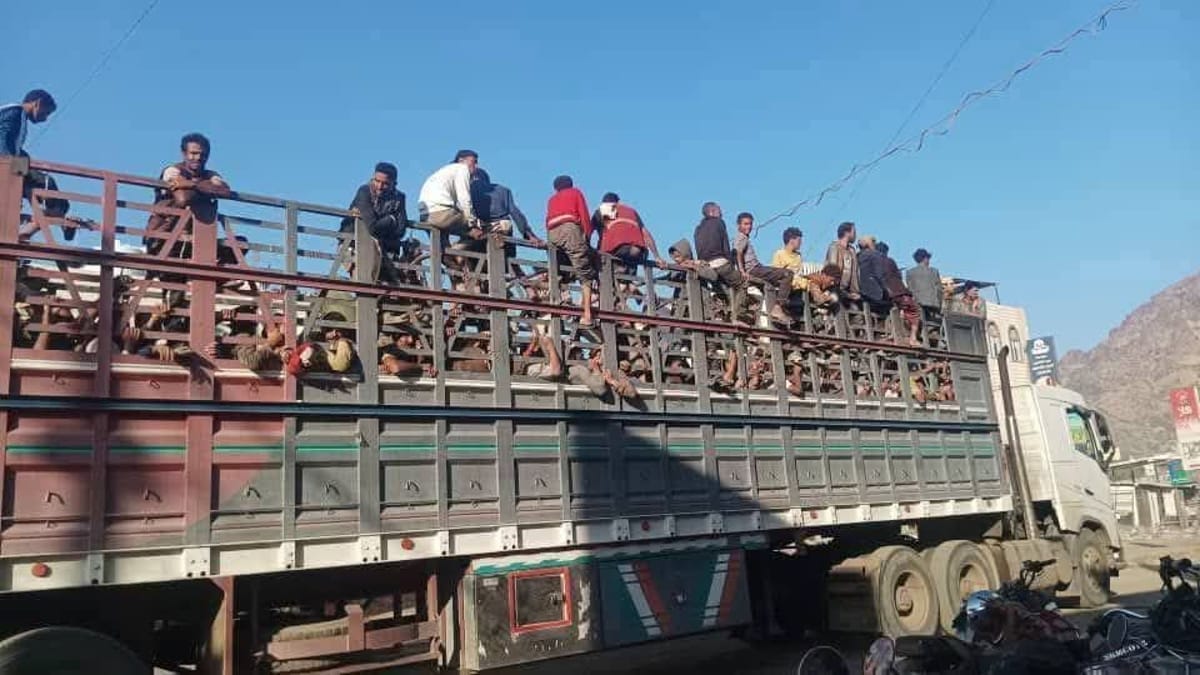
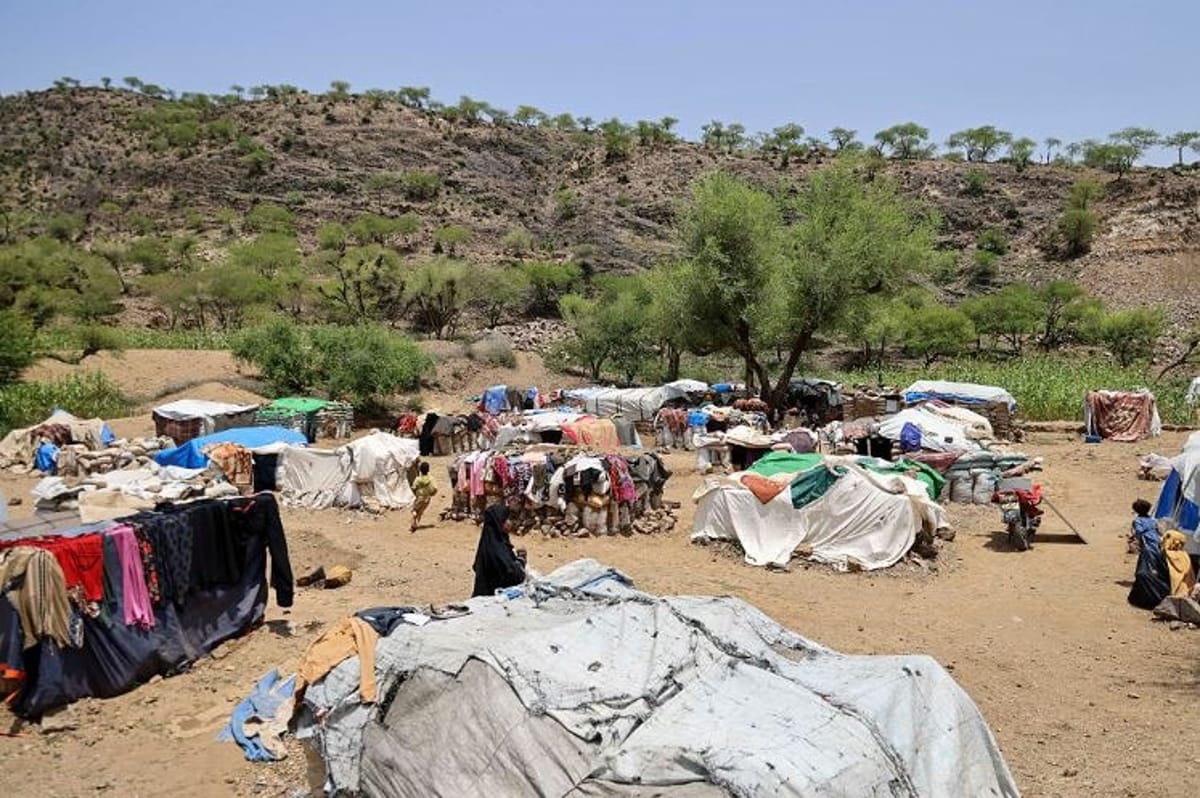
Figures from UN reports reveal the extent of the humanitarian deterioration. Data attributed to the United Nations Office for the Coordination of Humanitarian Affairs (OCHA) indicates that the number of displaced people since last August has exceeded 290,000, signaling an expansion of displacement and increasing pressure on host communities and shelters.
The reports' figures also indicate that more than 1,600 people have been killed and about 75,000 others injured in three months, including a large proportion of women and children, reflecting the scale of the risks civilians face amid ongoing confrontations.
The consequences of displacement are not limited to the loss of homes and income sources; they extend to the deterioration of health and living conditions, especially for the most vulnerable groups, who face shortages of food, medical care, and shelter supplies.
The situation becomes more critical with approximately 600 pregnant women among the displaced, as the health system's ability to provide maternal and newborn care declines. This increases the likelihood of health complications for women and threatens the safety of newborns.
Health Collapse Threatens Women and Children
The deterioration of the health sector is one of the most dangerous aspects of the humanitarian crisis, as the increase in the number of displaced and injured coincides with the declining capacity of medical facilities to respond to growing needs.
Pregnant women face additional challenges related to the difficulty of accessing hospitals and delivery centers, shortages of medicines and medical supplies, and weak primary healthcare services. These conditions make pregnancy and childbirth more dangerous in conflict and displacement zones.
Children also face multiple risks, including malnutrition, diseases linked to deteriorating sanitary conditions and lack of clean water, as well as the psychological and social consequences of losing homes, exposure to violence, and repeated displacement.
In Taiz, Amnesty International has warned of the risk of an imminent humanitarian catastrophe amid the deteriorating conditions for civilians and growing challenges related to protection and access to basic services.
These warnings reflect the widening gap between humanitarian needs and the available response capacity, especially in areas that are difficult to access or where security risks persist.
Displacement Crosses Borders
The repercussions of the humanitarian crisis are no longer confined within Yemen's geography. The deteriorating situation has driven numbers of Yemenis to leave the country by sea towards neighboring countries, seeking safety and opportunities.
UN data in reports indicate that about four thousand Yemenis have arrived in Djibouti since last September, while other estimates mention the registration of about seven thousand refugees, figures that reflect the expansion of displacement and migration linked to the war's consequences.
These movements reveal the transformation of displacement from an internal phenomenon into a cross-border crisis, imposing additional burdens on host countries and presenting Yemeni refugees with new challenges related to housing, food, healthcare, and legal protection.
The risks associated with sea journeys are also highlighted, especially as some of those leaving rely on means of transport that lack safety requirements, making the search for safety fraught with the dangers of drowning and loss of life.
Limited Humanitarian Response to Growing Needs
Amid this deterioration, humanitarian organizations face increasing challenges in reaching affected people and providing necessary aid, due to ongoing confrontations, restrictions on humanitarian work, limited funding, and the expanding scope of needs.
The persistence of these conditions deepens the gap between the amount of aid required and what humanitarian agencies can provide, leaving an increasing number of displaced people and affected families without adequate protection or basic services.
Furthermore, the continued disruption of roads and health facilities complicates the delivery of medical and food aid, making some areas more vulnerable to a worsening humanitarian situation, especially those experiencing confrontations or lacking infrastructure and public services.
A Test for the International Community
These developments place a responsibility on the international community that goes beyond issuing statements of concern and calls for restraint. There is now an urgent need for practical actions that ensure the protection of civilians, facilitate humanitarian access, support health facilities, and provide for the basic needs of the displaced.
Addressing the crisis also requires working to open roads for the movement of civilians and humanitarian supplies, ensuring that civilian objects and medical facilities are not targeted, and holding those responsible for violations accountable under international law.
In conclusion, the humanitarian situation in Yemen reveals a crisis expanding on multiple fronts; from the battlefields to displacement camps, from struggling hospitals to sea migration routes. With continued escalation and a declining humanitarian response, civilian suffering increases, and the chances of containing the consequences diminish.
المصدر: Almahriah Net