Consequences of Continued Houthi Strikes on Saudi Airports

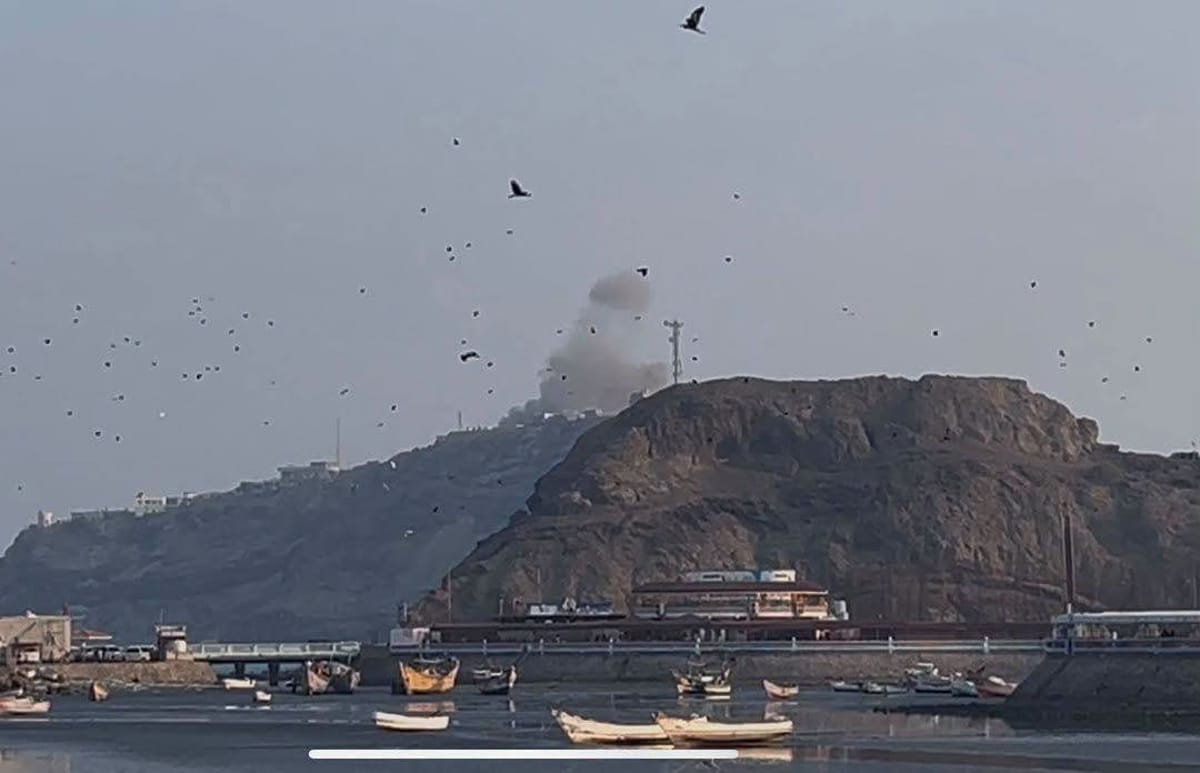
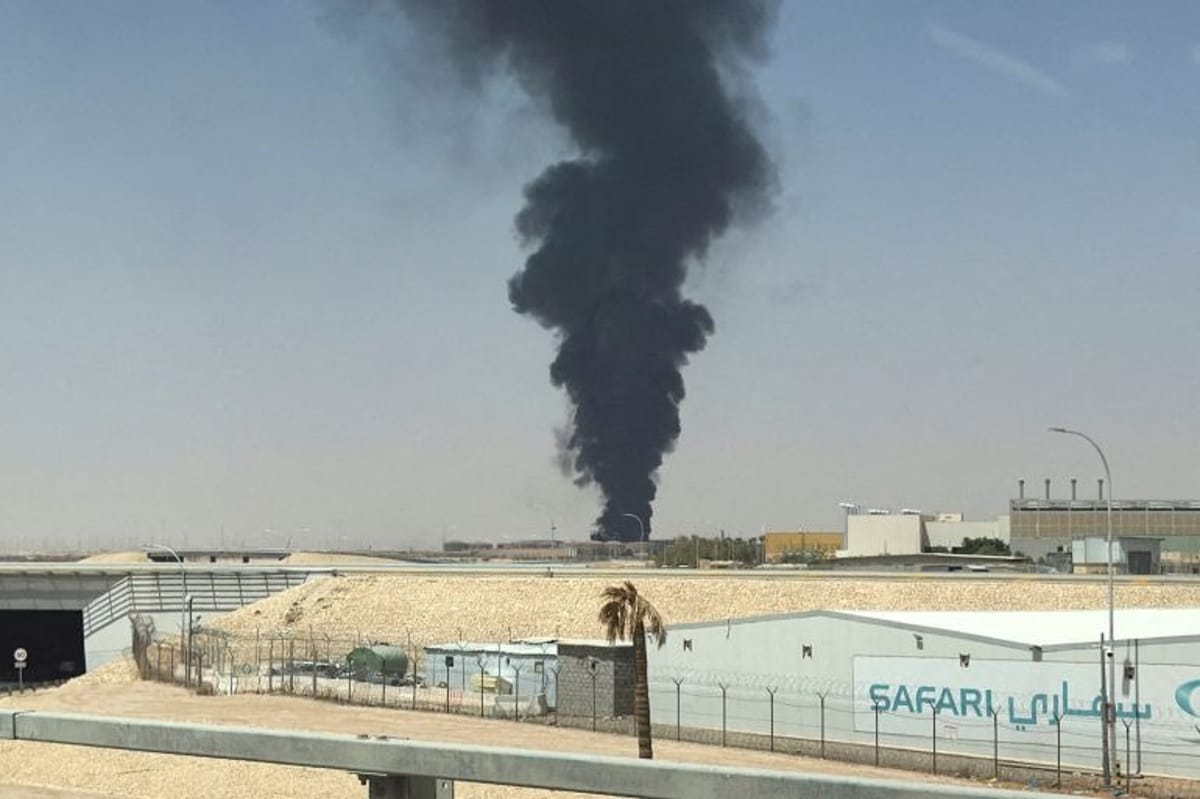
Houthi attacks on Saudi airports and facilities continue, especially King Khalid Airport in Riyadh, which was subjected to two consecutive attacks that killed 13 people and injured more than 320, some in critical condition, according to the Saudi General Authority of Civil Aviation.
This comes as the military situation in Yemen witnesses rapid developments with continued confrontations between government forces and the Houthis on several fronts as part of Operation Fajr al-Yemen (Yemen's Dawn), in which the coalition has announced its participation with air cover.
Murad Al-Arifi, an editor at the Sana'a Center for Strategic Studies, believes that the recent Houthi attacks represent a qualitative shift because, he says, they are no longer limited to military targets but have extended to civilian facilities, including an airport where Arab nationals were killed. He considers this to be against the 'ethics of war' and reflects the group's desire to send security, economic, and political messages to Saudi Arabia.
Al-Arifi says the security message is to cast doubt on the ability of Saudi defense systems to protect vital interests, while the economic message aims to threaten the Kingdom's projects and Vision 2030. Politically, he believes the Houthis seek to transfer the human cost of the war to the Saudi domestic front and push Riyadh to stop its airstrikes.
However, Al-Arifi believes this path could backfire, as he expects Riyadh to respond more harshly, capitalizing on the wave of international condemnations which, in his estimation, provide political cover for any retaliatory strike. He also points out that the joint Egyptian-Turkish statement may open the door for military support from Cairo and Ankara to Saudi Arabia against Houthi attacks.
Al-Arifi rules out the possibility of success for the diplomatic track or Omani mediation after the targeting of ports, infrastructure, and civilian targets, considering that the Houthi group has 'opened fire on everyone.' He warns that threatening navigation in the Red Sea could disrupt a large portion of Saudi oil exports to Asia, raise transportation costs, and pressure the Kingdom's competitiveness in the markets.
He concludes that Saudi Arabia, in his view, will not tolerate the continuation of these strikes and expects a surprising response that also relies on its strategic military relations with Turkey and Pakistan. He adds that direct Turkish intervention, particularly from the Turkish Air Force, could be a game-changer in the course of the war in Yemen.
In its latest announcement about a number of attacks targeting Saudi Arabia, the Houthi group said it will continue its operations in an escalating manner deep inside Saudi territory and is committed to establishing the equation of "siege for siege and escalation for escalation... until the aggression stops and the siege on the Yemeni people is lifted."
The Houthis renewed their warning to all international companies, experts, employees, workers, and travelers from all over the world "against operating flights to Saudi airports because they are unsafe, with the exception of the airports and airspace of the holy sites in Mecca and Medina."
المصدر: Almahriah Net