Isolation Besieges Socotra... Suspended Flights, Rising Costs, and Risks Threatening Travelers
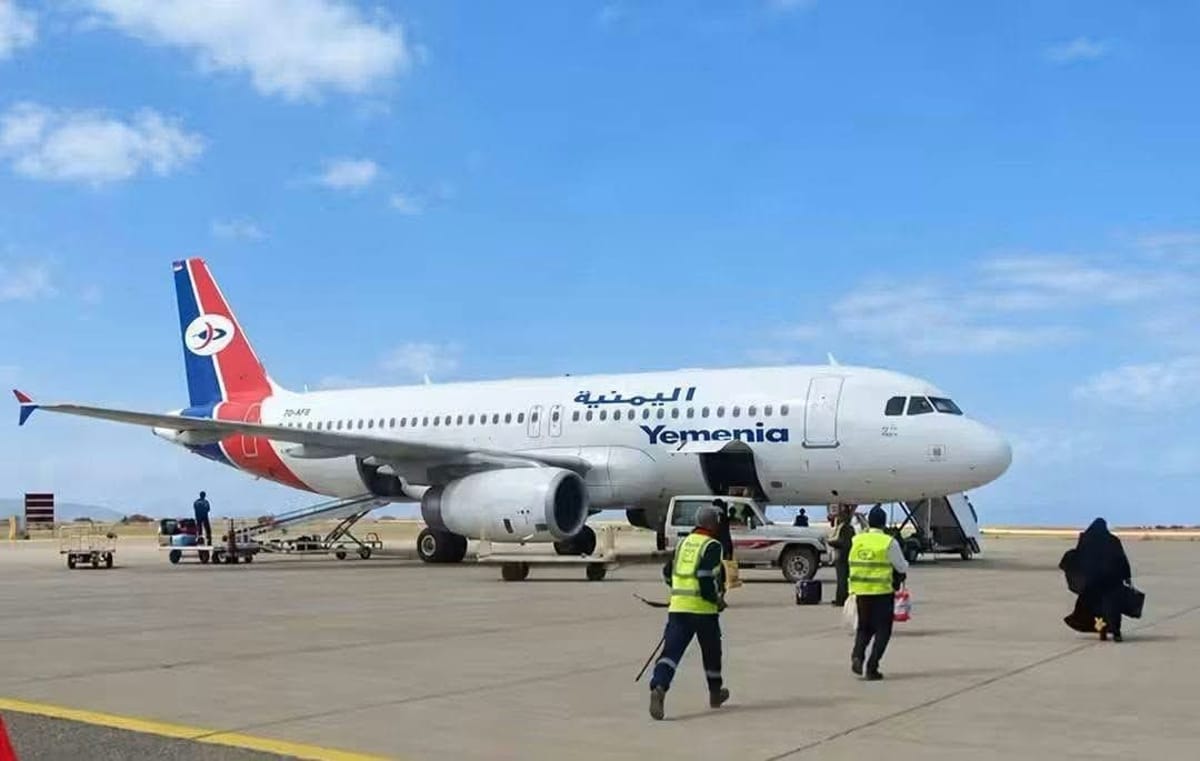
The suffering of the residents of the Socotra archipelago continues due to the disruption of air transport, with Yemenia Airways flights canceled for the second consecutive week. This has reopened the issue of the island's geographical isolation and revealed the extent to which its inhabitants rely on air travel as the safest means of reaching other Yemeni governorates.
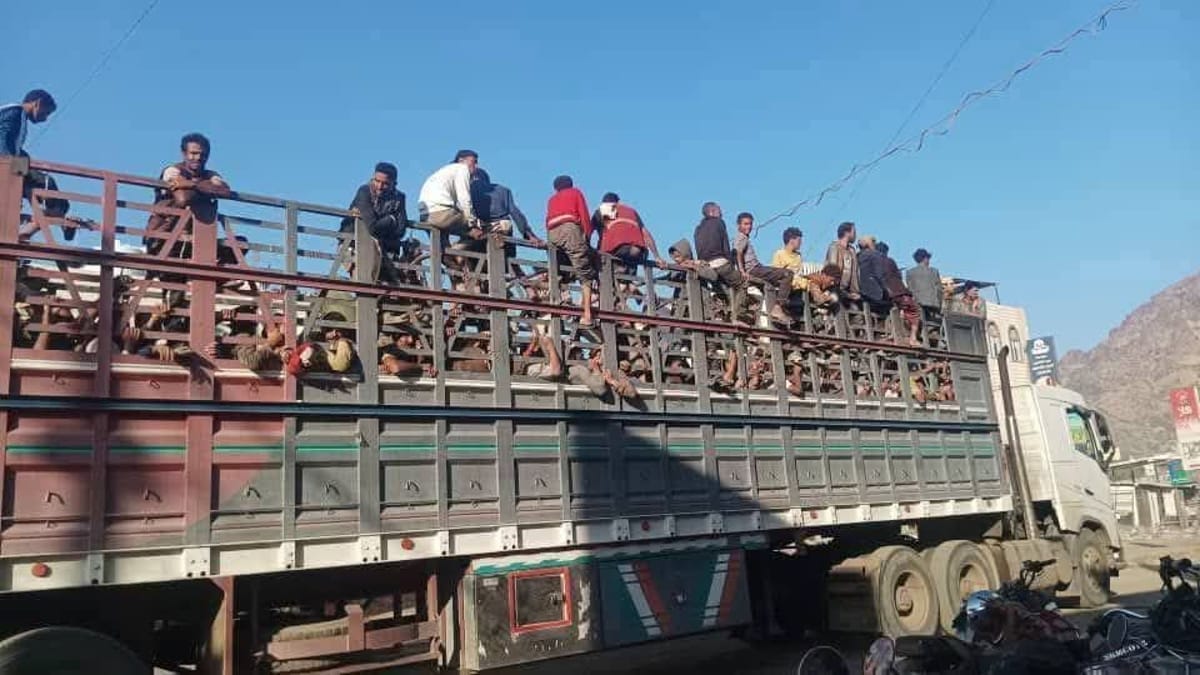
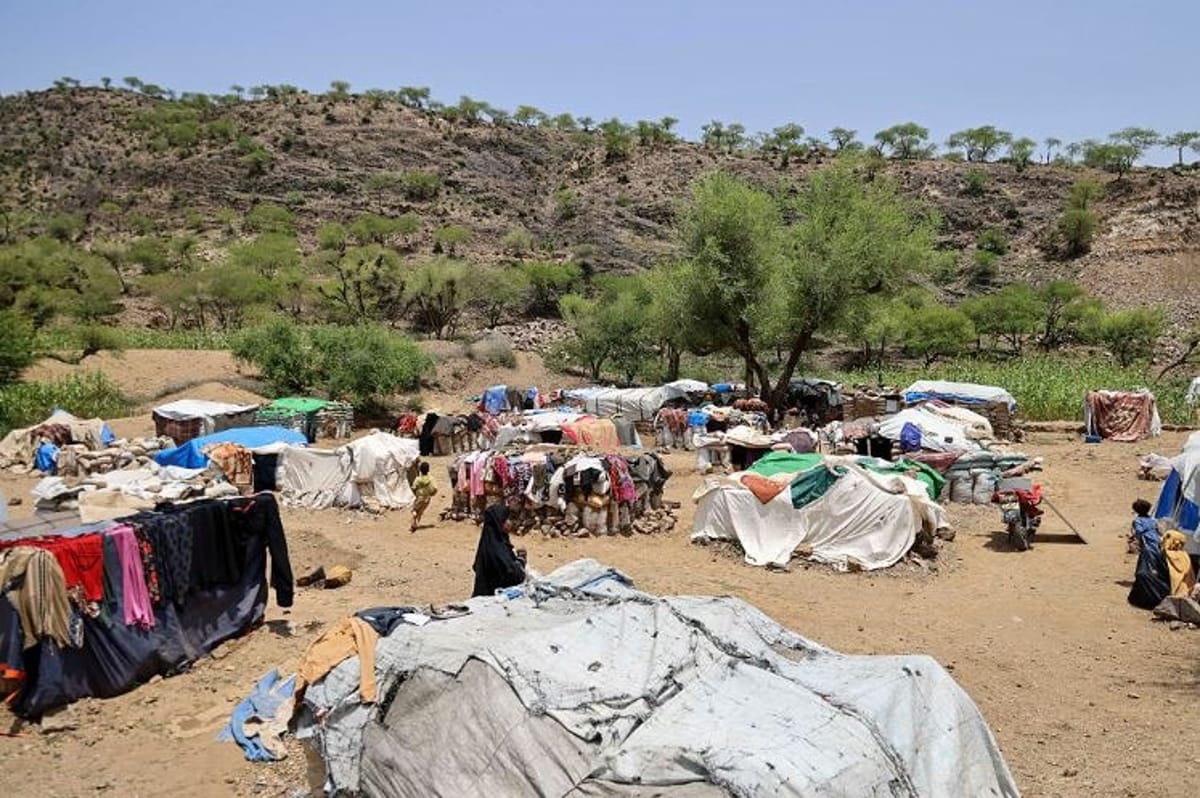
In the absence of safe and regular alternatives, dozens of travelers from Socotra have found themselves stranded in the city of Al-Ghaydah in Al-Mahrah governorate after scheduled flights were canceled. They face increasing financial and living burdens, forced to extend their hotel stays and incur additional costs, in addition to the disruption of their personal, academic, and medical affairs.
The crisis's repercussions are not limited to stranded travelers but extend to a wide segment of the archipelago's population who depend on air travel to reach other governorates, especially patients, students, and employees, given the limited travel options and the difficulty of reaching the island by land.
A Weekly Flight Becomes a Lifeline
The weekly flight operated by Yemenia Airways is an essential link between Socotra and the Yemeni mainland, given the archipelago's geographical location, terrain, and lack of land routes connecting it to other governorates.
With this flight suspended, residents are left with limited options: either wait for flights to resume or resort to sea transport via fishing boats and vessels not designed for passengers, which often lack safety and security requirements.
Unsafe sea voyages have caused tragic drowning incidents in the past, making air travel the safest option for many of the island's inhabitants, especially with turbulent sea conditions and the risks associated with sailing in ill-equipped boats.
Thus, the flight cancellations are not just a disruption to the flight schedule but a crisis affecting the residents' right to movement and access to basic services, reimposing isolation on an archipelago that heavily relies on this vital gateway.
An Accumulated Crisis and Lack of Planning
Speaking to "Al-Mahriah Net," Socotri academic Dr. Ahmed Al-Rumaili said that the air transport crisis in the archipelago is not new but the result of years of neglect, lack of planning, and sustainable solutions, with no clear strategy to ensure the continuity of air traffic and meet the residents' needs.
Al-Rumaili explained that Socotri citizens face great difficulties in obtaining a plane ticket, in addition to its high price, only to be surprised by the flight's cancellation, despite having arranged commitments and appointments based on their travel date.
He added that flight cancellations inflict double suffering on travelers, as some are forced to stay in hotels and bear accommodation and living costs for indefinite periods, while others are compelled to consider traveling by sea, despite the risks surrounding this option.
He pointed out that the crisis's repercussions are not just financial but also affect patients needing to travel for treatment, students enrolled in universities and institutes, as well as academics and employees whose work and commitments are tied to specific dates outside the archipelago.
Al-Rumaili called on the Presidential Leadership Council, the government, and the Ministry of Transport to intervene urgently and implement fundamental solutions that ensure regular flights, reduce ticket costs, and prevent the recurrence of cancellations for which the Socotri citizen pays the direct price.
High Prices and Flights That Don't Meet Demand
For his part, Suleiman Mohammed, a resident of Socotra, told "Al-Mahriah Net" that the archipelago's residents suffer from the high prices of Yemenia Airways tickets, despite the limited number of available flights. He noted that the suspension of flights for the second consecutive week has compounded travelers' suffering and disrupted their daily lives.
He explained that Yemenia Airways, as a national state-owned company, is supposed to fulfill its responsibility to provide continuous, regular, and affordable transport services, especially to areas lacking alternatives, foremost among them the Socotra archipelago.
He pointed out that the single weekly flight does not meet the actual needs of the island's population, given the increasing demand for travel, especially from students, patients, critical medical cases, and citizens attending to their business and interests in other governorates.
He questioned how the population's needs could be met with limited flights, which have now been suspended for two consecutive weeks without alternative solutions to ensure the continued movement of travelers and mitigate the resulting damages.
He also noted that the ticket prices imposed on the people of Socotra represent an additional burden, especially when compared to the travel options available to residents of other governorates, who can use land routes and crossings, while the archipelago's inhabitants remain primarily dependent on air and sea transport.
He stressed that this geographical specificity requires the relevant authorities and the airline to treat Socotra as an exceptional case that demands regular transport services and consideration for the living conditions of its population, rather than subjecting them to conditions that make travel costly and fraught with risk.
Patients and Students Face Isolation
The humanitarian consequences of the crisis are most prominent for patients who need to leave the island for treatment in specialized hospitals and medical centers. Travel delays can complicate their health conditions, especially in cases requiring urgent medical intervention.
Socotri students enrolled in universities and institutes in other governorates also face increasing difficulties due to travel disruptions, causing them to be late for classes, exams, and academic commitments, while many cannot afford additional accommodation costs or alternative transport.
The crisis extends beyond the stranded travelers in Al-Ghaydah to include families awaiting the return of their relatives, employees whose work has been disrupted, and citizens whose interests are tied to specific appointments outside the archipelago.
Under these circumstances, the cancellation of a single flight turns into a crisis with effects lasting for days, perhaps weeks, due to the absence of an alternative transport network capable of safely and regularly accommodating the population's movement.
Temporary Solutions Do Not End the Crisis
The crisis of suspended flights reveals the fragility of the transportation system connecting Socotra to other governorates and the need to move beyond temporary fixes that do not guarantee service continuity, towards long-term institutional solutions.
This places a direct responsibility on the government, the Ministry of Transport, and Yemenia Airways to provide a stable flight schedule that matches the population density and actual needs of the archipelago, in addition to increasing the number of flights and not settling for a single weekly flight that fails to meet demand.
There is also a need to review ticket prices and establish a mechanism that considers the island's specificity and the economic conditions of its residents, while adopting clear arrangements for handling flight cancellations to protect travelers from financial losses and provide them with suitable alternatives.
Developing a safe maritime transport system remains an option that could help reduce complete reliance on aviation, provided that passenger-equipped vessels are available, maritime safety standards are adhered to, and regular routes connecting the archipelago to Yemeni ports are established.
Socotra Left Out of the Equation
The crisis of air flight cancellations brings the issue of the Socotra archipelago's isolation back to the forefront, amid a lack of safe alternatives and poor basic services related to transport and mobility.
For the island's residents, regular air travel is no longer just a standard service request but a necessity linked to their daily lives and their right to healthcare, education, work, and communication with other governorates.
Between travelers stranded in Al-Ghaydah, patients waiting for a chance to travel, and students fearing the loss of their academic year, the suffering remains open to further consequences unless the relevant authorities take action to implement practical solutions that ensure transport continuity and prevent Socotra's geographical location from becoming an additional burden on its people.
On an island with no land routes connecting it to mainland Yemen, the regularity of air flights becomes an urgent necessity, and the responsibility to provide them transforms from a mere commercial service into a national and humanitarian commitment to the people of the Socotra archipelago.
المصدر: Al-Mahriah Net