Escalation Complicates Yemeni Scene.. Are Peace Prospects Fading?
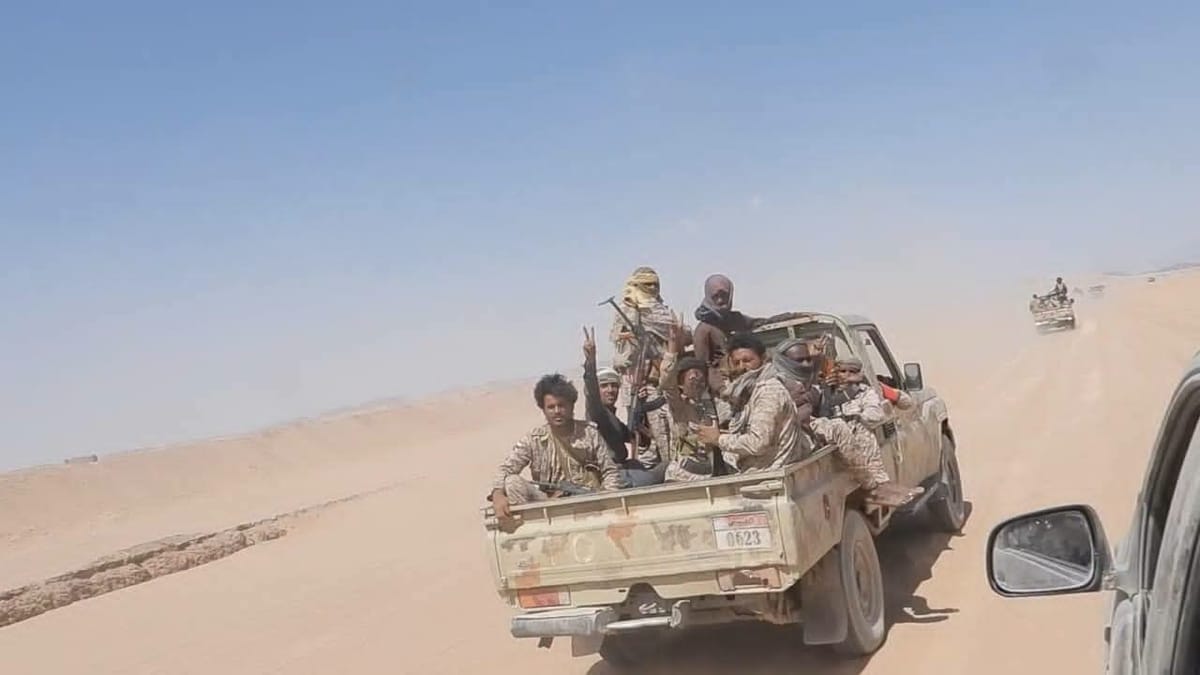
Fears of declining peace prospects in Yemen are growing with the escalation of military confrontation and the widening circle of threats to include Saudi territory, sea lanes, and several Yemeni areas. This scene brings the Yemeni file back into the circle of regional tensions and puts diplomatic efforts to a new test to contain the escalation and prevent the region from sliding into a wider confrontation.
Coinciding with the return of air strikes to the capital, Sana'a, and other areas, and the escalation of missile and drone attacks that the Houthi group claims to be carrying out towards the Kingdom of Saudi Arabia, several Arab and international capitals are witnessing intensive movements and communications to contain tensions, preserve regional security, ensure the safety of sea lanes, and maintain freedom of navigation.
In the latest diplomatic moves, Omani Foreign Minister Badr Al-Busaidi reiterated his country's support for dialogue, emphasizing continued coordination with Yemeni parties to end the conflict and alleviate the suffering of Yemenis.
The Omani position came after telephone talks Al-Busaidi held with his Saudi counterpart Faisal bin Farhan, which addressed the latest regional developments and the importance of continuing diplomatic efforts to contain crises and preserve the security of navigation and sea lanes.
The Saudi Foreign Minister also discussed, during two separate calls with his French and British counterparts, the ongoing attacks on the Kingdom and joint efforts to contain crises and limit their repercussions, in a manner that contributes to protecting the region's security and stability and ensuring freedom of navigation.
These communications reflect the extent of regional and international concern over the widening scope of the confrontation, especially given the threats to energy facilities and critical infrastructure, and the potential for the conflict's repercussions to spill over into sea lanes of strategic importance for international trade.
In the same context, regional and international positions have been issued condemning the Houthi attacks on Saudi territory. The Gulf Cooperation Council, the General Secretariat of the Council of Arab Interior Ministers, and Pakistan have condemned these attacks, affirming their rejection of targeting the Kingdom and holy sites.
The Political Path Faces the Test of Escalation
Despite diplomatic moves, the chances of resuming the political process in Yemen appear limited, given the absence of clear indications of a genuine negotiating track and the continued military escalation on multiple fronts.
In this context, political researcher Yasmine Al-Eryani, Executive Director of Knowledge Production at the Sana'a Center, stated that Yemen is not currently witnessing a genuine political process, despite the continued movements of the UN envoy and his diplomatic contacts. She noted that the chances of reviving the UN roadmap remain limited amidst military and regional developments.
Speaking to the "Mawaqif" program on Al Mahriah TV, Al-Eryani added that the UN envoy's role in leading or shaping a political path at the current stage has become extremely limited. She emphasized that the continuation of tours and contacts does not necessarily imply an open political process or serious negotiations between the parties.
She clarified that the possibility of a new political path emerging remains tied to the nature of internal and regional developments becoming clearer, and whether the next settlement will be based on the current roadmap or require a different formula.
In her analysis of the Saudi position, Al-Eryani considered that Riyadh faces a challenge in how to deal with the continued Houthi attacks on its territory. She noted that continuing to exercise restraint and re-proposing the roadmap could be interpreted as accepting the equation of deterrence that the group is trying to impose.
She suggested that Saudi Arabia might seek to change some of the military balances of power on the ground before entering into any future dialogue with the Houthis, should the political conditions allow.
She stressed that the room for the UN envoy to present new initiatives capable of changing the course of events remains limited, given the trend towards military escalation. She emphasized that the future of the political process will remain tied to the outcomes of the regional and internal confrontation.
Regional Understandings and Their Impact on Yemen
In another reading of the developments, political analyst Hazem Ayyad believes that the future of escalation in Yemen cannot be separated from the course of regional understandings, particularly the US-Iranian negotiations, and whether they lead to de-escalation or a wider confrontation.
In statements to Al Mahriah TV on the "Al-Tasi'a" program, Ayyad said that reaching an agreement between Washington and Tehran would have direct repercussions on the Yemeni file. He explained that one of the Houthi group's gambles is that increased military pressure will preoccupy Saudi Arabia and regional countries with a broader regional confrontation, potentially affecting the nature of support and air cover provided to government forces in Yemen.
He added that any large-scale regional escalation could push the Kingdom to direct a larger portion of its military capabilities toward protecting its vital facilities and interests, which the group could leverage in its military calculations within Yemen.
Conversely, Ayyad noted that a breakthrough in the US-Iranian track could positively impact the Yemeni file and enhance de-escalation opportunities, especially if the understandings are accompanied by broader international and regional moves toward de-escalation.
He highlighted the importance of the upcoming international meetings between US President Donald Trump and his Chinese and Russian counterparts, suggesting that Washington may be interested in creating a calmer regional atmosphere before these meetings, and that a large-scale military escalation would not necessarily serve its diplomatic calculations.
The future of peace in Yemen is linked to several factors, most notably the outcomes of the US-Iranian understandings, the nature of the Saudi response to Houthi attacks, and the ability of international efforts to prevent the confrontation from widening.
Caught between the gambles of escalation and the pursuit of de-escalation, Yemen stands at a highly sensitive juncture. Either regional understandings will open a window to revive the political process, or the escalating confrontation will further complicate the crisis and prolong the war, diminishing the chances of reaching a settlement that ends the suffering of the Yemeni people.
المصدر: Almahriah Net