Scholarships for the Influential: How Study Abroad Programs Became a Gateway for Nepotism
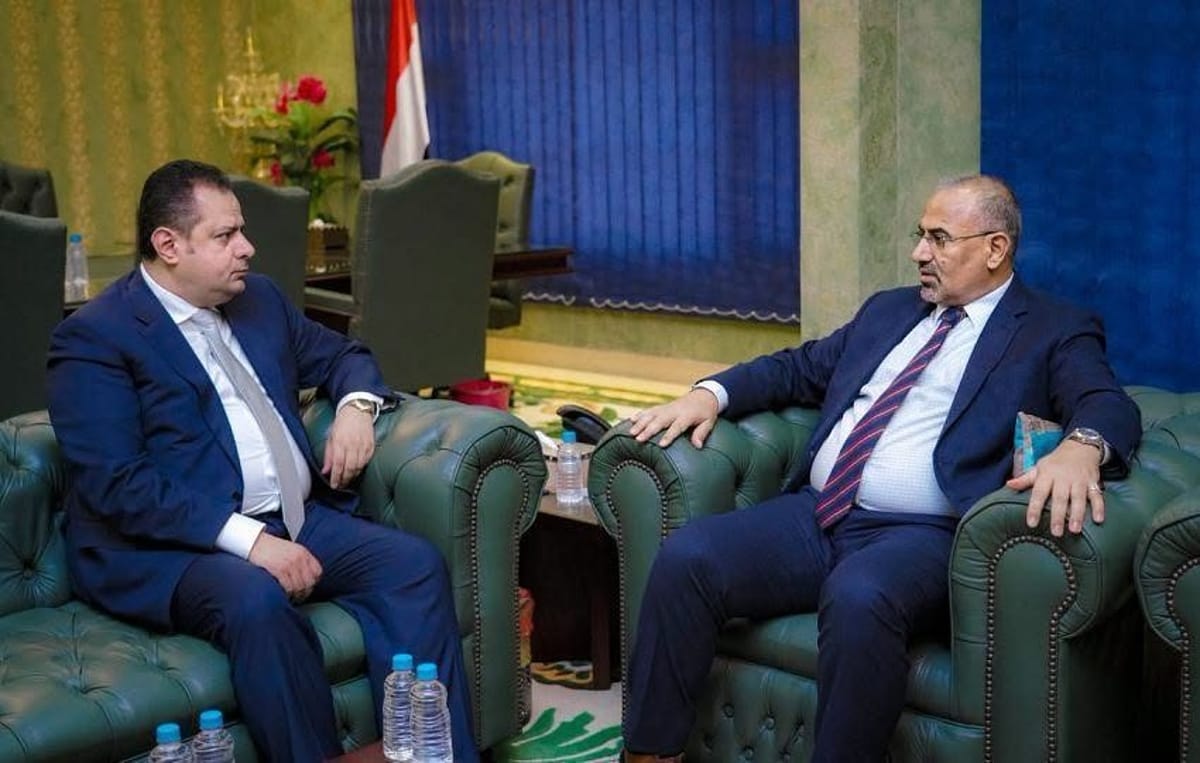
A government report, completed over three years ago and recently resurfaced, has reopened one of the most sensitive higher education files in Yemen, after revealing what it described as widespread imbalances and structural corruption in the management of foreign scholarships and study missions in the years following the relocation of the Ministry of Higher Education to Aden.
The report, issued by a government committee formed by a prime ministerial decree to review lists of scholarship students and selection mechanisms, spoke of a scholarship system based—according to its findings—on nepotism, cronyism, kinship, and political directives. This led to thousands of high-achieving students being deprived of opportunities to study abroad, while spots were given to relatives of officials, influential figures, and students who did not meet the eligibility criteria.
In response, the Ministry of Higher Education rejected the report's findings, stating that it was based on inaccurate data and exceeded the time frame it was assigned to review. The ministry provided a detailed response that it said refutes the report's conclusions with figures and documents.
Report Details Irregularities Spanning Seven Years
The final report of the scholarship student review committee, formed by Prime Minister's Decree No. (39) of 2022 and dated February 27, 2023, did not limit its review to a single academic year. Instead, it examined the entire path of foreign scholarships from the Ministry of Higher Education's move to the interim capital, Aden, in 2016 until early 2023, a period covering the tenures of two ministers of higher education, Hussein Basalamah and Khaled Al-Wasabi.
The report concluded that during this period, the scholarship file witnessed extensive legal, administrative, and financial irregularities. These were represented by the suspension of legal mechanisms governing scholarships, replaced—according to the report—by a system dependent on personal directives, cronyism, and political and regional affiliations, far from the standards of merit and academic eligibility.
The committee confirmed that the Supreme Committee for Scholarships and the executive committees stipulated in the Scholarships and Grants Law No. (19) of 2003 did not fulfill their roles, while scholarship decisions were issued through directives from various political and executive bodies.
Nearly a Third of Scholarships Went to Single Families
Among the report's most prominent revelations was what it described as 'familial monopolization' of scholarships. It documented 508 cases of siblings on scholarships, ranging from two to five siblings within a single family, in addition to 284 families receiving more than one scholarship. The committee considered this an indicator that scholarships had become family privileges rather than a competition based on excellence.
The report noted that some families received a large number of scholarships, while entire public universities received only one spot, a situation the committee viewed as reflecting a significant imbalance in the distribution of educational opportunities.
The report also pointed to the children of some embassy staff and diplomats receiving multiple scholarships, even though the law grants a diplomatic employee only one scholarship for one of their children.
Millions Added Through Directives from the Influential
One of the most controversial issues was what the report termed 'random additions,' detailing the inclusion of hundreds of names outside the official merit-based lists, based on directives from officials and influential figures.
According to the report, the year 2018 alone saw the addition of 1,565 students to the scholarship lists, at a financial cost of millions of dollars, while the third quarter of the same year recorded the addition of 585 students at once, with an annual cost exceeding four million dollars.
The report indicated that these additions were based on dozens of directives from the former prime minister, the then vice president, the presidency, the minister of higher education, his deputy, the undersecretary for scholarships, as well as governors, ambassadors, and other entities.
The committee considered this mechanism to have emptied the merit-based system of its substance, allowing names to be passed through outside of the legal competition.
Scholarships for Locally Available Specializations
The report also criticized the allocation of millions of dollars to send students for specializations available in Yemeni universities, such as Arabic language, history, Islamic studies, and Quranic sciences, at an annual cost exceeding $1.7 million.
The report highlighted what it described as bizarre cases, including sending students to study Arabic in non-Arab countries like India, Malaysia, and Pakistan, and sending students to study English in Russia, Morocco, and Tunisia, in addition to dispatching a student to study fish production in Egypt.
The report viewed these choices as a waste of public funds, given the country's need for rare scientific and technical specializations.
Low Grades and Incomplete Documents
The report recorded violations related to admission criteria, noting the absence of a clear minimum for high school grade averages, which allowed students with averages in the sixties, seventies, and even fifties to receive scholarships, including some for medical and engineering specializations.
The committee also identified cases of scholarships granted without complete official documents, including files lacking high school certificates or graduation documents, in addition to detecting cases of forgery in directives and high school results, some of which were referred to the Public Funds Prosecution and Court in Aden.
The report accused the ministry of not announcing a number of cultural exchange scholarships, including those for Cuba, Poland, and Pakistan, as well as scholarships from Al-Azhar University, which it said were distributed by direct order without public announcement or open competition.
It also criticized the high tuition fees paid by the state in some countries, especially Egypt, which—according to the report—received the largest share of foreign scholarship fees.
The report also spoke of the weak administrative structure of the scholarship sector after the ministry's move to Aden, noting that work began with a very limited number of employees, amidst the absence of an electronic database and a unified system for managing student files.
It also pointed to the existence of officials holding senior positions within the ministry without actually performing their duties, while continuing to receive administrative privileges.
Ministry of Higher Education: The Report is Inaccurate
In response, the Ministry of Higher Education and Scientific Research rejected the report's findings, confirming that in October 2023 it had prepared an official response supported by documents and digital data, which argued that the report contained inaccurate information and was marred by several methodological and procedural violations.
The ministry said the committee exceeded its scope of work by expanding its review to files spanning more than ten years, although its mandate—according to the ministry—was limited to reviewing the 2021-2022 academic year.
It added that the committee relied on unofficial sources and employees whose services had been previously terminated, without consulting the relevant departments or official records.
The ministry denied the accuracy of the figure regarding 508 cases of siblings, asserting that the actual number from 2012 to 2022 was only 234 cases, distributed among various government ministries and institutions, not just the Ministry of Education.
It also affirmed that the 'random additions' ceased in 2022, and the number of students on tuition-fee scholarships decreased from about 2,000 in 2018 to only 384 in 2022, coinciding with a reduction in the budget for financial aid by more than 50%.
The ministry pointed to the implementation of an electronic system for merit-based selection and examinations in the liberated governorates, stressing that the new system has enhanced transparency and directed most scholarships toward scientific and medical specializations.
Why Did the Report Remain Shelved?
Beyond the debate over the numbers, the timing of the report's circulation raised questions about why no government action was taken after its completion in 2023.
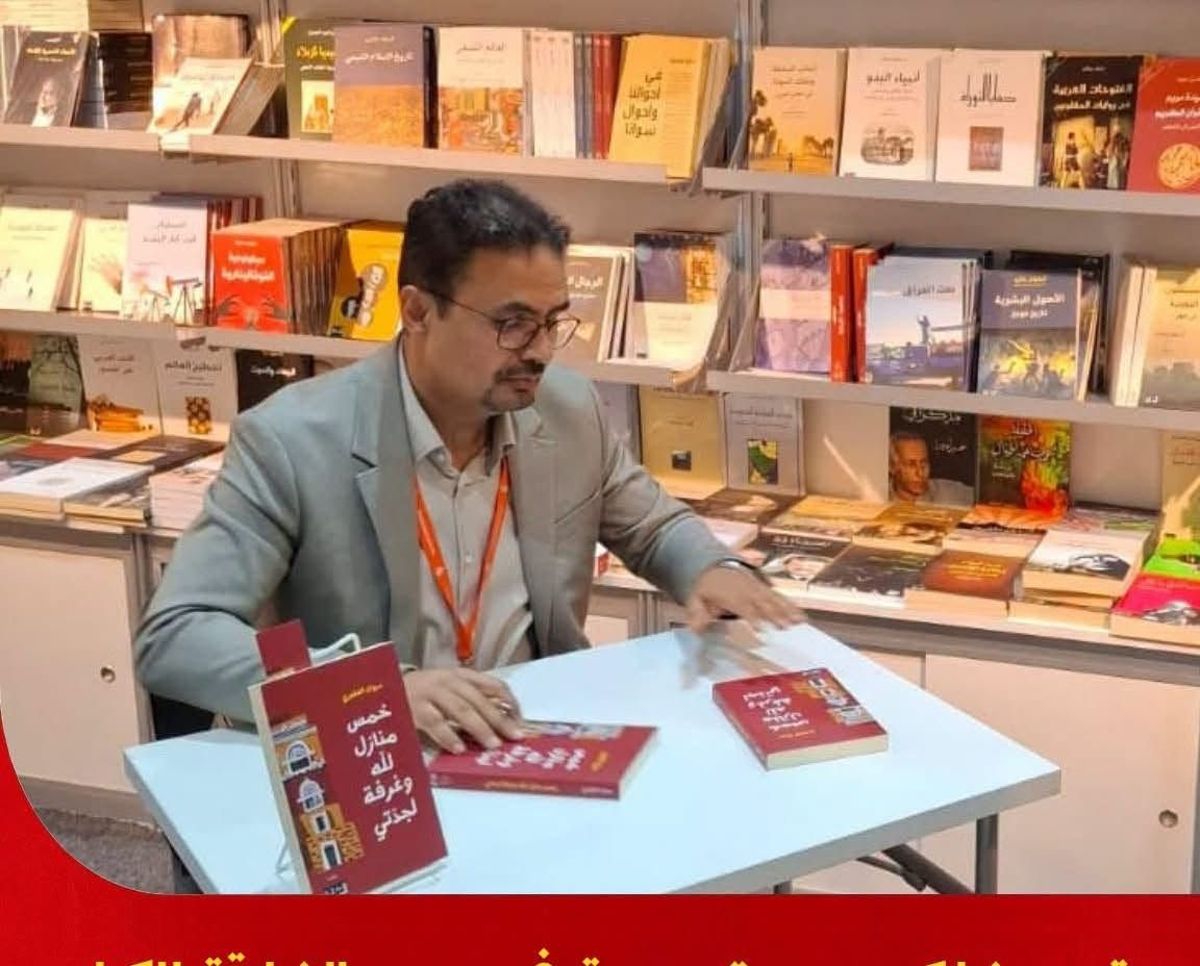
Writer Nashwan Al-Othmani said the committee submitted the report to the Prime Minister, accompanied by over 800 pages of documents and evidence, and was preparing to present it in an extraordinary cabinet session. However, the session was never held, and the report was not officially discussed before the entire file was shelved without accountability or referral to the judiciary.
He added that the then-prime minister handed a copy of the report to the Minister of Higher Education, even though the report documents irregularities that occurred during his tenure, which the committee considered a departure from the institutional process that should have first presented the report to the cabinet to take necessary action.
Al-Othmani suggested that the recently circulated version of the report came from the office of the former Presidential Leadership Council member, Aidarous Al-Zubaidi, who had obtained a copy of the report last year without the supporting documents, stressing that the case has yet to see any government action commensurate with the facts contained in the document.
Calls for Accountability and Reopening the File
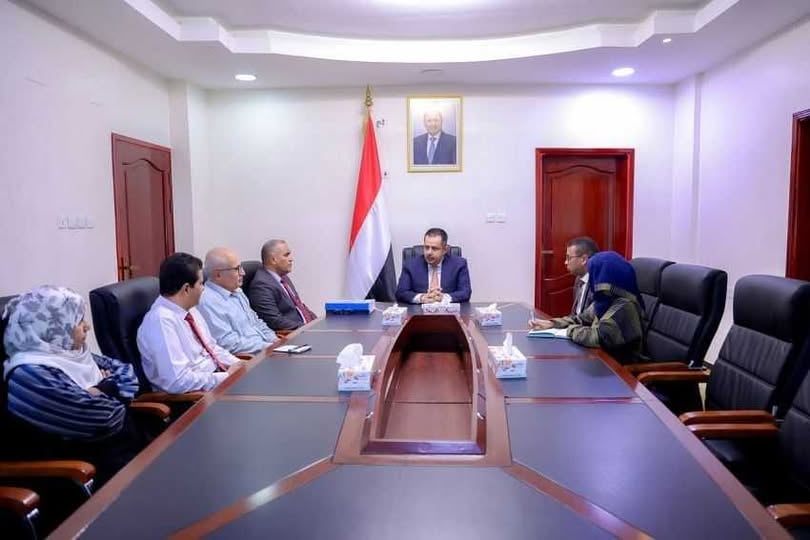
The report has reopened the debate on the future of the scholarship file, amidst growing calls not just to accept the committee's findings, but to proceed with broader investigations covering all scholarships granted in recent years and to hold those responsible for any proven violations accountable.
Writer and political analyst Abdulsalam Mohammed believes that the report, despite its content, does not cover all stages of the violations. He stressed the need to form a new investigation committee to conduct a comprehensive review of all scholarship files, not just the lists covered in the report. He asserts that some families—according to his information—resorted to hiding their real names to acquire more scholarships, while deserving students were denied opportunities in favor of influential figures or those close to decision-making centers.
Mohammed goes on to say that what happened is not limited to administrative errors within the Ministry of Higher Education but reflects a shared responsibility of leaders and entities that issued directives outside the legal framework. He called for referring all involved parties to the judiciary and recovering public funds spent in violation of the law.
Scholarships: Between Merit and Nepotism
For his part, academic Abdulrahman Mohsen Abdullah Al-Mahrabi believes that the report's findings must be treated with the utmost seriousness, as scholarships represent a right for deserving students, not a privilege granted based on kinship or influence.
He emphasizes that any violation of scholarship criteria not only deprives a student of an educational opportunity but also harms the country's future, as higher education is the cornerstone for preparing national talent. He called for a comprehensive review of scholarship mechanisms, opening the files with transparency, and holding accountable anyone proven to have committed violations, thereby restoring confidence in the principle of equal opportunity and safeguarding public funds.
The report, despite its recent resurfacing, remains one of the most debated official documents regarding the management of the scholarship file in Yemen. Meanwhile, demands are escalating for an independent investigation, a resolution to the controversy through a comprehensive and transparent review of all scholarship files, and accountability for any proven violations, to restore trust in one of the most crucial files linked to the future of education and national talent.
المصدر: Almahriah Net + open sources