One Month of Total Siege: Living Conditions in Taiz City
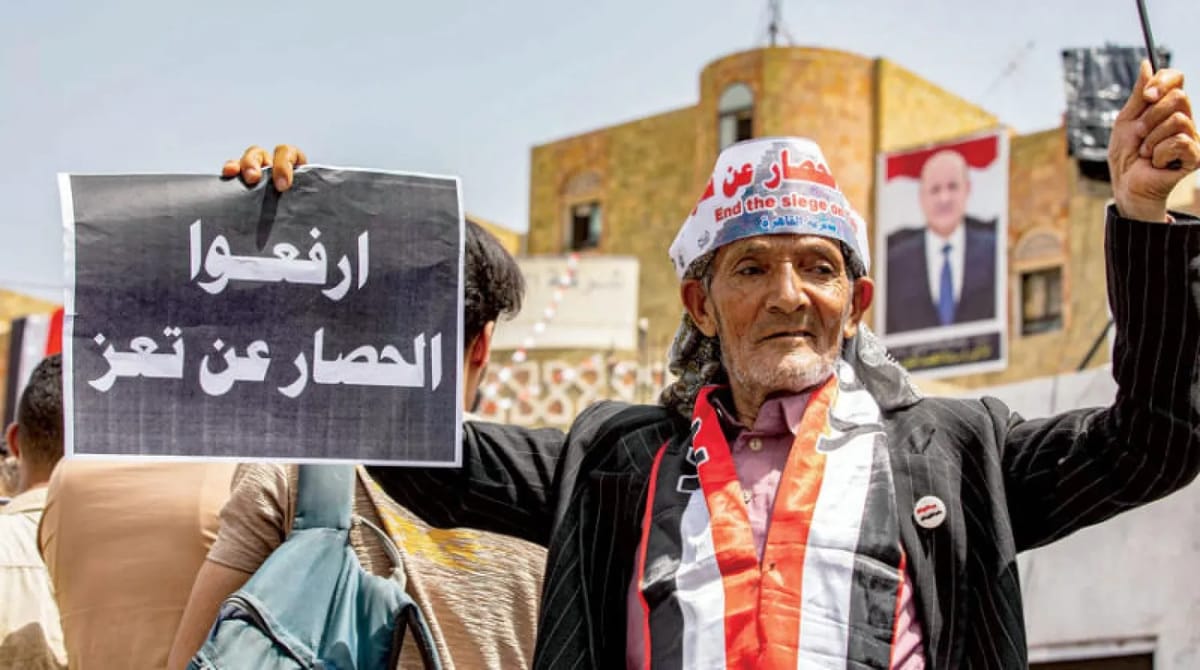
Since 2015, the city of Taiz has been suffering from a siege and strict restrictions on its roads and access points, imposed by the Houthi group. Its southwestern crossing was opened in 2016, via the Al-Dhabab, Al-Turbah, and Hayjat al-Abd road, connecting it to the southern governorates, primarily Aden, becoming a main artery for the arrival of goods and supplies.
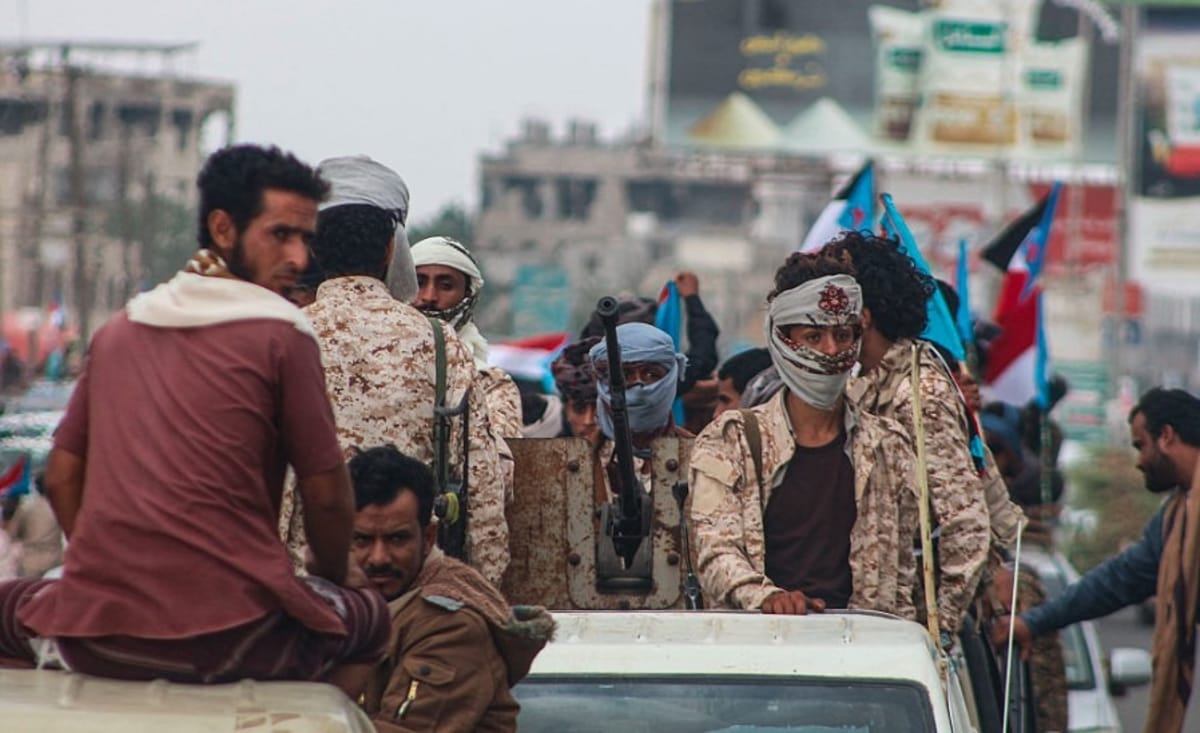
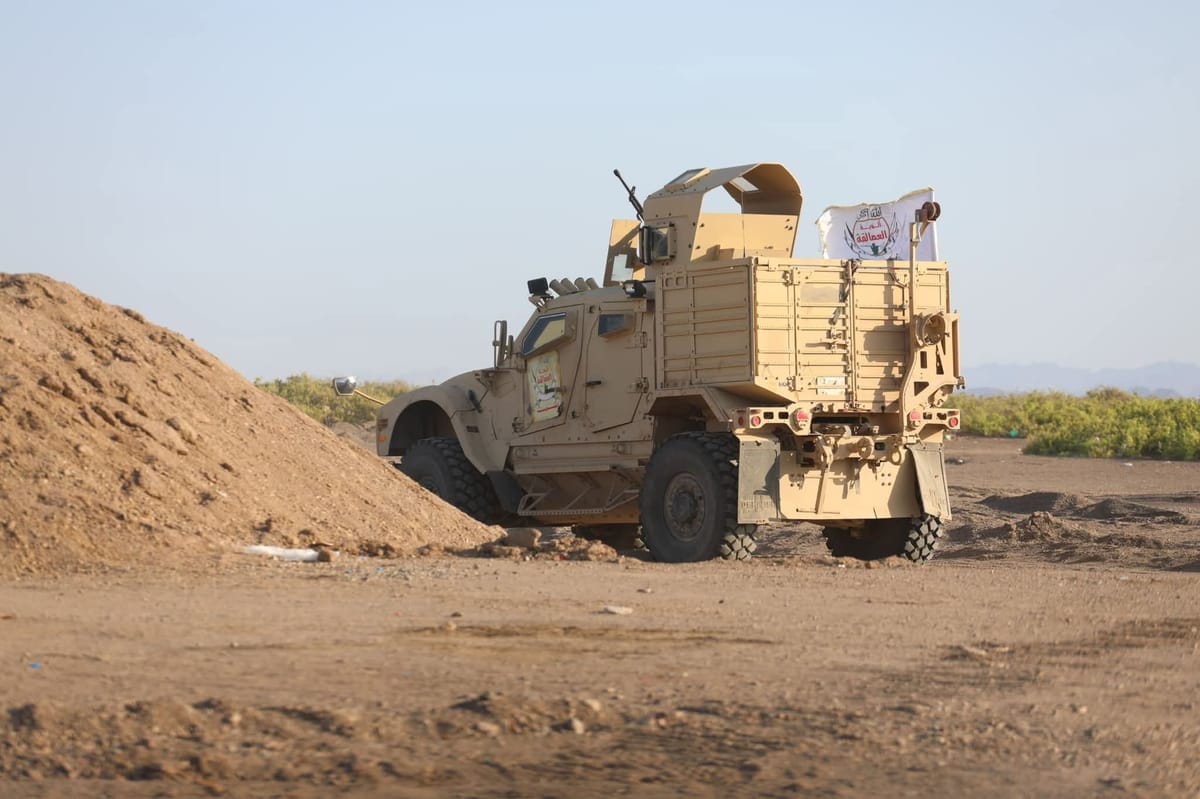
However, recent military developments last October, starting with the Houthi group's capture of Al-Turbah city on October 4, and culminating in their control of the Al-Hanjar checkpoint at the city's western entrance on October 14, along with the disruption of the Hayjat al-Abd road and the closure of other crossings, have returned Taiz to a state of isolation and total siege, amidst a sharp decline in the arrival of supplies and a worsening humanitarian and living crisis for about one and a half million people.
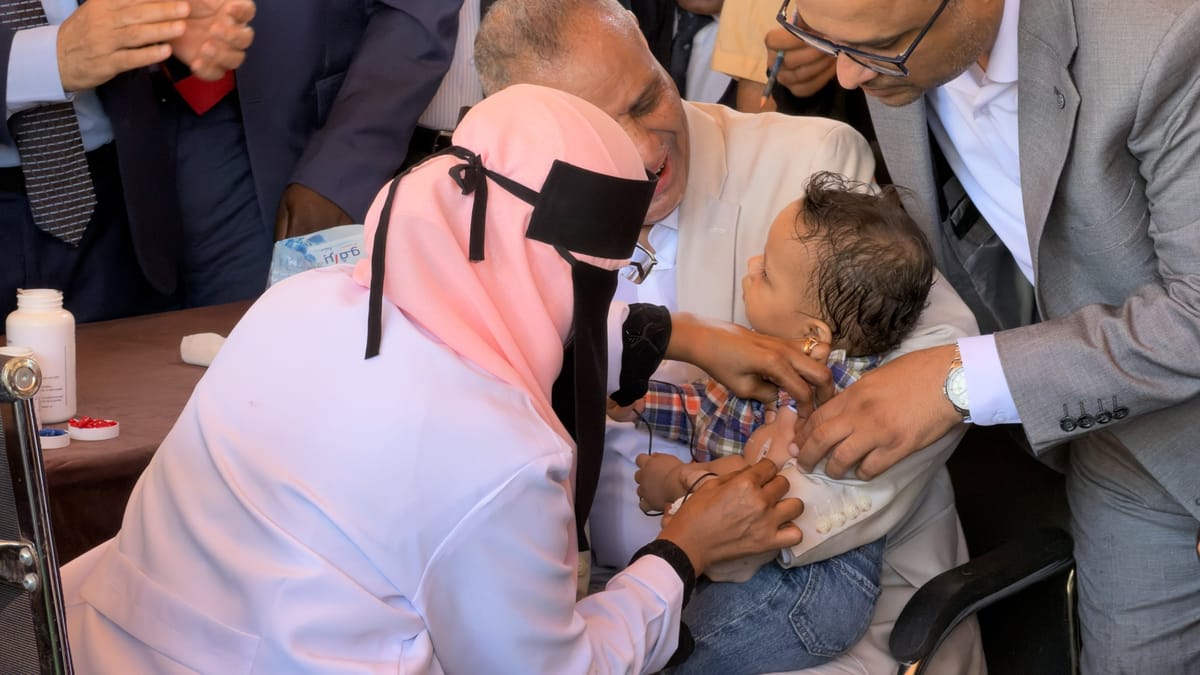
In an indicator of the scale of the crisis, the governor of Taiz, Nabil Shamsan, said that the available food and medicine stocks only cover 10% of the population's needs. This was stated during a meeting with government officials and representatives of the United Nations and humanitarian organizations to discuss the food security situation and supply stocks in the governorate.
These developments coincide with human rights warnings of a worsening humanitarian crisis, as Human Rights Watch renewed its call on November 10, 2026, for the Houthis to lift the siege and open roads for essential supplies and humanitarian aid.
It noted that the 11-year-long siege has seen an escalation in the past month, and that depriving civilians of food, water, and medicine could amount to a war crime.
Increasing Living Burdens
As the siege continues, the daily burdens on the population are increasing, amid rising food prices, a shortage of some basic necessities, and a decline in commercial and service activities, according to local testimonies.
In this context, Umm Abdullah (40), a resident of Taiz city, says, "Living conditions have become extremely difficult due to the tightening of the siege and the prevention of entry for many basic necessities."
She added to "Al-Mahriah Net" that "food prices have doubled, while obtaining cooking gas has become extremely difficult, noting its unavailability at official stations and the difficulty of getting it on the black market, where the price of a single cylinder ranges between 30,000 and 40,000 riyals."
She explained that "some families have resorted to using stoves that run on burnt black oil to cook food, while other families have turned to bakery owners who use firewood, for a nominal fee."
Umm Abdullah concludes her talk by expressing her hope that the siege on the city will be lifted and basic necessities provided, saying: "We hope the siege on Taiz will be lifted, that the necessities of life will be available, and that we can feel safe, far from the sounds of shells and bullets."
Three Major Shifts
For his part, journalist Mohammed Al-Wajeeh believes that "the living conditions in Taiz over the last month have revealed three major shifts, which were not present on this scale before the tightening of the siege on the city and the villages of Jabal Sabir."
He explained to "Al-Mahriah Net" that "the first shift is the transition from rising prices to the absence of some goods, pointing out that markets appear full of products on the surface, but the quantities available to merchants have become limited, and many of them are relying on their last stocks, which warns of greater risks if supply restrictions continue."
He added that "fuel and petroleum derivatives are among the most affected materials by the crisis, despite their importance in operating hospitals, services, and transportation, while cooking gas has become almost non-existent, prompting residents to resort to other alternatives that may carry health and environmental risks."
The second shift, according to Al-Wajeeh, is the collapse of the population's purchasing power, as the problem is no longer limited to low salaries and incomes, but these resources have become unable to keep up with the increasing rise in prices.
He noted that "an average family that used to spend about 200,000 riyals per month on food now needs nearly 500,000 riyals to provide the same items."
He pointed out that government employees and military personnel have been suffering from interrupted and irregular salaries for months, while the repercussions of the siege have extended to self-employed individuals and farmers in the villages of Jabal Sabir, whose agricultural activities have been harmed by military operations approaching their lands, resulting in damage and contamination of some crops, according to him.
The third shift, according to Al-Wajeeh, is the expansion of the black market, turning it into a primary outlet for obtaining basic necessities, given the difficulty of supply arrivals and the declining availability of some goods through usual sales channels.
He cited as an example the rise in the price of a water tanker from about 20,000 riyals to 60,000 or more, a gas cylinder from 9,000 to 40,000 riyals, and a bag of flour from 35,000 riyals to 50,000 or more, in the new currency.
Al-Wajeeh attributed these increases to the complexities of transportation and supply, explaining that the arrival of goods from Aden to Taiz now faces great difficulties, with traders forced to take long, mountainous roads that take about eight hours, in addition to multiple collection points that raise transport costs, which ultimately reflect on the prices of goods borne by the consumer.
In conclusion, Al-Wajeeh noted that the deterioration of purchasing power has pushed many families to rely on their savings and sell their belongings, while other families have been forced to wait for food aid to secure their basic needs, considering this continuous depletion of family resources to be the most dangerous consequence of the total siege.
Repercussions Beyond Living Conditions
For his part, Abdulrahman Al-Adaini, the neighborhood chief of Al-Dharba in Jamal Street in central Taiz, says that the tight siege imposed on the city by the Houthi group for over a month has negatively impacted the lives of residents and exacerbated their suffering.
He added to "Al-Mahriah Net" that "living conditions have become extremely difficult, with life coming to a standstill, a lack of job opportunities, and rising unemployment rates, alongside the high prices of food, cooking gas, and all petroleum derivatives."
He explained that a gas cylinder, which cost about 10,000 riyals before the siege, is now being brought from Houthi-controlled areas at high prices, after it used to reach the city from Aden.
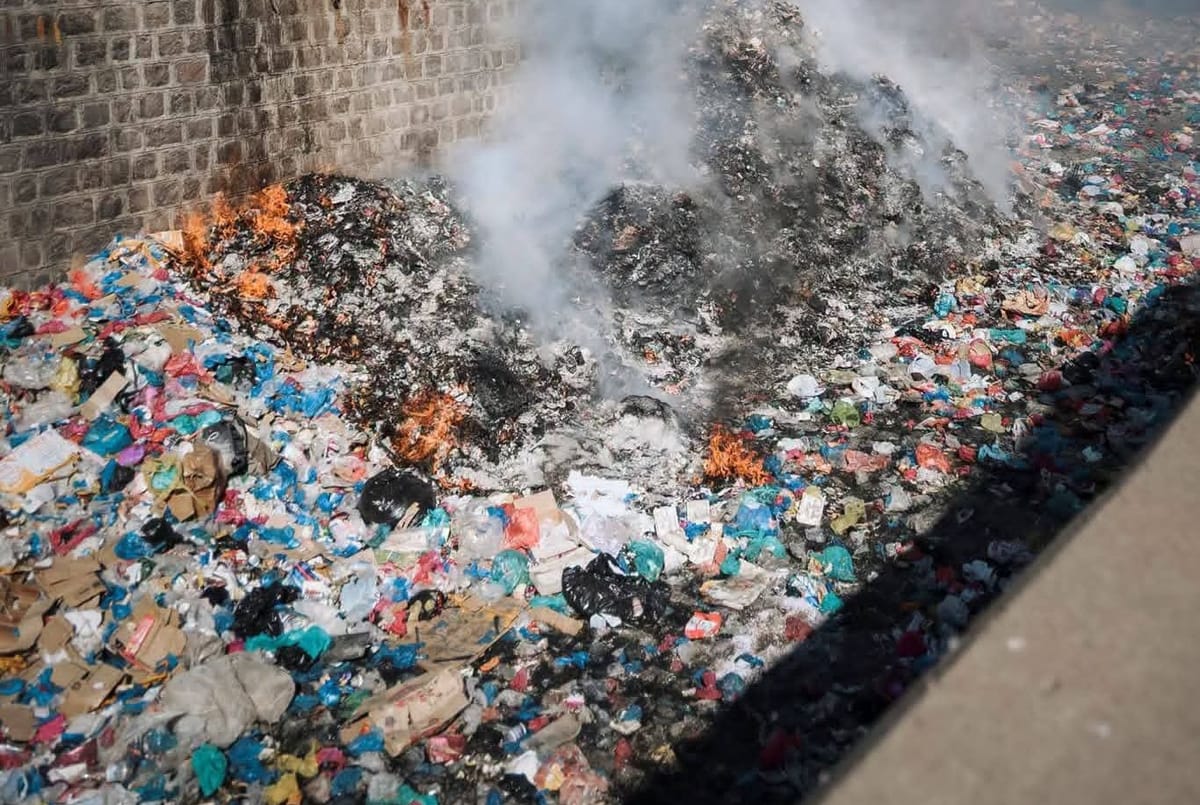
Al-Adaini pointed out that "the restrictions on the entry of medicines, along with the prevention of waste removal from the city to its dump in the Al-Saleh gardens, have contributed to a worsening health situation and raised fears of the spread of diseases and epidemics among the population."
He stressed that "the siege has had wide-ranging repercussions affecting all citizens," concluding his remarks with a prayer that the suffering of the residents will be eased and that victory will be achieved for the army and the resistance.
المصدر: Al-Mahriah Net