From Taiz to Aden.. Houthi Escalation Opens the Door to a Wider Regional Confrontation
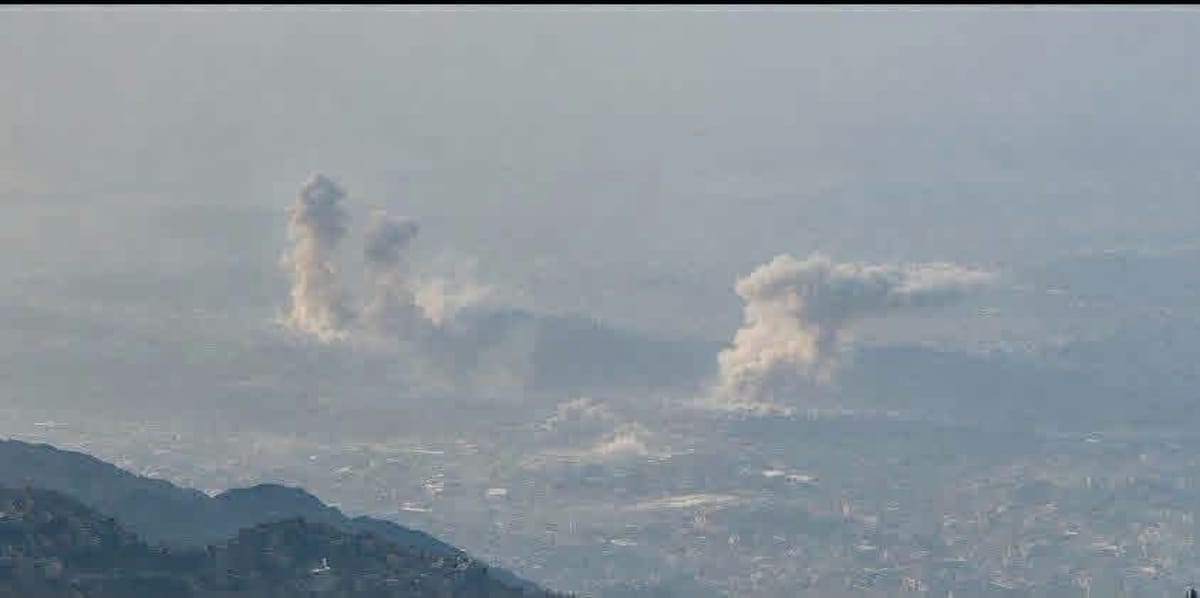
Military escalation in Yemen continues with intensified clashes in Taiz, the targeting of Aden, and growing regional movements related to the security of Saudi Arabia and the Red Sea, amid fears of a widening conflict.
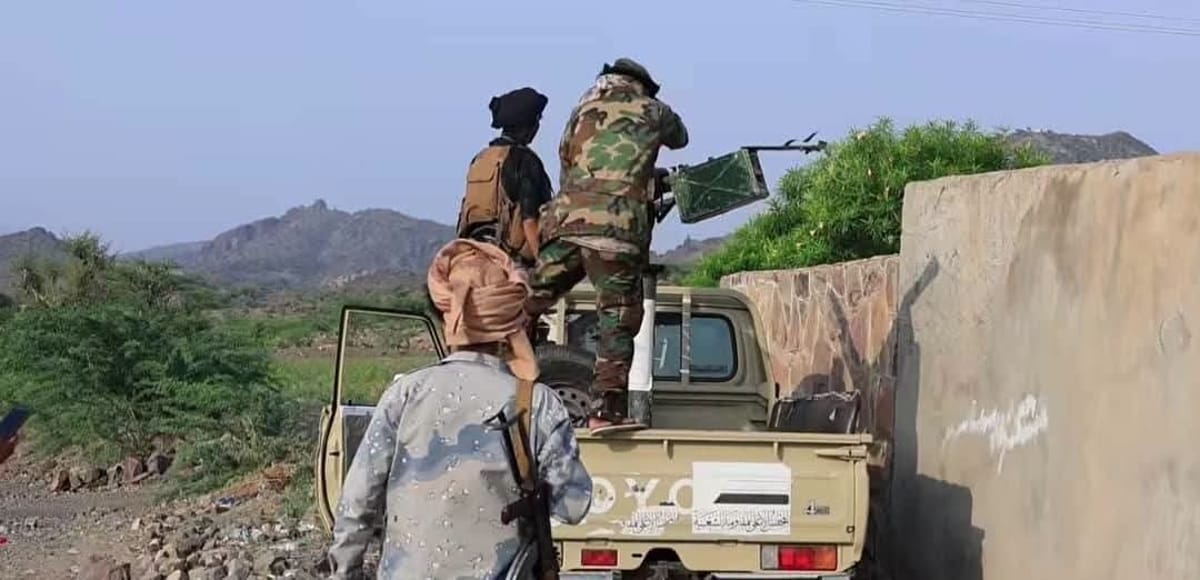
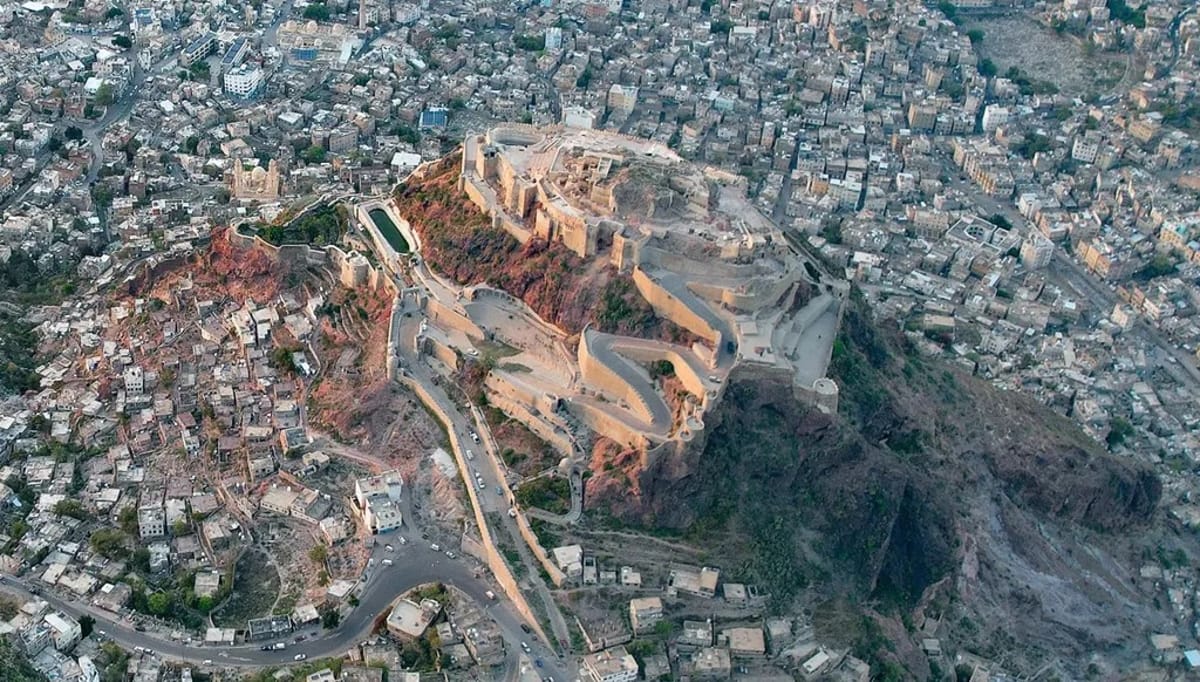
In Taiz governorate, government forces announced they had repelled attacks by the Houthi group on the Al-Shaqab fronts southeast of the city and other areas in the west of the governorate, coinciding with airstrikes targeting the group's positions on several fronts.
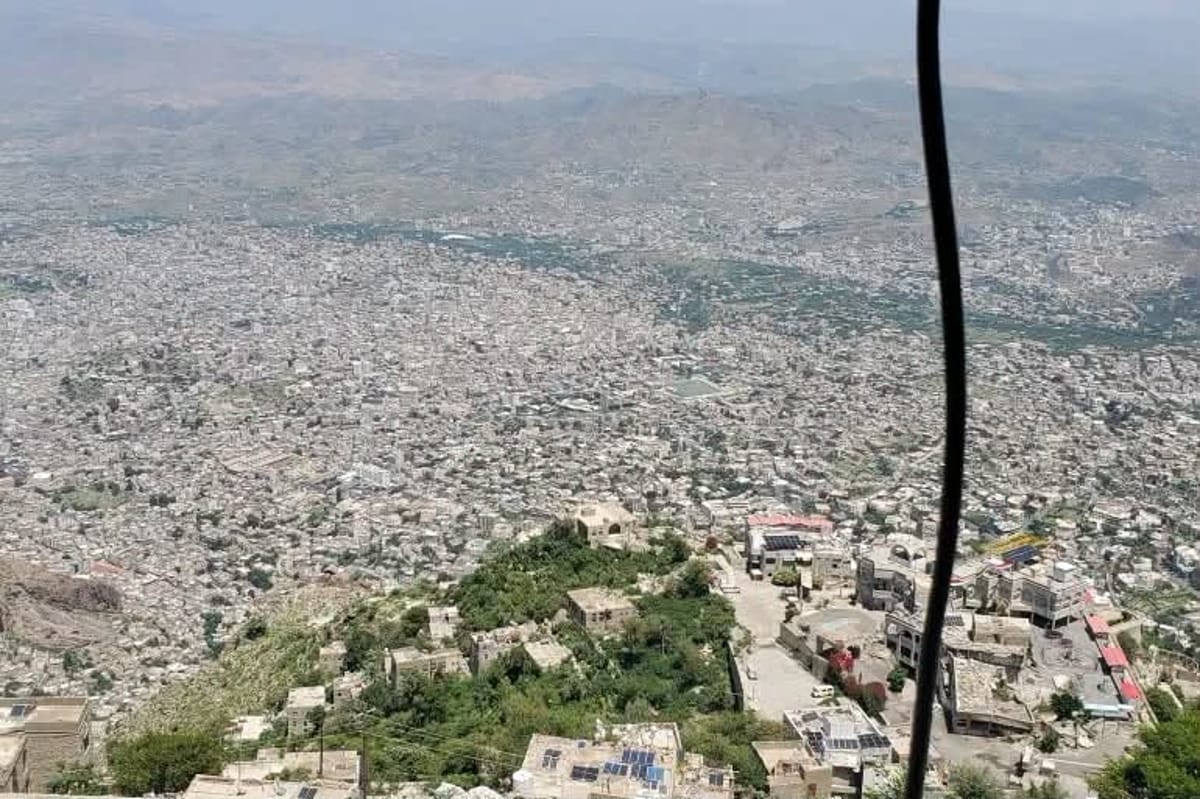
In the Maqbanah district west of Taiz, the local authority condemned a Houthi shelling that targeted the Qarn area in Jabal Himyar, noting that the initial toll was eight dead, including women and children, and six wounded.
In a related context, the coalition announced it had carried out operations targeting naval vessels and transport vehicles it said were used for smuggling weapons across the Red Sea, amid rising concerns about the security of navigation and vital maritime corridors.
Potential Egyptian Moves
In a notable political development, Egyptian President Abdel Fattah el-Sisi called for an emergency session of parliament to grant him authorization to take defensive measures for Saudi Arabia, a move reflecting Egypt's growing interest in regional security developments.
Military expert Dr. Mohammed Al-Muqabala said that Egyptian rhetoric has seen a noticeable shift in recent days, starting from the Foreign Minister's statements about readiness to defend, even using military force, to Sisi's recent positions.
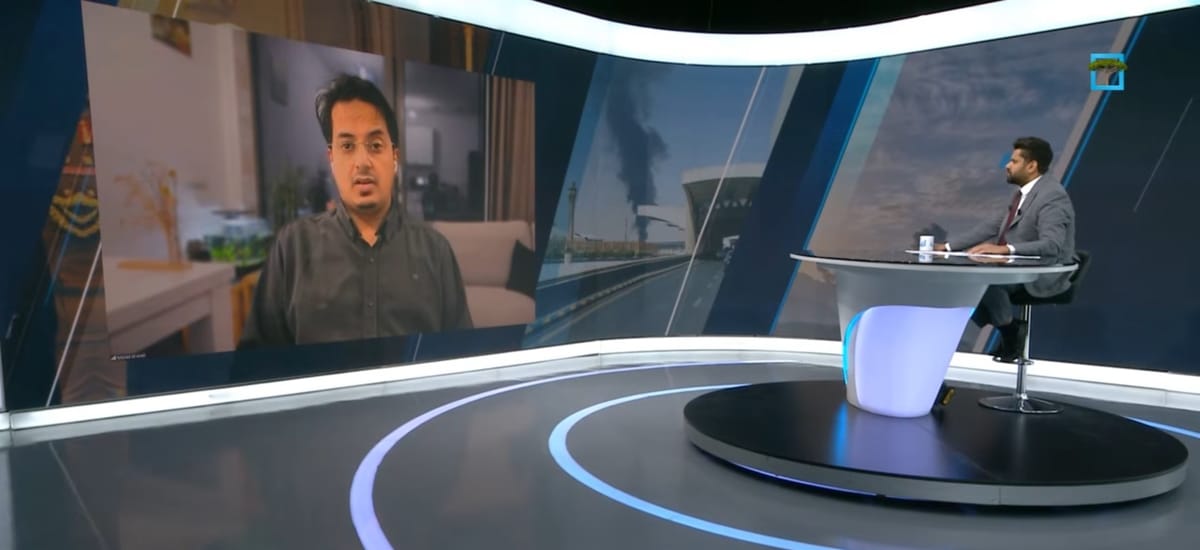
Al-Muqabala added, in a statement to the "Al-Tasi'a" program on Al-Mahriah TV, that seeking parliamentary authorization represents a transition from political statements to potential practical steps, explaining that any military action outside the borders requires constitutional cover according to procedures in Egypt.
He pointed out that Cairo might base its increased support for Saudi Arabia on the consideration that Red Sea security is part of its national security, suggesting its potential role could include strengthening air defense systems, radars, and early warning.
He noted that developments in the confrontation, if they extend to targeting Egyptian forces or naval units, could open the way for expanding Egypt's military role, including naval movements towards the western coast of Yemen and Bab-el-Mandeb.
He considered that such a move could increase pressure on the Houthi group, while also strengthening Egyptian and Saudi security interests, noting that Cairo seeks to restore its regional role amid the growing influence of other powers in the region.
Targeting Aden and the Changing Nature of the Battle
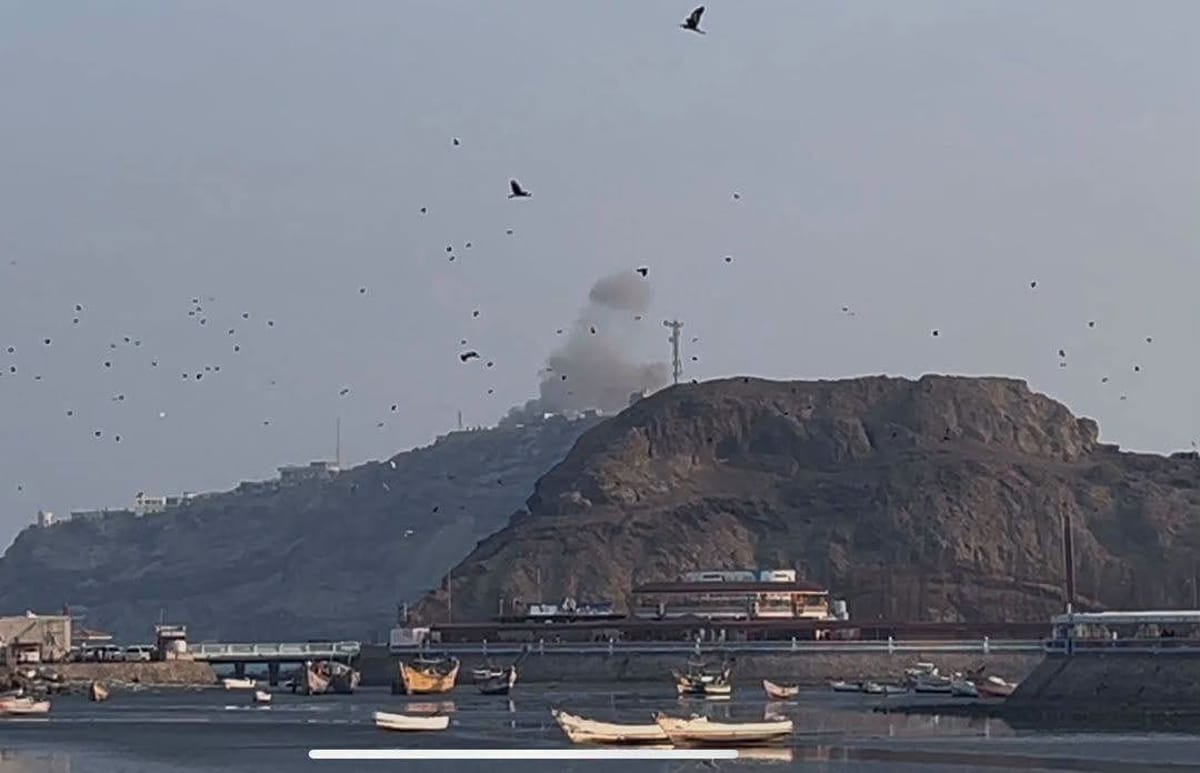
For his part, Salah Ali Salah, a researcher at the Sana'a Center for Strategic Studies, considered the Houthi group's targeting of Aden, which the Yemeni government uses as its official seat, to be the most prominent development in the recent escalation.
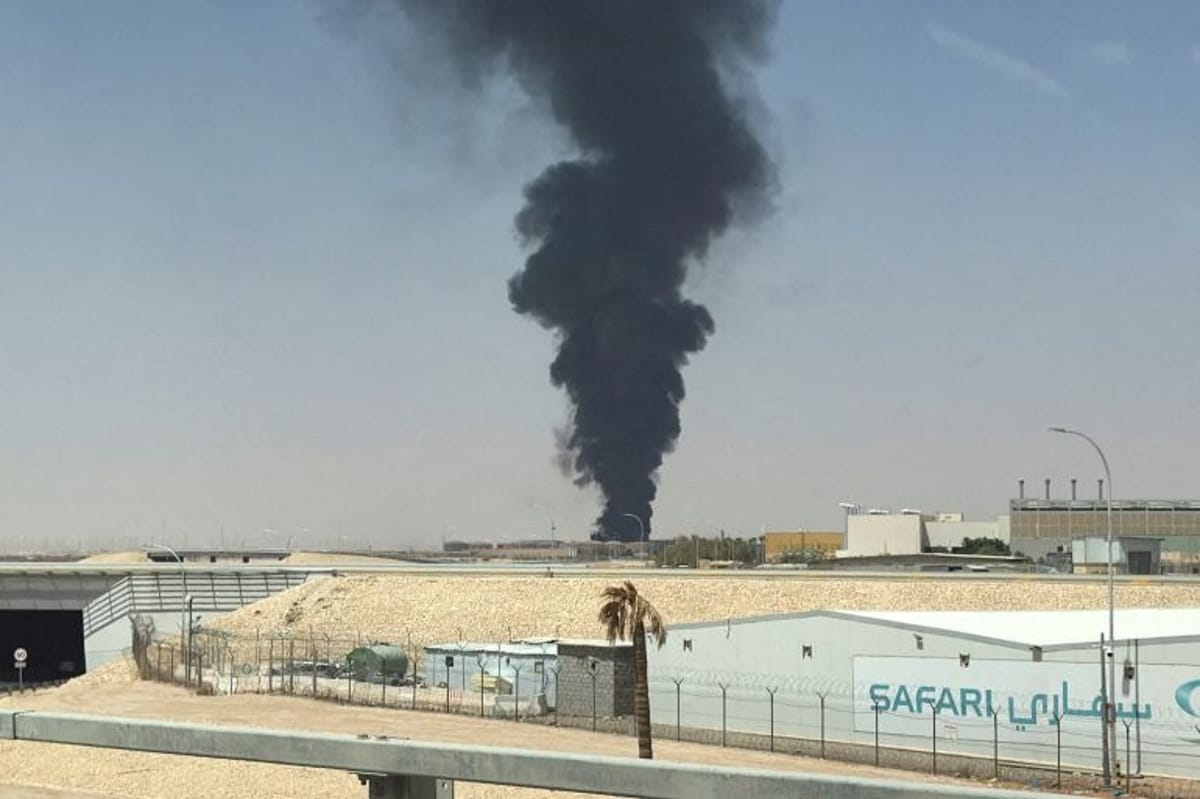
Salah said, in a statement to the "Al-Tasi'a" program on Al-Mahriah TV, that targeting Aden airport and the government's residence reflects the Houthis' desire to exert more pressure on the government and prevent the city from becoming a stable base for its operations.
He added that the nature of the confrontation has begun to shift from a phase of "finger-biting" to "bone-breaking," both between the government and the Houthis and between the group and Saudi Arabia, with the escalation moving from military fronts to vital facilities and economic interests.
He explained that the Houthis have, in his estimation, become the party initiating the escalation, starting from the western coast and Taiz to targeting vital interests in Saudi Arabia and Aden, warning that the absence of a response commensurate with the nature of the attacks could encourage the group to continue its escalation.
He predicted that tensions would continue in the coming period, stressing the need to read Yemeni developments in the context of regional and international transformations and not to separate the confrontations within the country from the broader conflict paths in the region.
Taiz Under Pressure
Regarding the military situation in Taiz, Salah noted the continuation of field resistance in the governorate's countryside, pointing out that fighters have managed to inflict losses on the Houthis, despite what he described as the decline of government control in large parts of the countryside, which puts pressure on the city from its surroundings.
He added that Taiz still has relatively good defensive lines, but he noted the difficulty in being certain of its ability to continue to hold out amid continuous attacks and increasing military pressure.
He stressed that confronting the Houthis requires comprehensive management of the battle, not allowing the group to focus on one front or party in isolation from the others, pointing out that since 2014, it has relied on escalating confrontation against a specific party while neutralizing others.
He pointed to a gap between the political rhetoric calling for integrated efforts to confront the Houthis and the field developments that allow the group to deal with each party separately.
These developments come in conjunction with escalating attacks on Yemeni fronts and growing regional interest in the security of the Red Sea and Bab-el-Mandeb, amid fears that the continued escalation could lead to a widening of the confrontation and its repercussions on regional security and international navigation.
المصدر: Al-Mahriah TV