Rice Prices Climb to a Two-Year High
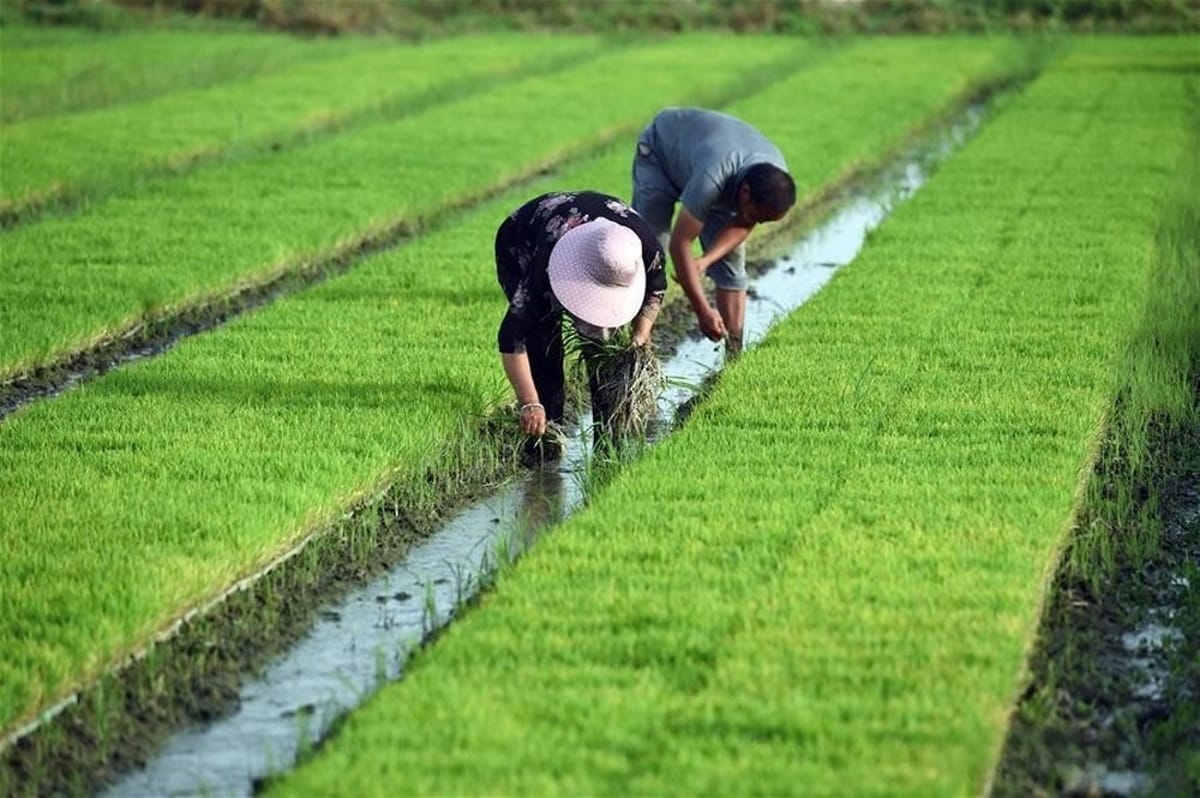
Asian rice prices have surged to a nearly two-year high, threatening to accelerate food price inflation as the El Niño weather phenomenon disrupts the production of this essential crop.
This comes as farmers across large parts of Asia continue to harvest rice, while drier-than-usual weather has become an obstacle for crops in producing countries like India, the world's largest rice exporter.
In this context, the U.S. Department of Agriculture has predicted that global rice production will decline this season for the first time in over a decade.
Concerns about declining supply have driven prices up, with the price of Thai 5% broken white rice rising to $499 per ton as of yesterday, Wednesday, its highest level since December 2024, according to the Thai Rice Exporters Association.
Rough rice futures in Chicago have surged by more than 80 percent since the beginning of the year.
These increases come at a time when prices for other major grain crops, including corn and wheat, are falling. The current El Niño phenomenon is one of the strongest on record and is associated with drier conditions in large parts of South and Southeast Asia, where more than half of the world's rice is grown.
The main risks in Thailand are concentrated on off-season crop production, which relies heavily on irrigation, according to a recent report from the U.S. Department of Agriculture's Foreign Agricultural Service.
Although it takes some time for wholesale price increases to be reflected in retail prices, signs of rising costs are already emerging in some markets.
In the Philippines, the world's largest rice importer, rice prices jumped by 21 percent in October compared to the same month last year, according to government data released on Thursday.
Rice is a staple food for millions of people across large parts of Asia, Africa, and the Middle East, making any decline in global supply a potential factor for increased pressure on food prices. The Food and Agriculture Organization of the United Nations expects a decline in global rice production during the 2026-2027 season.
المصدر: Agencies