Al-Monitor: Israeli security establishment opposes resuming attacks on Houthis

The American website "Al-Monitor" reported that the Israeli security establishment does not currently support launching a new preemptive attack on the Houthi group in Yemen, despite growing Israeli concerns about the group's capabilities and developments in the Red Sea conflict.
The site quoted a high-level Israeli intelligence source, who spoke on condition of anonymity, as saying that the current Israeli security assessment leans toward "forming a regional coalition to confront the Houthis" rather than engaging them directly militarily, while keeping the possibility of changing this position open if the situation escalates further.
According to the source, Israel is watching with concern what he described as the "collapse of the anti-Houthi Yemeni-Saudi front," in conjunction with what Israeli officials consider a development in the military and intelligence capabilities of the Iran-backed group.
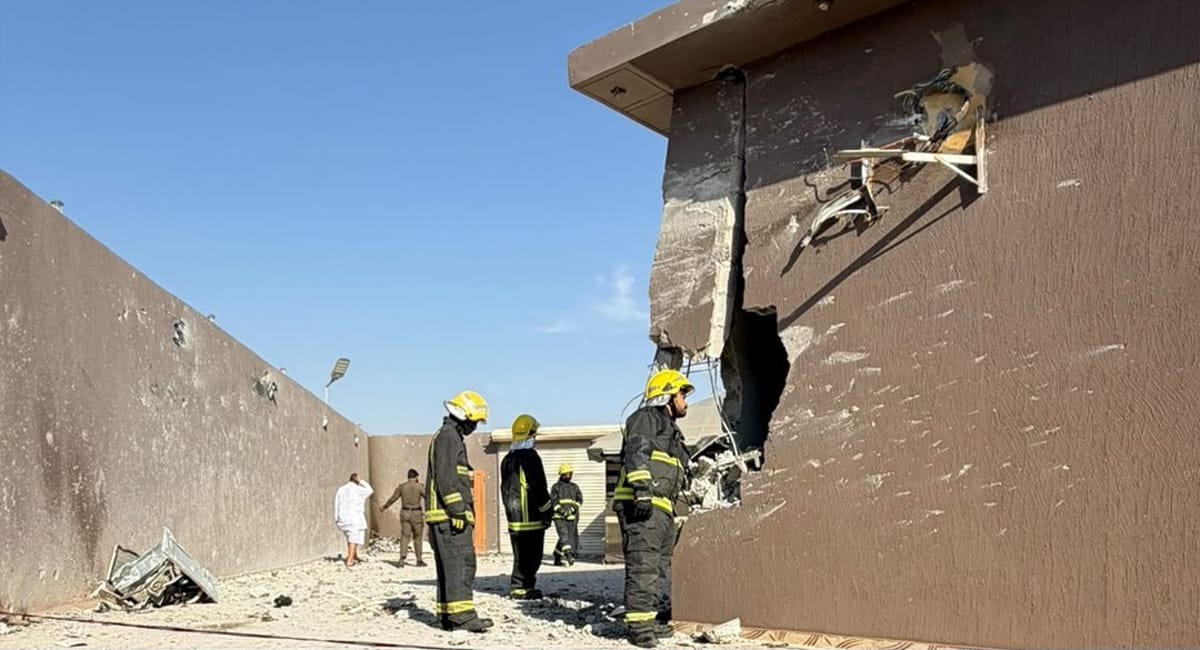
An Israeli security official told the site that the Houthis have previously been subjected to Israeli and American strikes, in addition to years of Saudi raids, but, in his assessment, they "appear stronger and improved" in their performance.
He added that the group's recent attacks have demonstrated ground and intelligence capabilities, considering them a source of concern for any party within their operational range.
The intelligence source identified three developments that could push "Israel" to reconsider its current position.
The first scenario, according to "Al-Monitor," is an "escalation of the confrontation between Iran and the United States," which could lead Tehran to direct the Houthis to target "Israel" with missiles and drones.
The source said that Israel would respond directly in this case.
He stressed that "Israel" has "no intention" at present to join the campaign against the Houthis or resume strikes on them, but noted at the same time that Tel Aviv views the group as an extension of Iranian influence, and that recent developments have reinforced the belief that they have become one of Tehran's most prominent proxies.
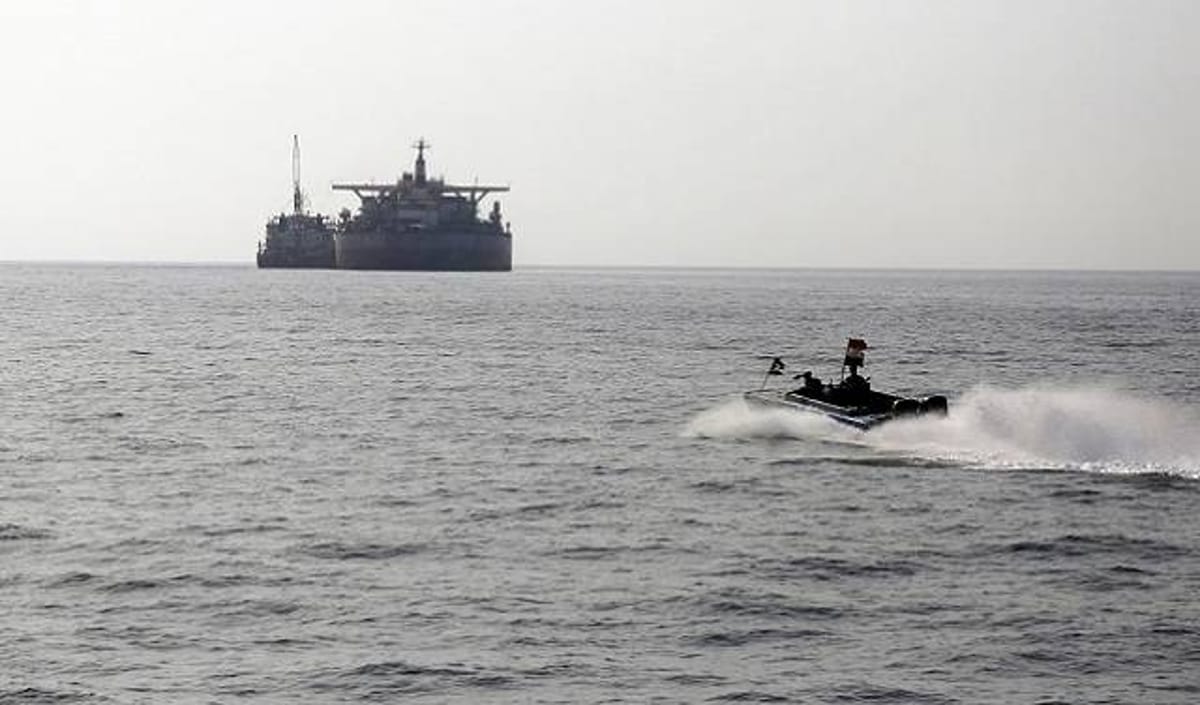
The second scenario relates to the possibility of the "Houthis tightening their control over the maritime corridors in the Red Sea and Bab al-Mandab," which a high-level Israeli diplomat said could have broad implications for international shipping traffic.
The diplomat added that "Israel" might be forced to consider engaging in the conflict if any escalation paralyzes the port of Eilat, noting that continued Houthi advances could also affect the global economy.
According to the same source, the Houthis, if they gain control of the strait, might try to impose fees on ships passing through it, which would pose a direct threat to Saudi oil shipments that use Bab al-Mandab as an alternative to the Strait of Hormuz.
The third scenario involves "Saudi Arabia requesting Israeli assistance to counter Houthi attacks."
"Al-Monitor" pointed to a report broadcast by Israel's Channel 12 on Tuesday, which spoke of talks between Saudi Arabia and Israel, under the auspices of the US Central Command, regarding providing intelligence assistance to Riyadh. Israeli officials did not comment on the report.
The site noted that Israeli interest in the Houthis has grown in recent years, especially with the expansion of their long-range attack capabilities despite the strikes they have sustained.
It quoted an Israeli intelligence source as saying that the Houthis, in his assessment, have become a party against which none of the actors involved in confronting them have a decisive deterrent capability, adding that they have become the "dark horse" in the regional scene.
Al-Monitor also quoted an Israeli political source as saying that the Houthis are transitioning from being a "local tactical problem" to a "global strategic problem." He explained that developments in the confrontation could push Saudi Arabia and Gulf states toward rapprochement with Israel for intelligence support, but could conversely lead these countries to seek greater understandings with Iran if they conclude that Tehran is still capable of making gains in the region.
The report touched on Israeli strikes that targeted Houthi sites during 2025, including the ports of Hodeidah, Ras Issa, and Salif, a power station in Ras Qanteb, in addition to an attack targeting a meeting of Houthi leaders in June of the same year.
The site quoted the Israeli security official as saying that "Israel" has, in his assessment, delivered effective strikes against the Houthis, including targeting a number of military and political leaders.
In contrast, the Israeli diplomat said that Saudi Arabia "is showing a state of panic," considering that the recent attacks have revealed, in his words, the failure of the Yemeni government and Saudi Arabia to confront Houthi capabilities, at a time when Washington, according to the report, shows no desire to re-engage in the Bab al-Mandab conflict.
المصدر: Almahriah Net + open sources